
What if there were a simple, proven way to live longer while staying confident, capable, and independent as we age? What if it also helped us feel stronger on the trail, more powerful on the bike, and more resilient in everyday life? According to decades of research, strength training is exactly that kind of game changer. And the dose is surprisingly small. Just 20 to 30 minutes, twice a week, is enough to unlock meaningful benefits.
Yet most women are still missing out. Data from the Centers for Disease Control and Prevention (CDC) shows that fewer than 27 percent of women over 18 meet recommended strength training guidelines. That number drops even further with age, even though weight training becomes more critical to health as we get older. Among women over 65, only about 17 percent regularly engage in muscle strengthening activities.
So that’s holding us back? From gym culture that can feel more intimidating than inviting, to fears about getting hurt, to the very real challenge of finding time, there are plenty of reasons many women never make it to the weight rack. The good news is that it is never too late to start. Studies show that we can get stronger even if we start in our 90s.
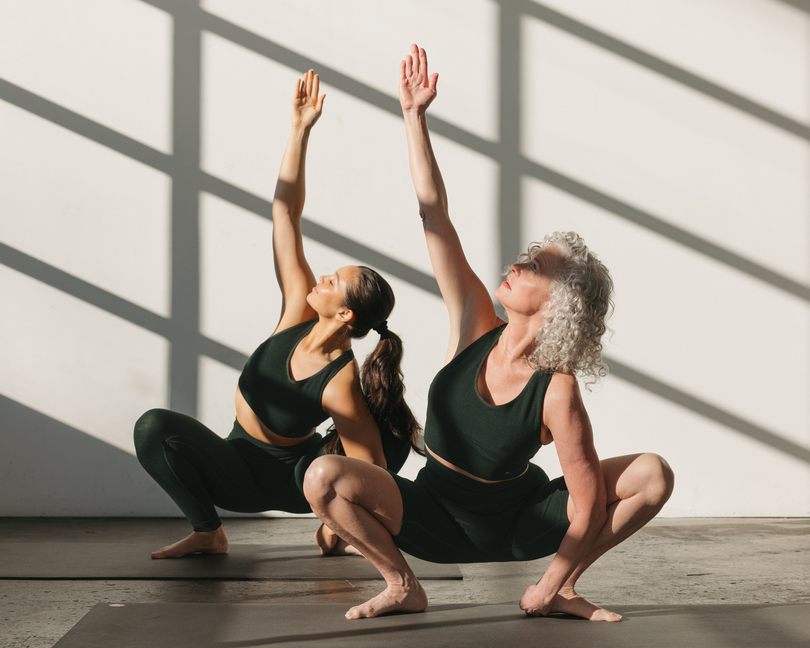
Here’s why strength training matters so much for women and how to begin right now, no matter your age or starting point. So, slip on your favorite Merino activewear, and let's get started.

Amazing Benefits of Weight Training for Women
Consider these incredible perks of strength training for women:
Build bone density.
“The physiological and hormonal changes that happen around menopause increase the risk of breaking bones, which has an impact on our independence and doing what we love as we age,” says Casey Westbrook, MS, CSCS, strength and conditioning coach for outdoor female athletes based in Central Oregon (@caseymwestbrook).
In fact, more than 40 percent of women over age 50 will suffer a fracture related to thinning bones—but it doesn’t have to be that way. Resistance training sends mechanical signals through muscles and bones that switch on bone-building pathways, increase muscle mass and strength, and ultimately stimulate new bone formation while slowing bone loss.
Support hormonal health.
“I find that my clients who lift weights during perimenopause and menopause have a much easier ride,” says Ingrid S. Clay, fitness trainer and author of The Science of HIIT (@ingridslcay). Studies have shown that resistance training can help reduce the side effects of menopause, including hot flashes and heart palpitations.
This is in part because any exercise that raises your heart rate boosts healthy estrogen levels—a hormone that declines rapidly for women in midlife. Strength training in particular can help build muscle mass. When you build and maintain muscle through weight training, your muscles release signaling molecules called myokines that help regulate hormones involved in metabolism, inflammation, and stress. More muscle also improves insulin sensitivity, which helps stabilize levels of the hormone insulin, an important factor for overall hormonal balance in perimenopause.


Reduces stress and anxiety.
Strength training can help lower stress in a few different ways: it promotes better sleep, even for chronic worriers; it prevents anxiety from spiking; and it trains our bodies to push through feelings of fear. “I always say strength training trains our bodies from the inside out,” explains Clay, who says that she relied on weight lifting to help calm her mind and focus her emotions while getting through a difficult divorce.
Improve performance in adventure and sports.
Westbrook started her athletic journey in ultramarathoning. It wasn’t until she was sidelined with chronic injury—largely due to underfueling and lack of strength—that she discovered and developed a passion for resistance training.
“We want to be playing outside, doing the challenging sports we love now but also for 30 more years, 40 more years, into our 80s or however long we want,” she says. Strength training makes that possible, she explains, by helping prevent injury and building physical resiliency and balance.
Combat muscle loss.
Starting at age 30, women begin to naturally lose about 3 to 5 percent of muscle mass per decade. By age 80, about half of women will have sarcopenia, severe age-related muscle decline. “A lot of times you see older people whose shoulders cave in—what’s really going on there is muscle decline,” says Clay. “Your muscles are what hold your body in place.”
Supports independence.
Independence lives in everyday movements: climbing stairs, getting out of a chair, reaching a shelf, or preparing a meal. These small actions are what allow us to stay in our homes, protect our confidence, and maintain our agency as we age.
“When independence declines, it can affect our will to keep going,” says Clay, who has worked with stroke patients throughout her career. She notes that strength progress often begins with simple movements like practicing getting out of a chair, and that people who move consistently regain function faster. “It’s not age that limits us—it’s lack of use.”
Live longer!
Maintaining muscle through strength training is strongly linked to longevity—who doesn’t love that? Studies show that women with greater muscle mass and strength have a lower risk of early death and disease and have better metabolic and cardiovascular health as they age. Even moderate resistance training can meaningfully extend both lifespan and healthspan.

How to Get Started
If this is motivating you to start strength training, there’s no reason to wait. Clay recommends starting small and slowly and increasing from there. Her top advice: “Be realistic and start where you are.” Consistency matters more than initial volume, so make a commitment and try to stick with it for the long haul.
Strength training doesn’t have to mean hauling heavy weights. In fact, doing so when you’re just staring out can lead to injury. “Your own body weight provides enough resistance,” says Clay, who advises starting with once a week for 20 minutes, build to twice a week for 20 minutes, and go from there. “Start with bodyweight or resistance bands and focus on big muscle groups, doing squats, deadlifts, and corework.”
“If you’re brand new, you’re going to see changes by doing bodyweight exercises, but I want to remind women that our bodies love getting stronger. If you want to continue getting the benefits, you're gonna need to advance to heavier weights,” says Westbrook. If you feel yourself getting stronger, she advises picking up dumbbells rather than relying on machines: “I find, especially for outdoor athletes, that dumbbells help mimic the control we need to have over our bodies rather than machines, which guide the motion.”
Both Clay and Westbrook say that for anyone starting out, booking a few sessions with a coach (either private or in a small group) can be very helpful. “Learning good form and technique can set you up for success in the long term,” says Clay. No matter what resistance training looks like for you, strength is what allows us to stay out there—on the trail, on the bike, and in our bodies—for years to come.
What to Wear While Strength Training
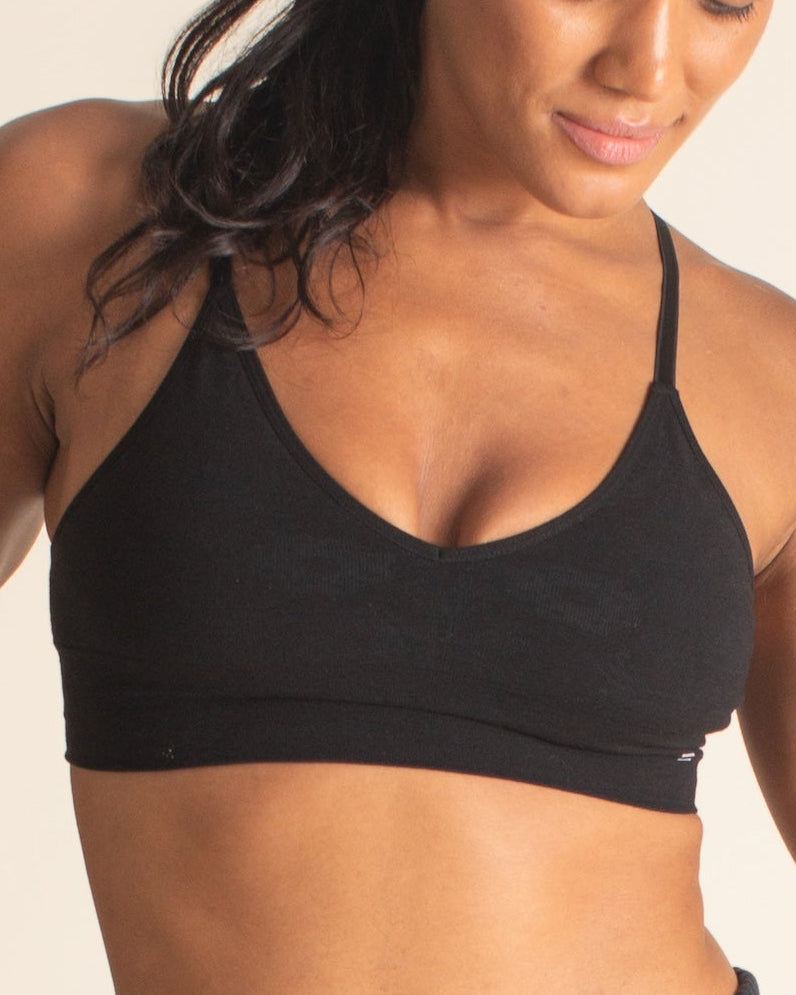
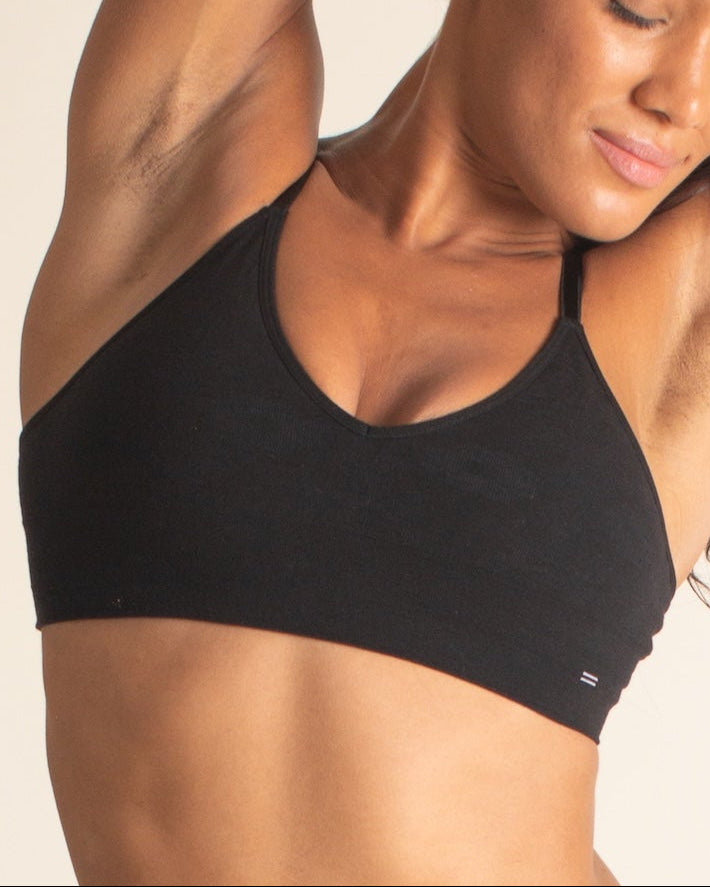
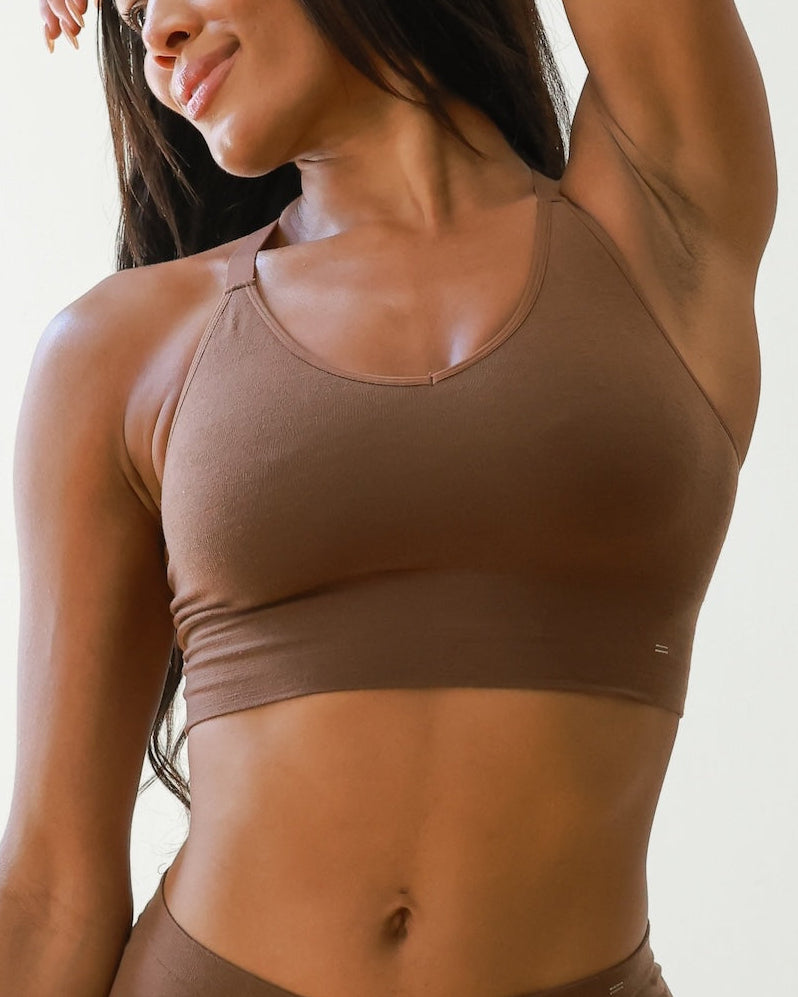
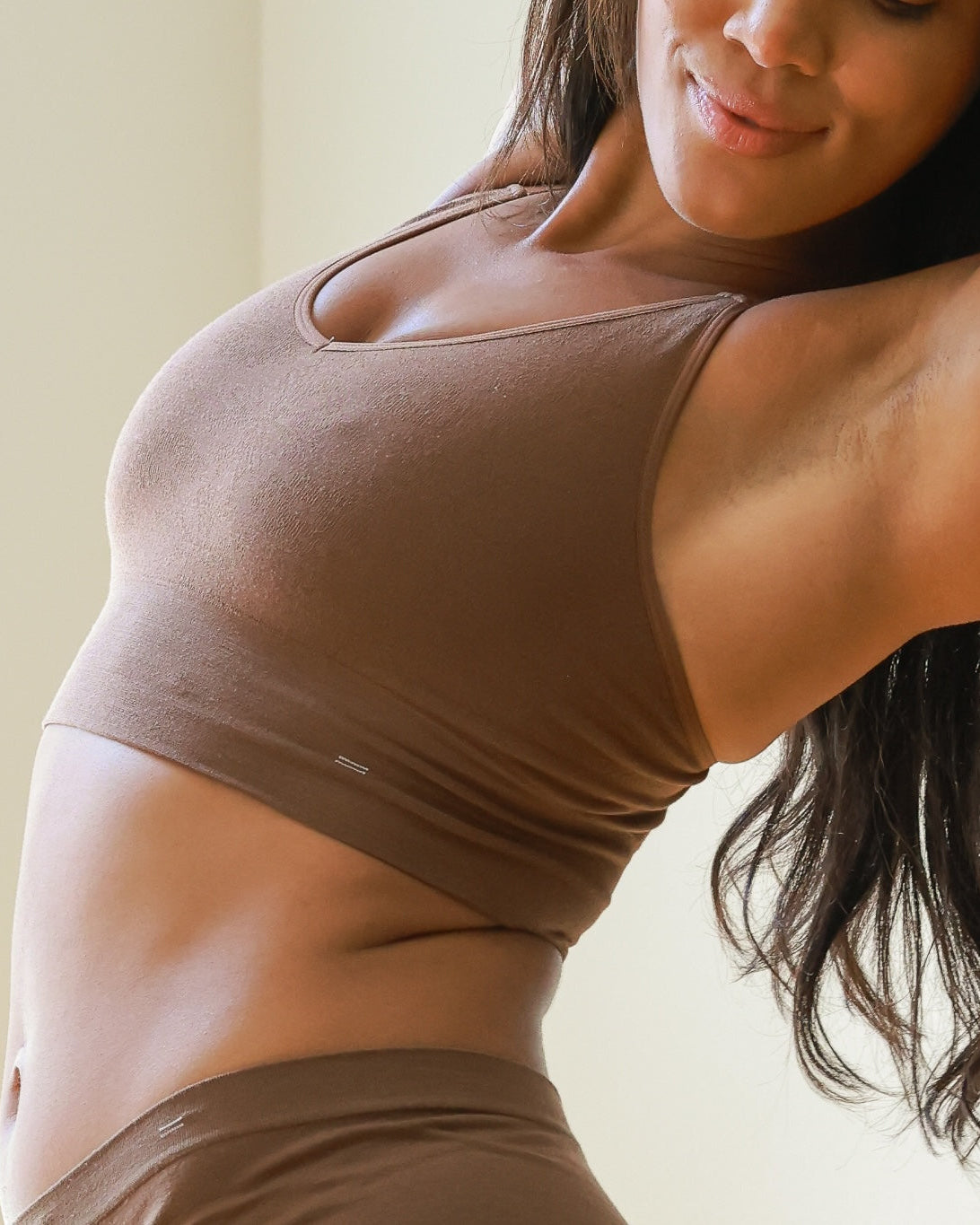
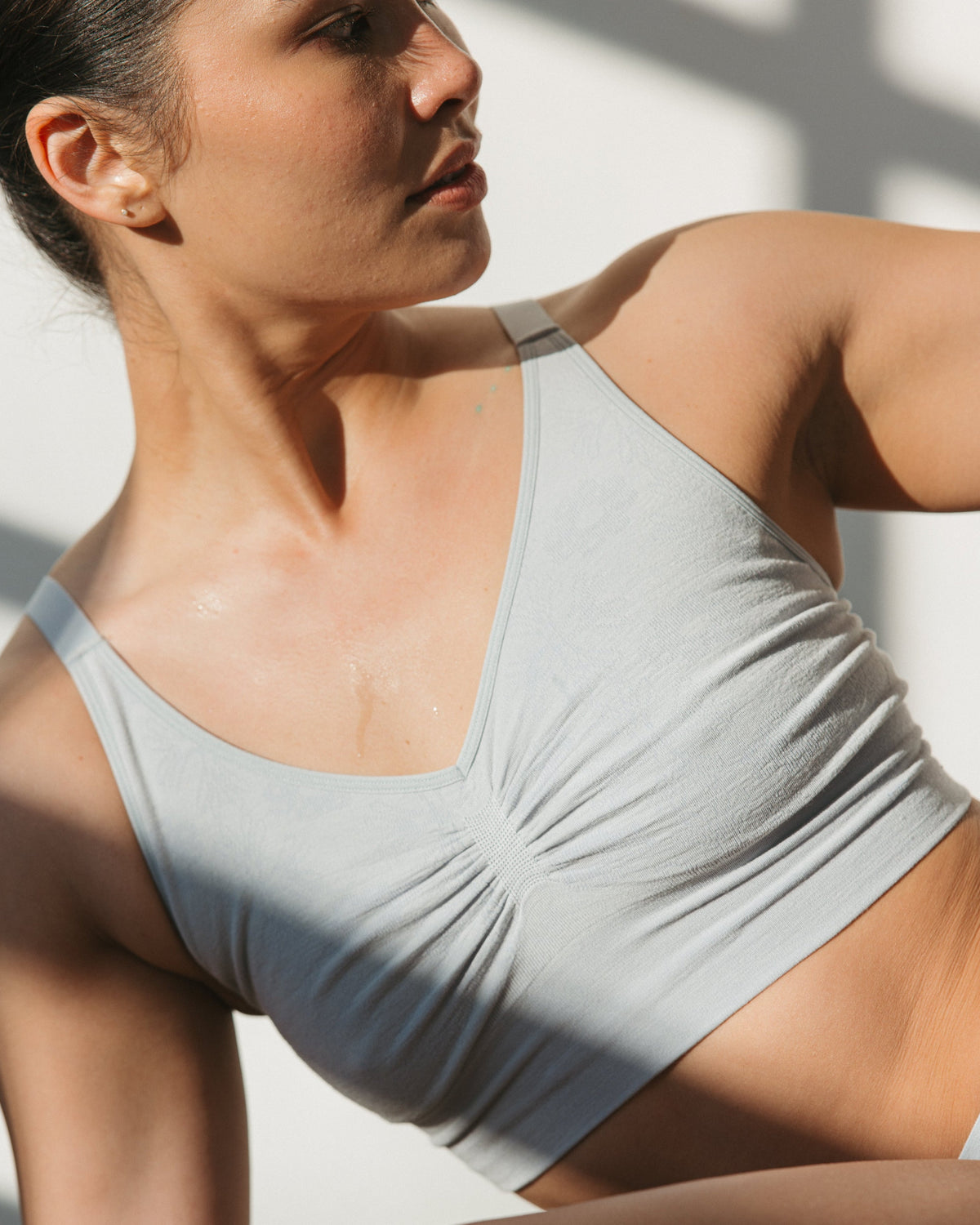
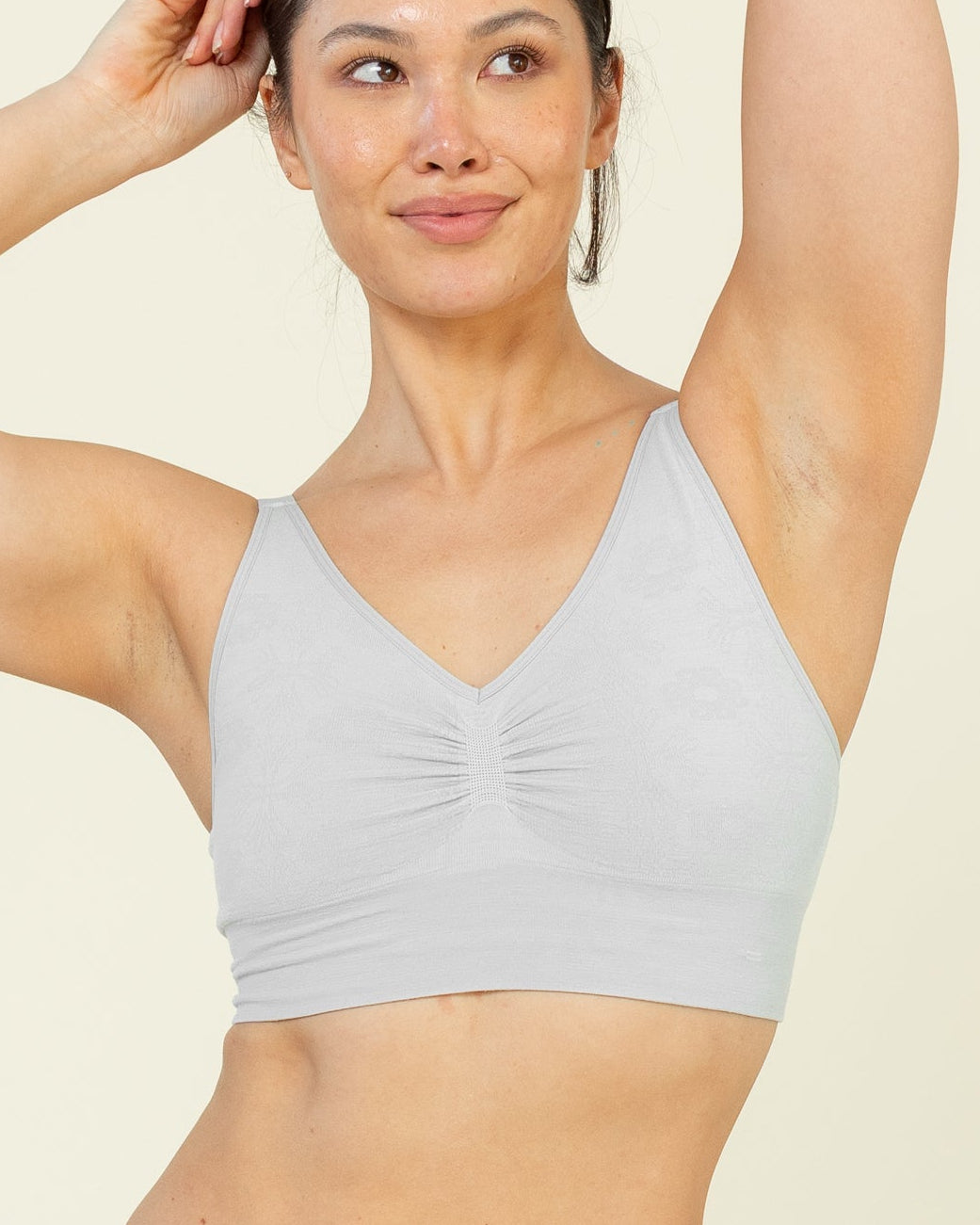
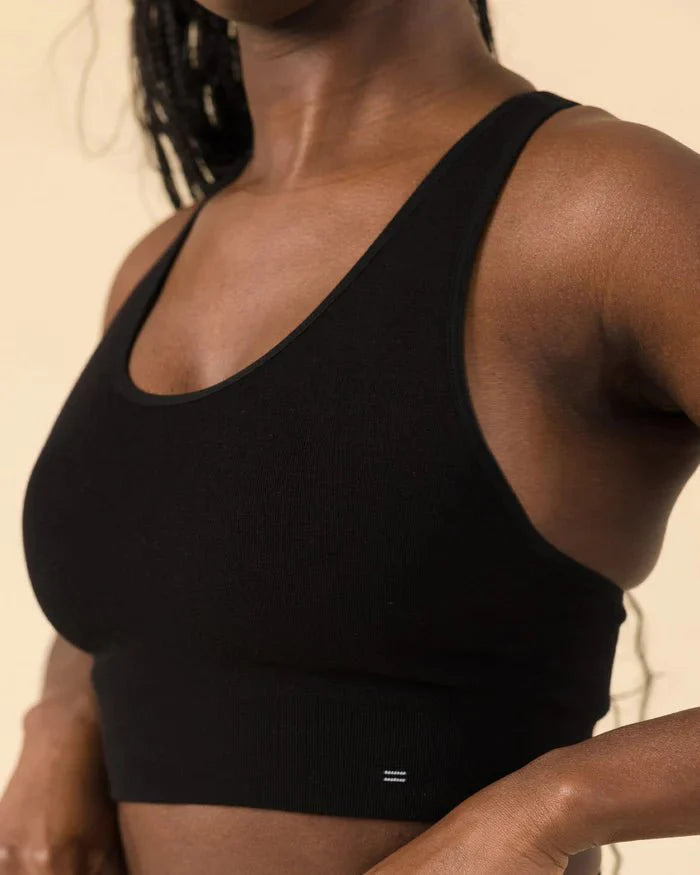
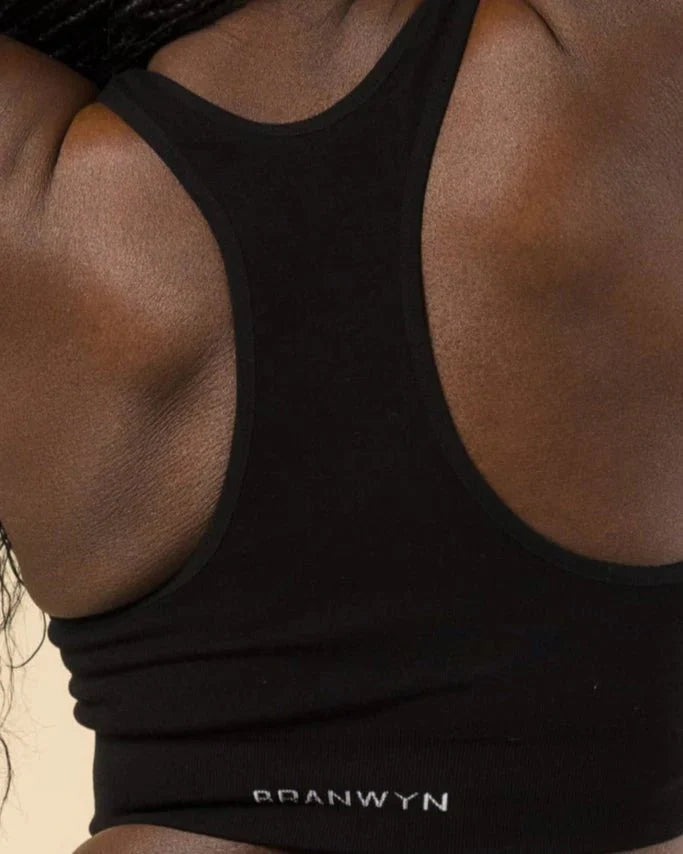
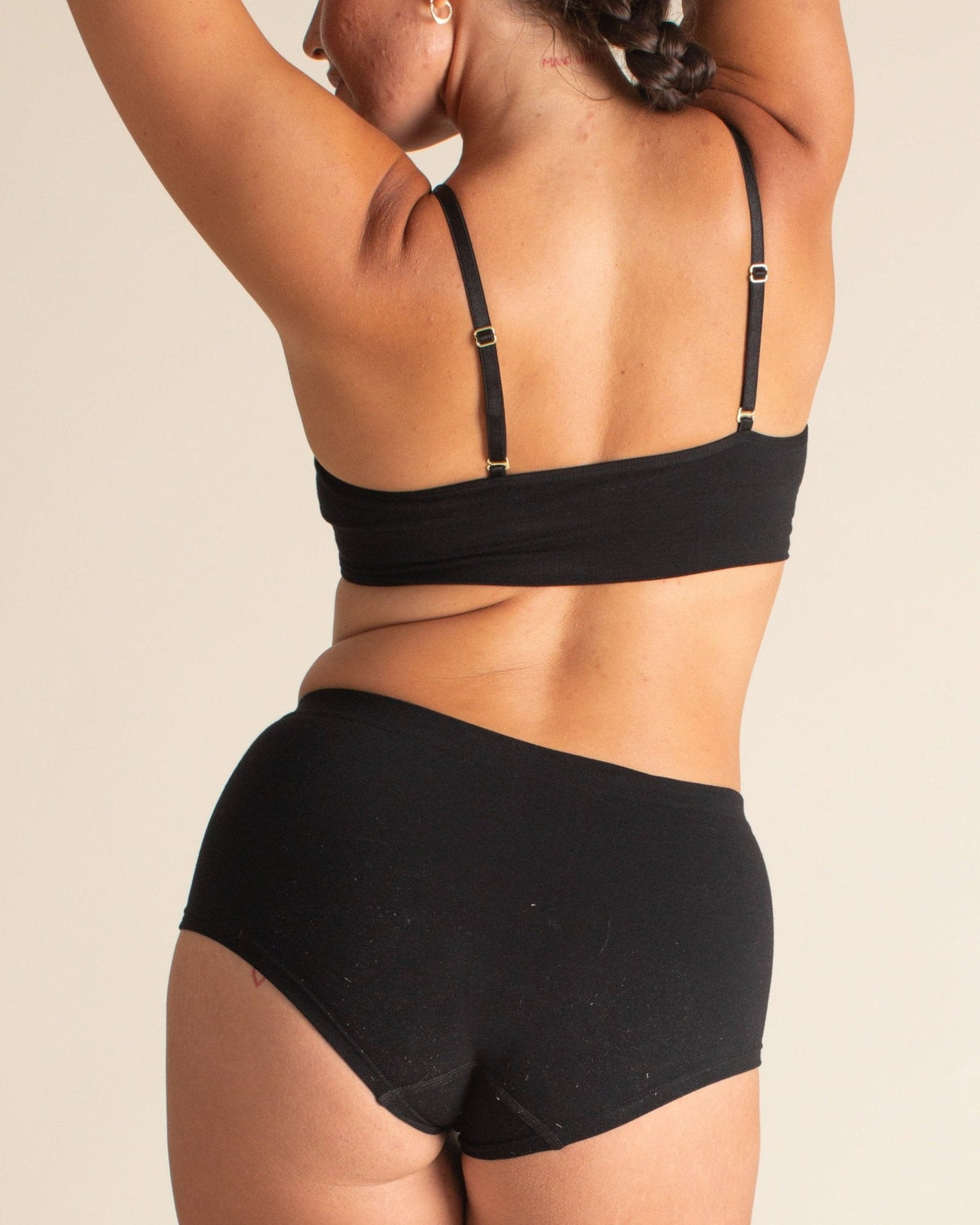
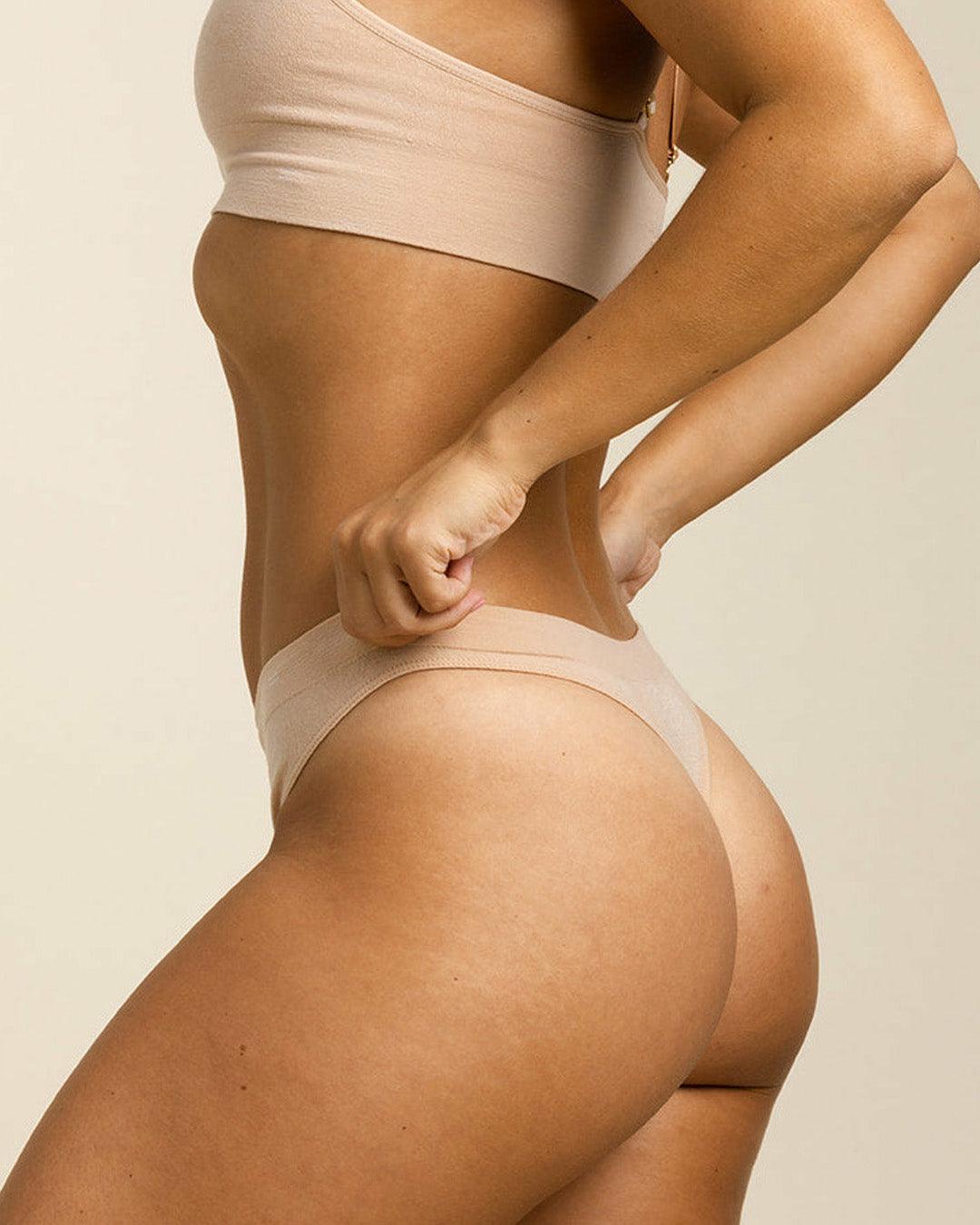
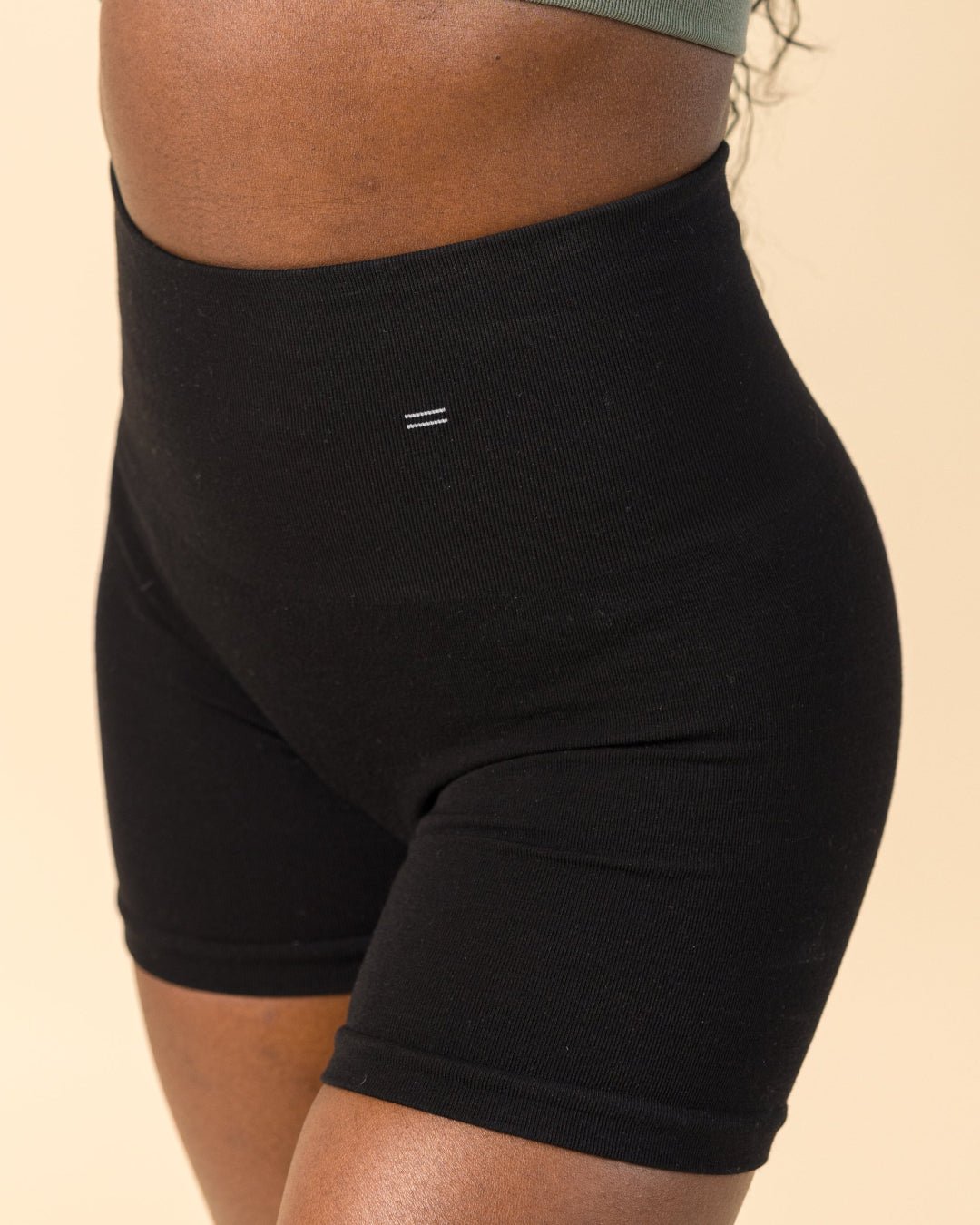
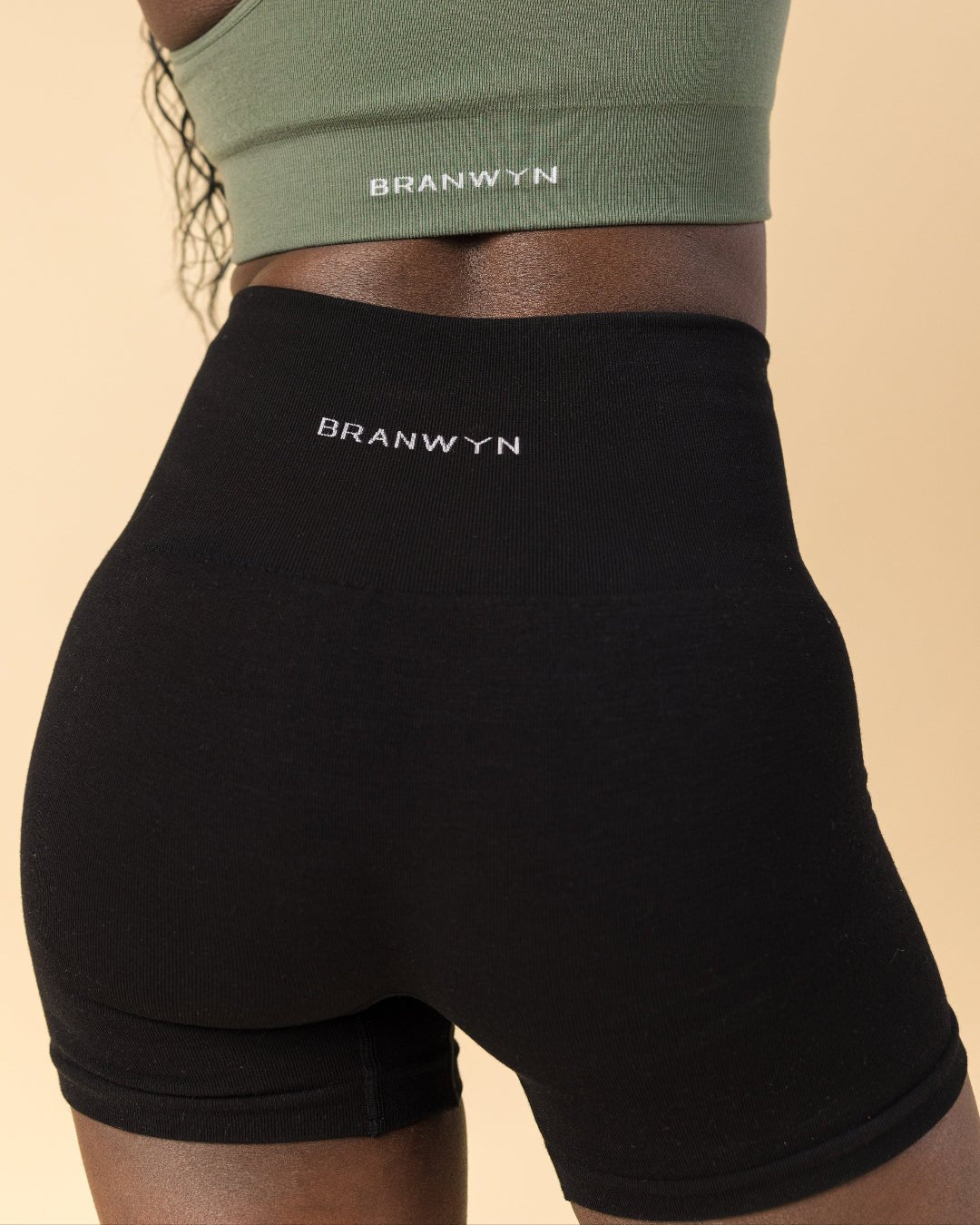
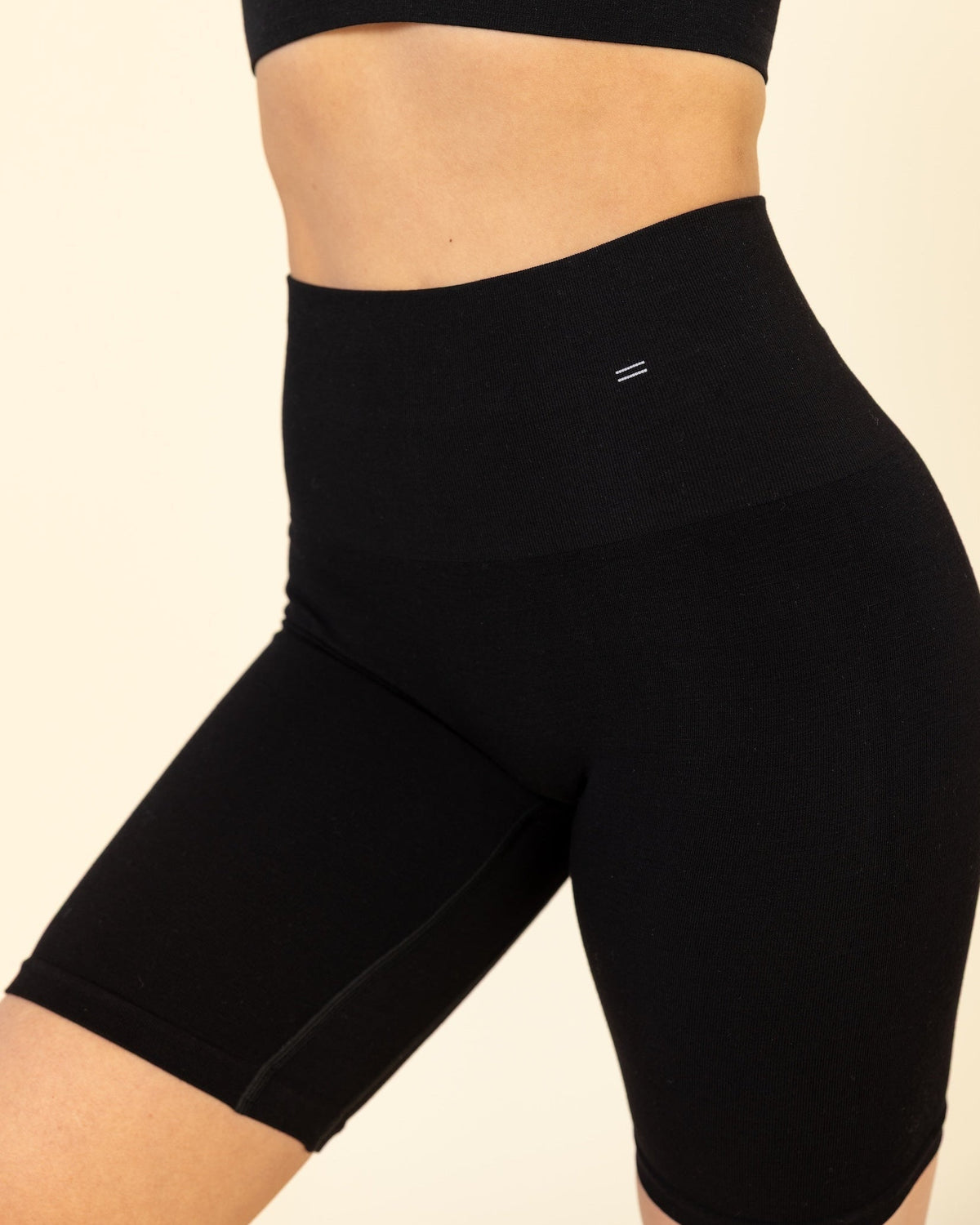
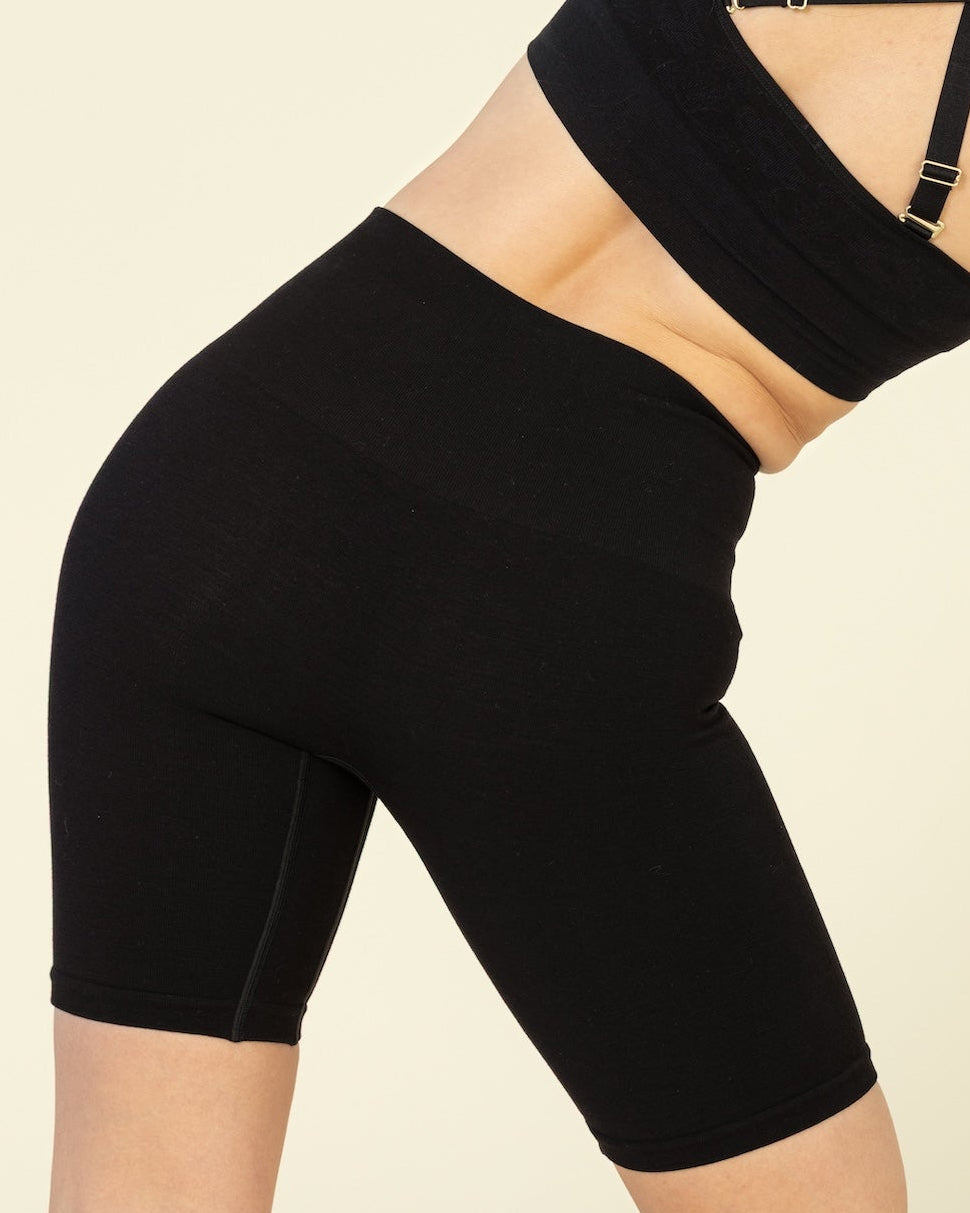
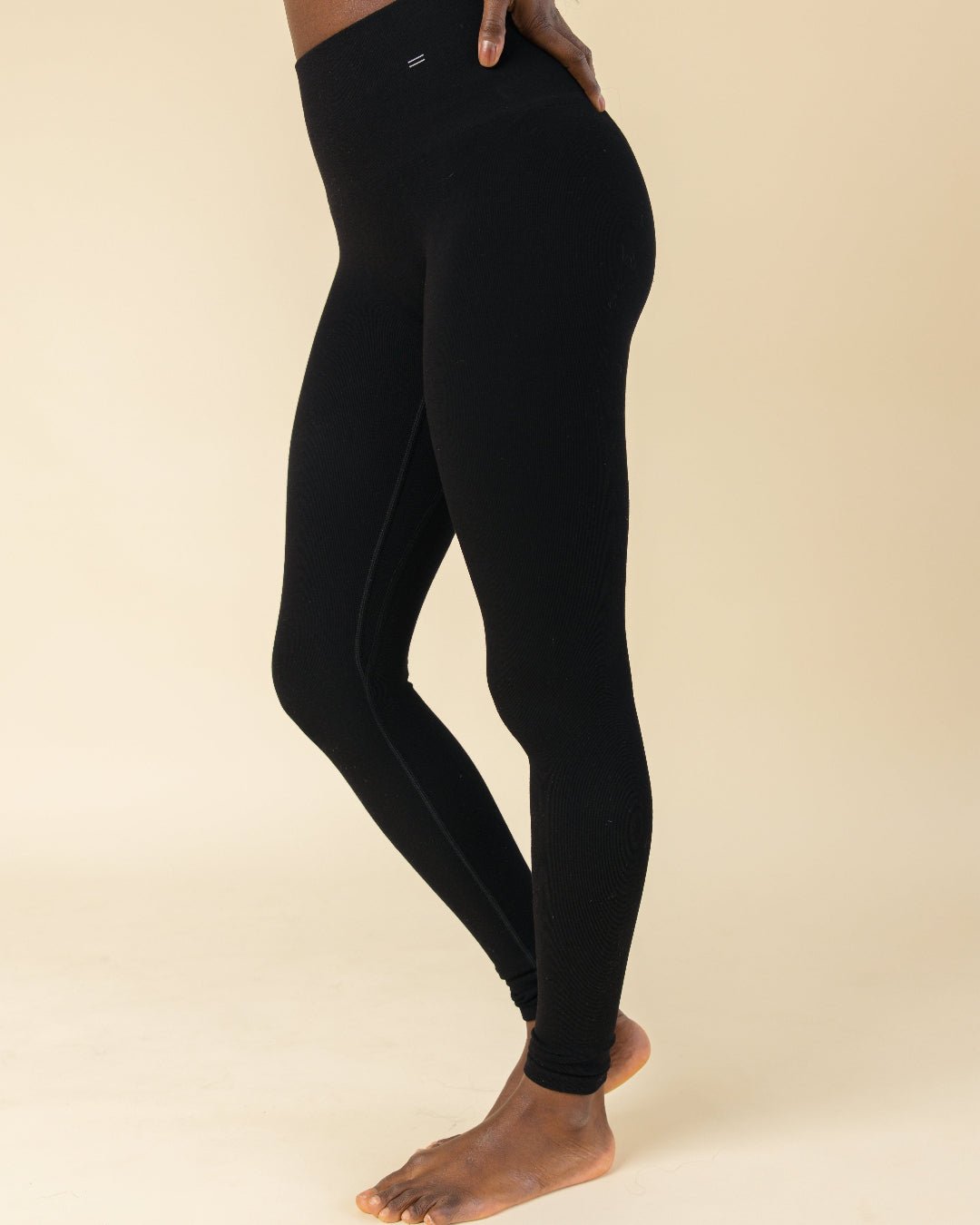
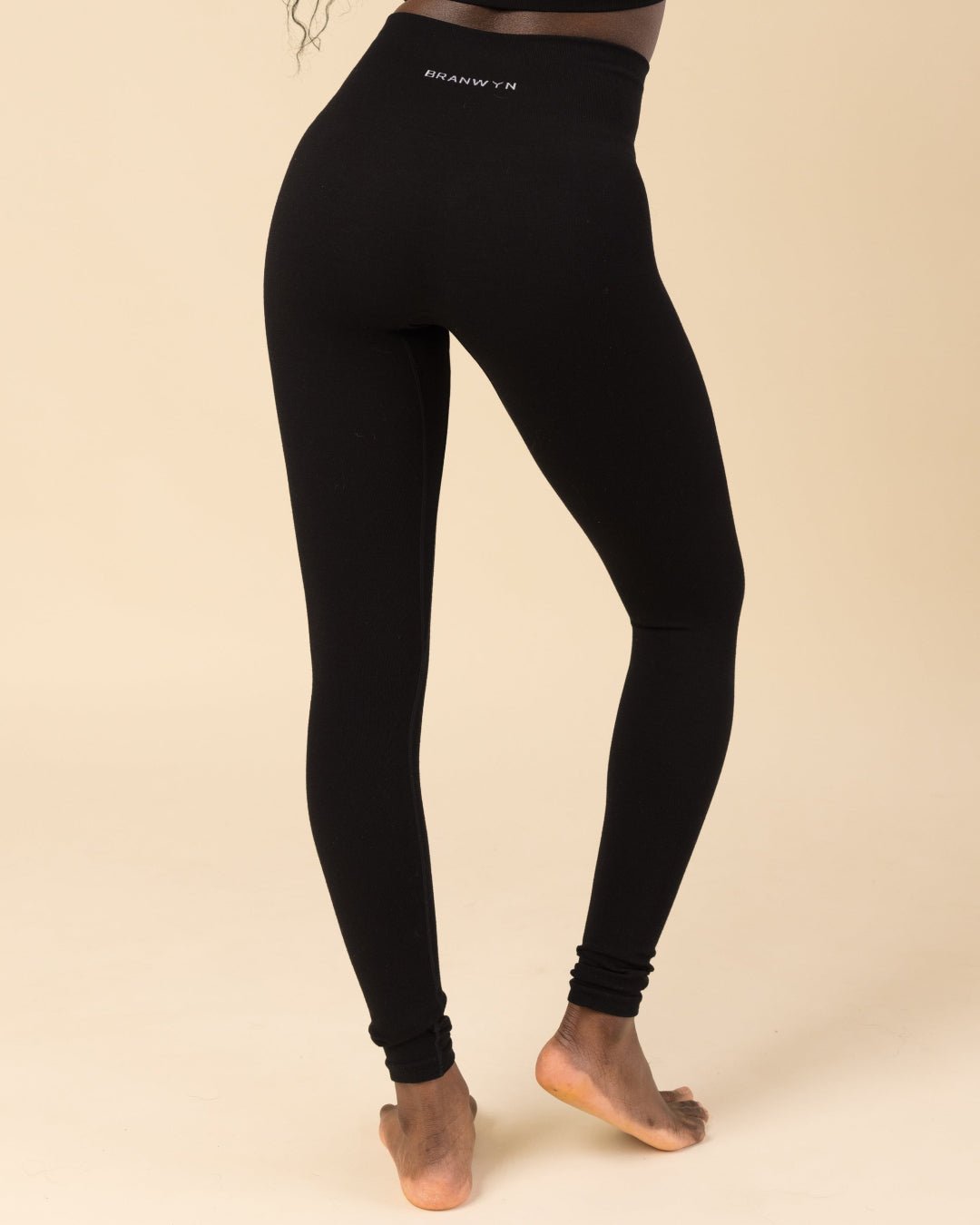
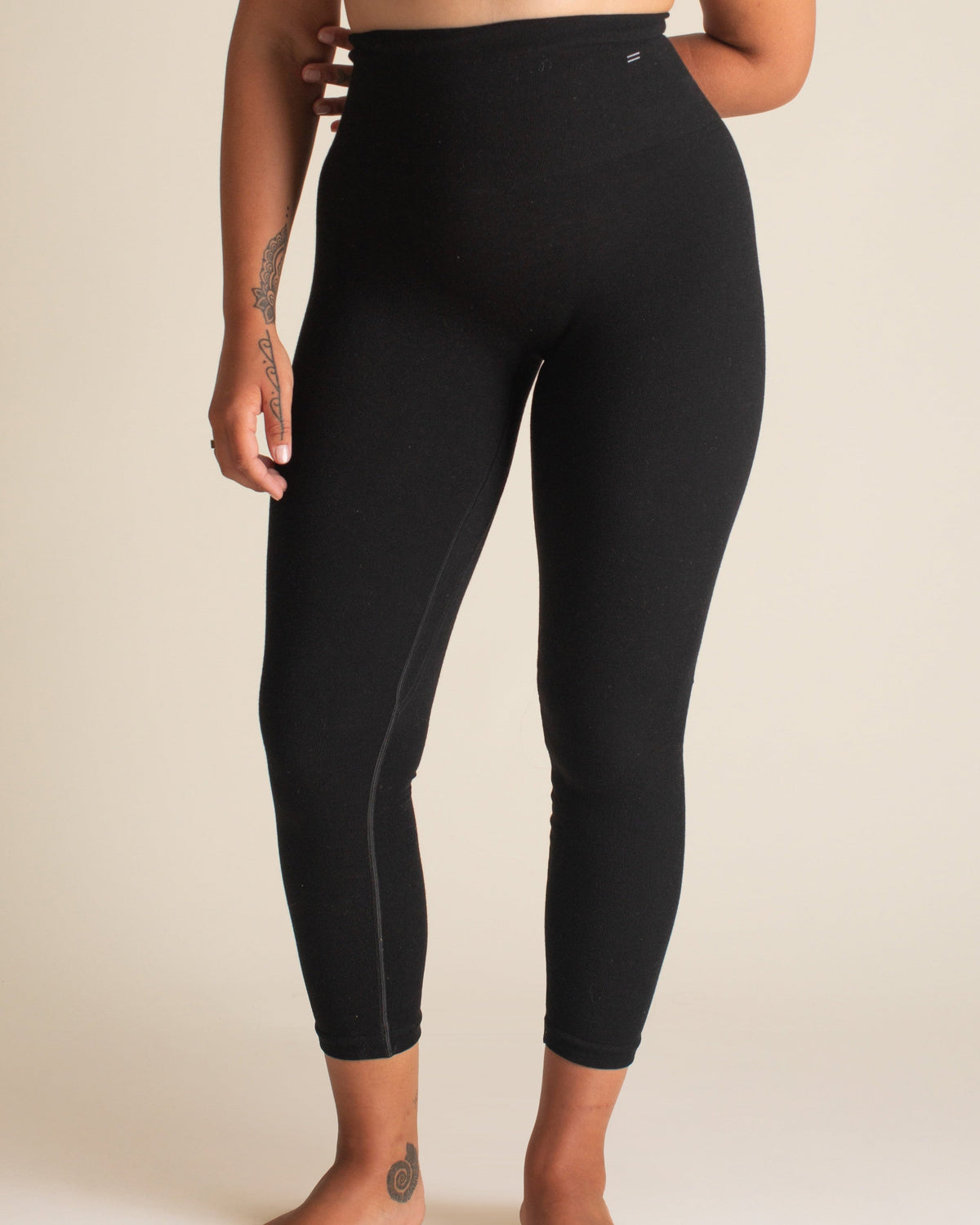
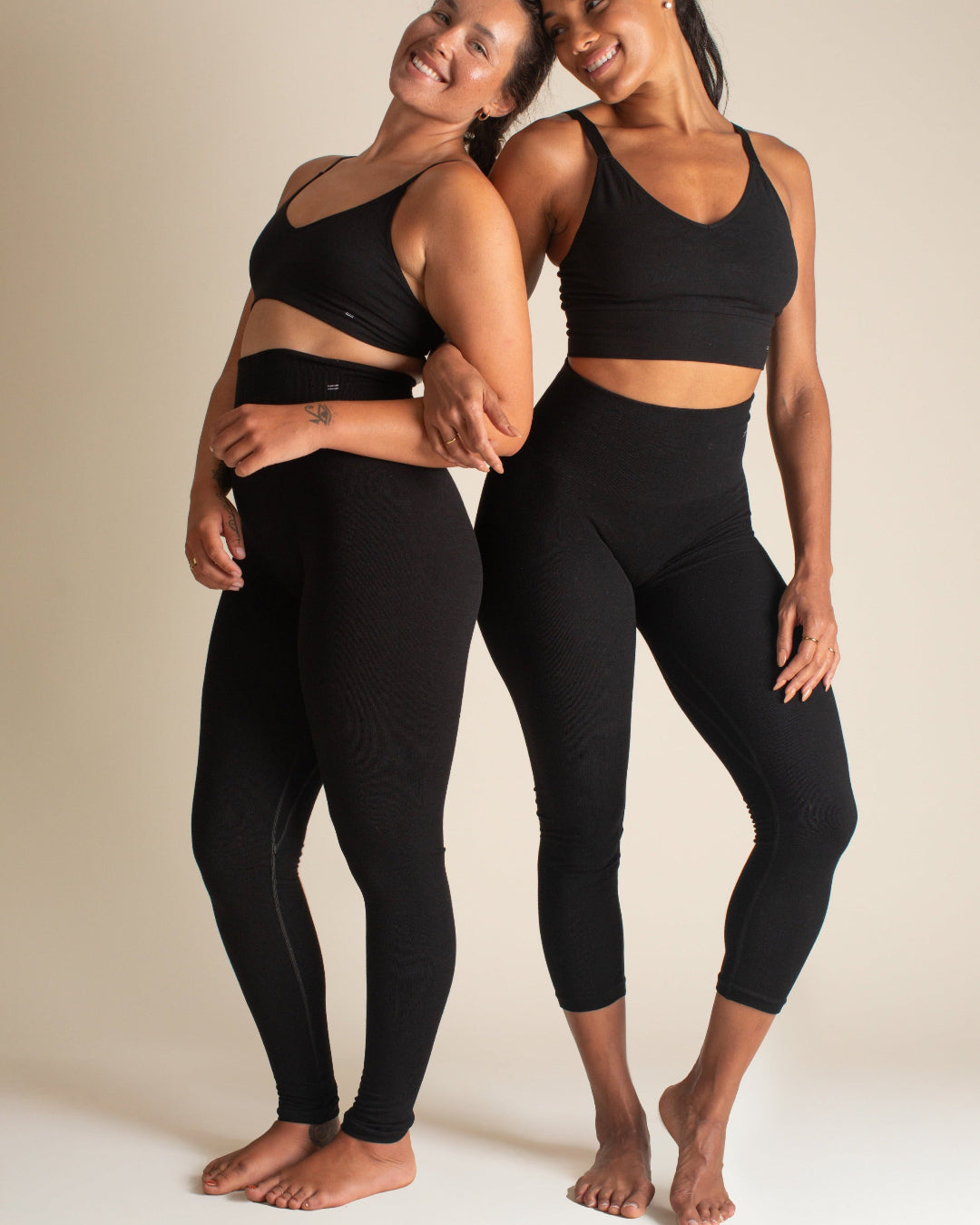
Whether you are headed to the gym or starting at home, make sure to begin your fitness journey in activewear that makes you feel comfortable and confident. For medium impact activities like lifting weights and gym exercises, we suggest our Merino Racerback Sports Bra and Merino Compressive Leggings, or Merino shorts. No matter what you wear, make sure it is comfortable and easy to move in.
We want to know—if you strength train, what does this bring to your life? What do you wish other women knew about its benefits? Hit us up anytime at @branwynoffical on Instagram or info@branwyn.com.