
When we think of Olympic uniforms, cutting-edge technologies often come to mind: Futuristic carbon-plated shoes, 3D-printed speed suits built for optimal aerodynamics. However, for the most recent Olympic cycles, including the 2026 Winter Olympics, the go-to material for the official uniforms has been made from one of the earth’s oldest textiles: sheep’s wool.
For the official uniforms of Team USA, worn in both the opening and closing ceremonies, Ralph Lauren sources its materials for coats, mittens, pants, and hats from Shaniko Wool. The wool supplier, based in Shaniko, Ore., and founded by Jeanne Carver is committed to raising sheep and sourcing wool in the most sustainable way possible. In fact, she’s part of a multi-year research project to prove that wool, when cultivated correctly, can be carbon neutral or even carbon negative. (At BRANWYN, we are also committed to sourcing sustainable, ethical wool, sourcing our ZQRX Merino wool through The New Zealand Merino Company).

Ceremony outfits are designed to make a statement, but they also have to perform. As one athlete noted, “A lot of times people forget that even though it’s the opening ceremony, it’s… really cold.” In that context, full-wool ensembles are more than symbolic. They nod to the roots of winter sport, when the first alpine competition uniforms were made entirely of wool, while also pointing forward. Thanks to its natural thermoregulation, moisture management, and durability, many industry experts believe wool is also the performance fabric of the future for the Winter Games.

History of Women Wearing Wool at the Olympics
Women first began competing in the winter Olympics in 1924, with 11 athletes competing in figure skating only. Thanks to the hard work of women around the world, more than 1,300 will represent their country at the 2026 games—that’s 47% percent of all competitors, making this year’s Olympics the most gender-balanced in history.
The earliest athletes, like the 1924 figure skaters Herma Szabo (Austria) and Sonja Henie (Norway), wore predominantly wool clothing: short coats, full skirts, and tights for twirling around the ice while staying warm and dry. Wool continued to reign supreme as a performance fabric for decades with athletes, including Andrea Mead Lawrence (the first American skier to win gold at just 15 years old) and Brynhild Grasmoen (California-born alpine skier who competed in the 1948 Olympics in Utah) donning thick wool sweaters and wool pants to cruise down the mountain.
The plastic boom in the 1950s saw a number of competitors switch to synthetic fabrics, but recently with increased awareness around the dangers of microplastics and a renewed appreciation for the natural performance benefits of wool, many athletes have been drawn back to the OG winter sports fiber.
In 2026, a number of athletes have taken to wearing their own woolen creations during and after competition. In her epic runs that garnered the first Olympic downhill gold for an American in 16 years, Breezy Johnson wore a bright blue wool headband she knitted herself. American cross-country skiers Jessie Diggins and Julia Kern have also spoken of their love of making their own woolen sweaters and hats.

What’s more, in a recent interview Susan Sokolowski, Ph.D., one of the most predominant innovators in performance sports goods said that her hope for the future of the industry was a return to more sustainable materials. With 30-plus years of experience designing sports apparel, recognition from the U.S. Olympic Committee and more than 100 design patents under her belt, Sokolowski has long been at the forefront of apparel innovation. “Synthetics are terrible for the environment,” she says. “How can we look back to uniforms worn in the 1924 Olympics with natural fibers while still enhancing performance? Merino wool, for instance, wicks moisture and regulates temperature very well.”
Why Merino Wool Is an Exceptional Choice for Winter Sports
Merino wool is proof that the best solutions aren’t always engineered in a lab. Just like the feathers of a bird or our very own eyes, humans just can’t replicate what thousands of years of nature by way of sheep have been able to design. Here’s what makes Merino wool so uniquely perfect for cold-weather sports:
Temperature Regulation
Merino wool is naturally thermoregulating, meaning it keeps us warm when we’re cold and cool when we’re hot. Its crimped fiber structure traps air for insulation in frigid conditions while still allowing excess heat to escape during high-output efforts like cross-country skiing or downhill racing.
Moisture Management
Unlike many fabrics that simply move sweat across the surface, wool can absorb up to 30% of its weight in moisture vapor without feeling wet. It pulls perspiration away from the skin, helping athletes stay dry and comfortable even in subzero temperatures. Importantly, wool continues to insulate when “damp,” something early figure skaters and alpine racers depended on.
Breathability Without the Chill
Winter athletes don’t just battle cold; they battle the freeze that follows sweat. Wool’s ability to release moisture gradually reduces that clammy, post-run chill that can sap energy between heats or training sessions.
Odor Resistance
Wool’s natural antimicrobial properties limit odor-causing bacteria, which means fewer washes and longer wear. Studies show that wool socks, for instance, can be worn for days at a time without creating a detectable smell.
Stop-Go Comfort
In winter sports, especially, athletes can go from intense exertion to stillness in minutes. Think about a ski racer. They might go from an all-out effort—and the internal heat and sweat-rate that comes with it—to a standstill in freezing temps while waiting for their next run and back again multiple times over the course of a day. A recent study from North Carolina State University found that wool is a top choice for “stop go” athletes thanks to its ability to keep them comfortable both while sweating and when sweat evaporates during rest. Take a look at how wool performs next to other fabrics in the “rest phase.”

Sustainability
As conversations around microplastics and textile waste grow louder, wool offers a biodegradable, renewable alternative to synthetics. It sheds no plastic fibers into waterways, no microplastics or forever chemicals into our bodies, and returns to the earth at the end of its life cycle. For athletes and designers thinking about the future of sport, that matters.
At BRANWYN, we’re wild about Merino wool—for its sustainability and its unmatched performance. Every natural fiber has its strengths, but when it comes to performance in motion and in the elements, Merino stands alone. The graph above shows how it outperforms cotton, but you probably already know that if you’ve ever worked out in a cotton shirt on a cold day.
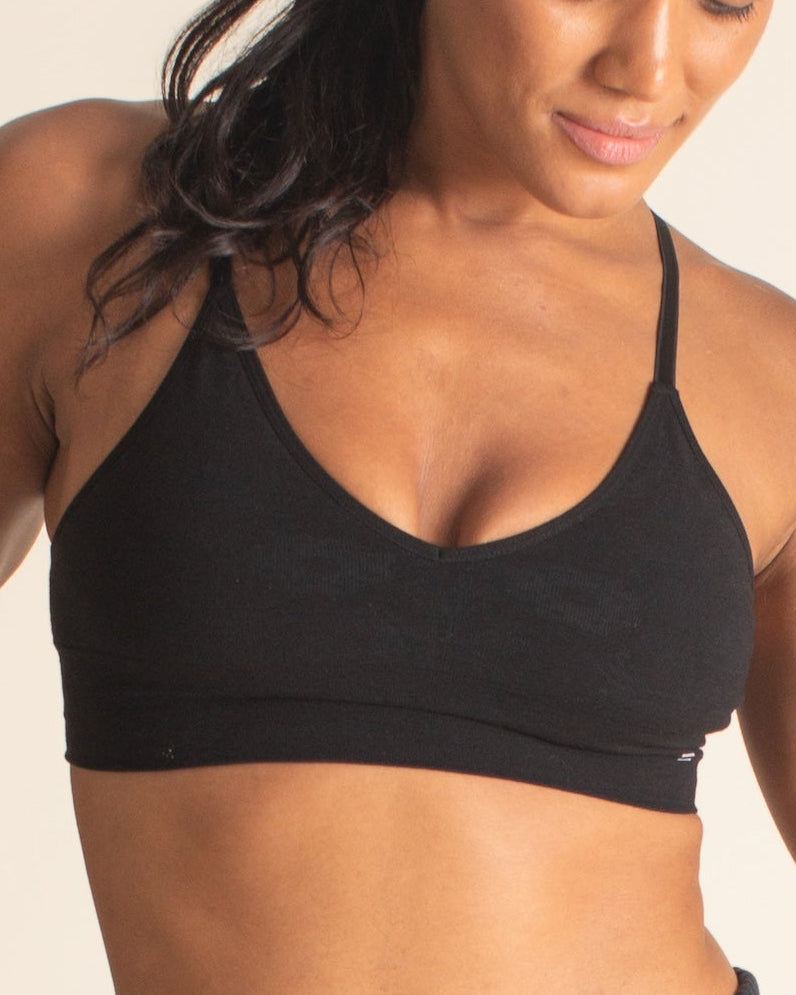
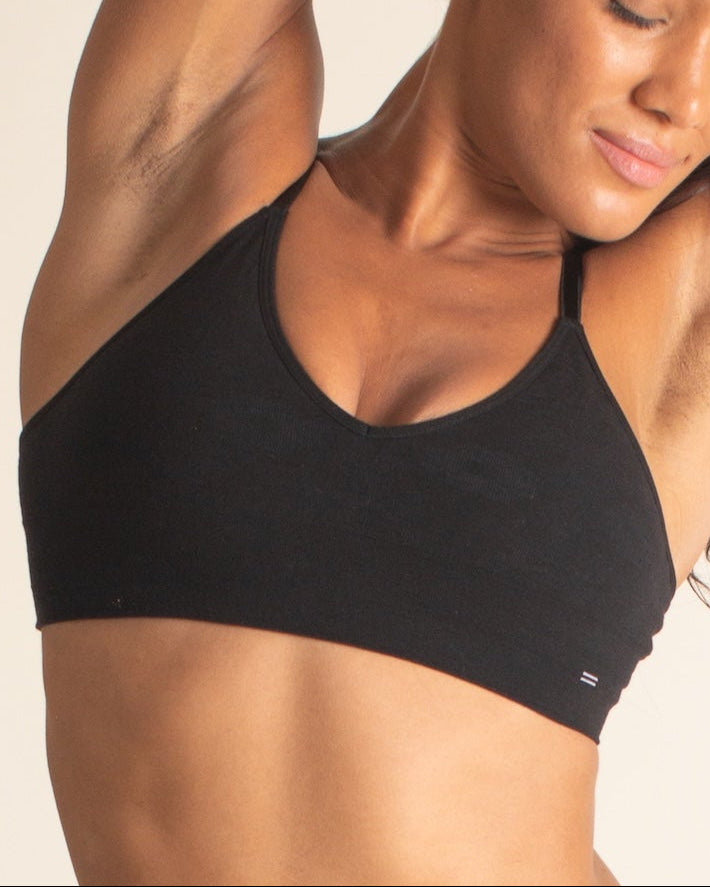
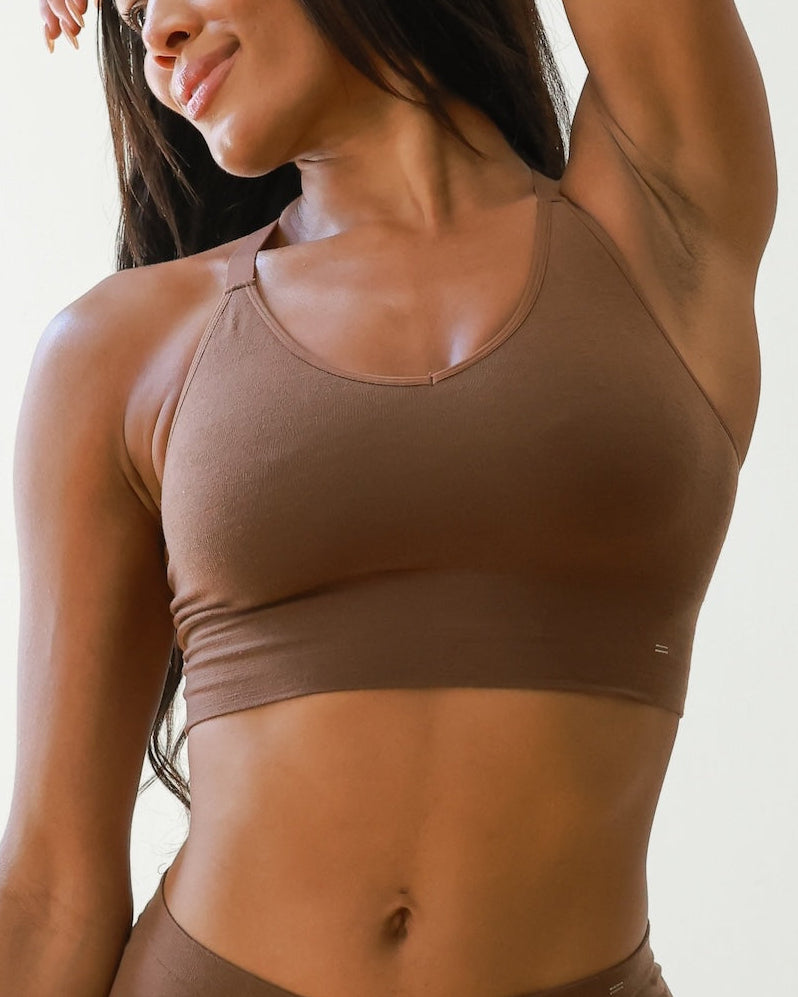
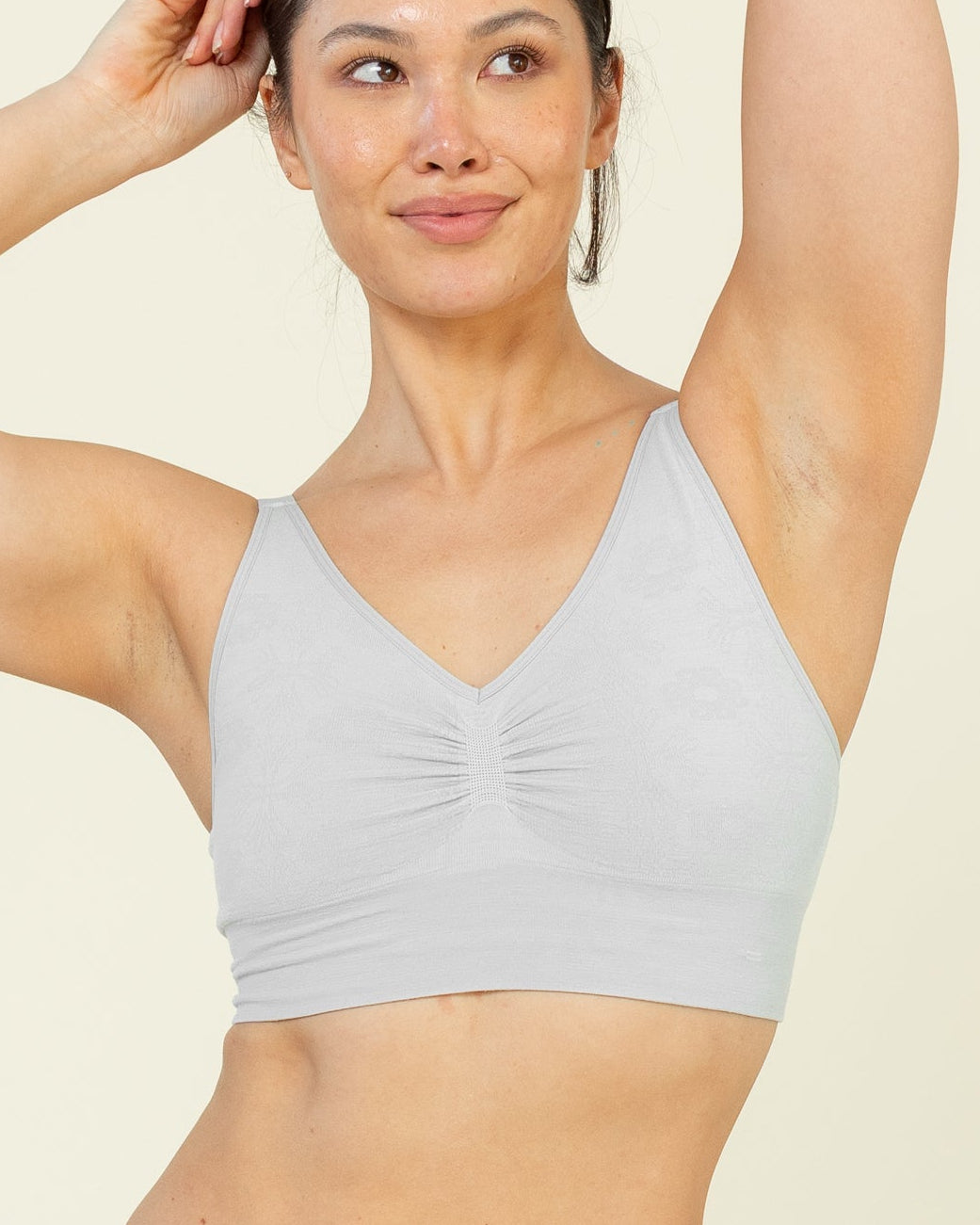
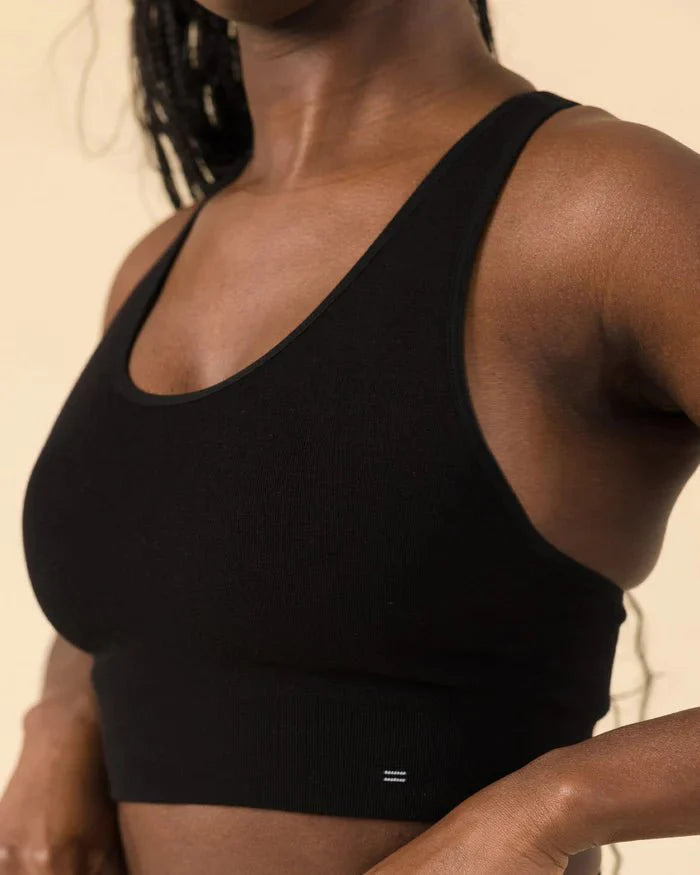
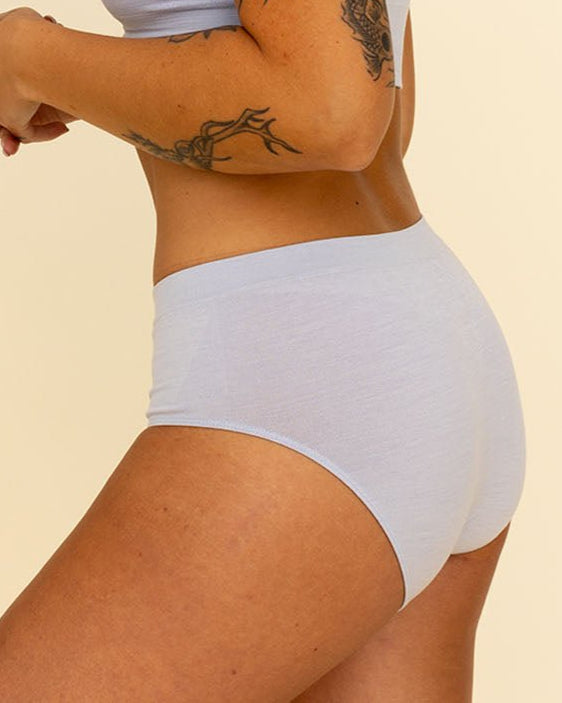
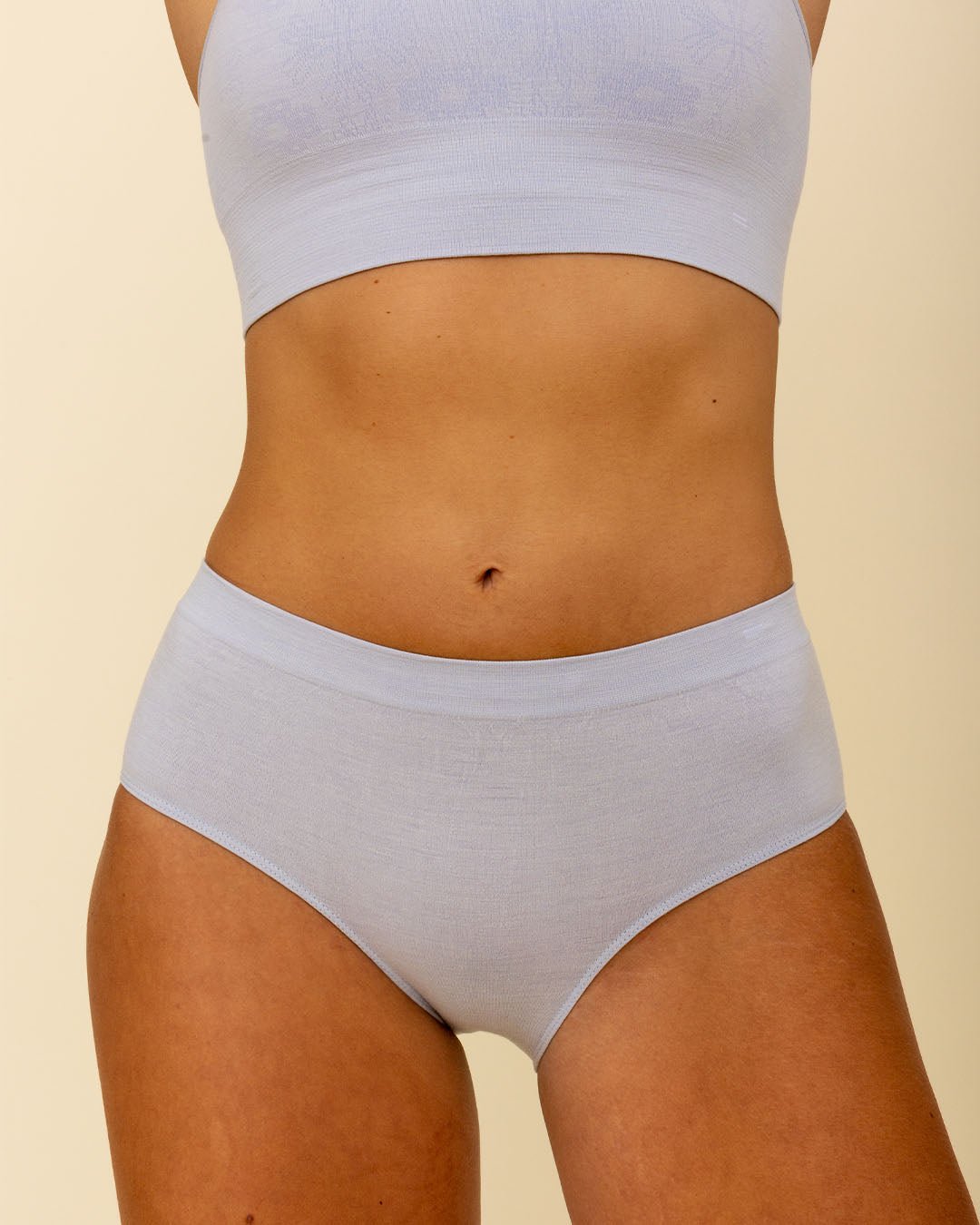
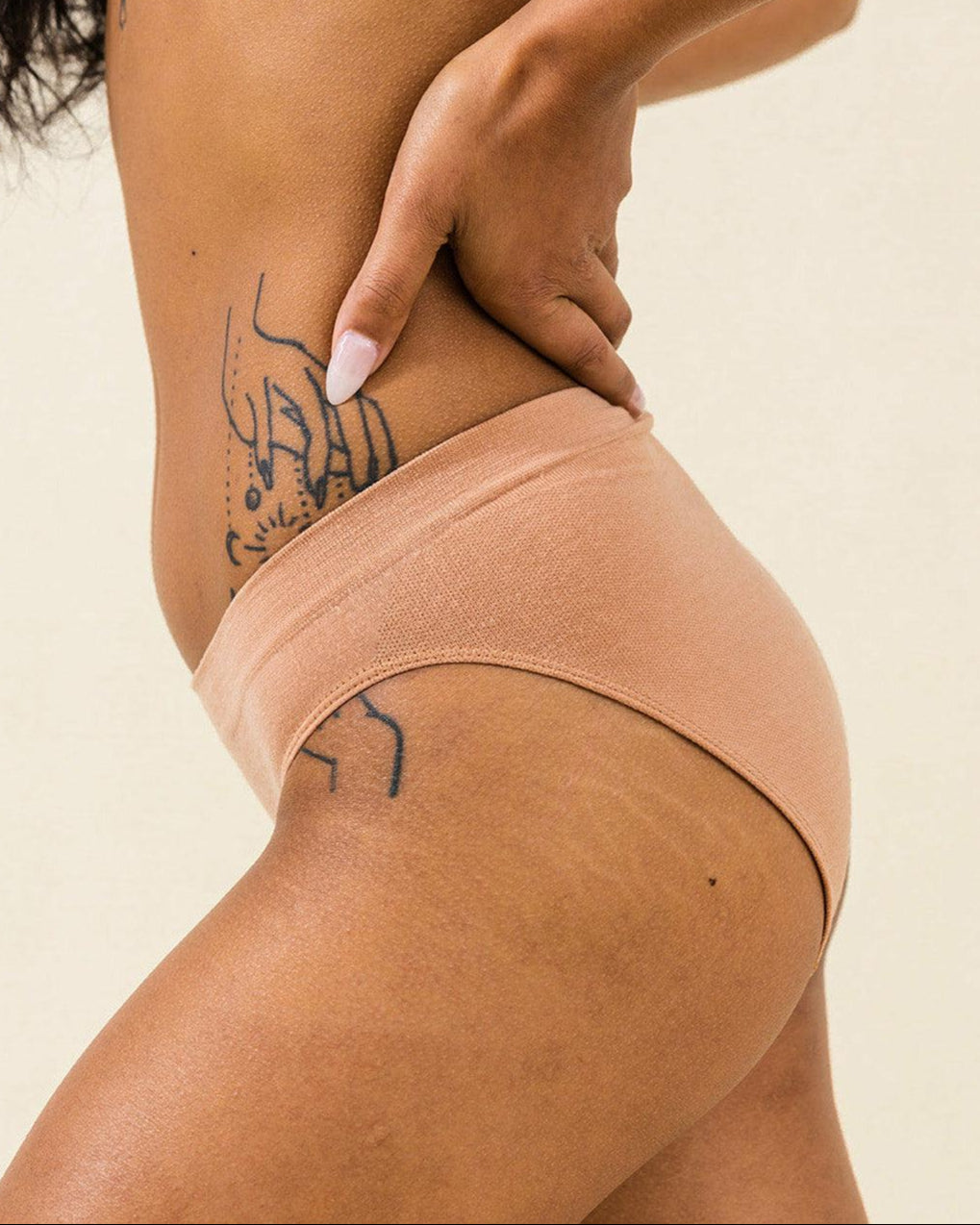
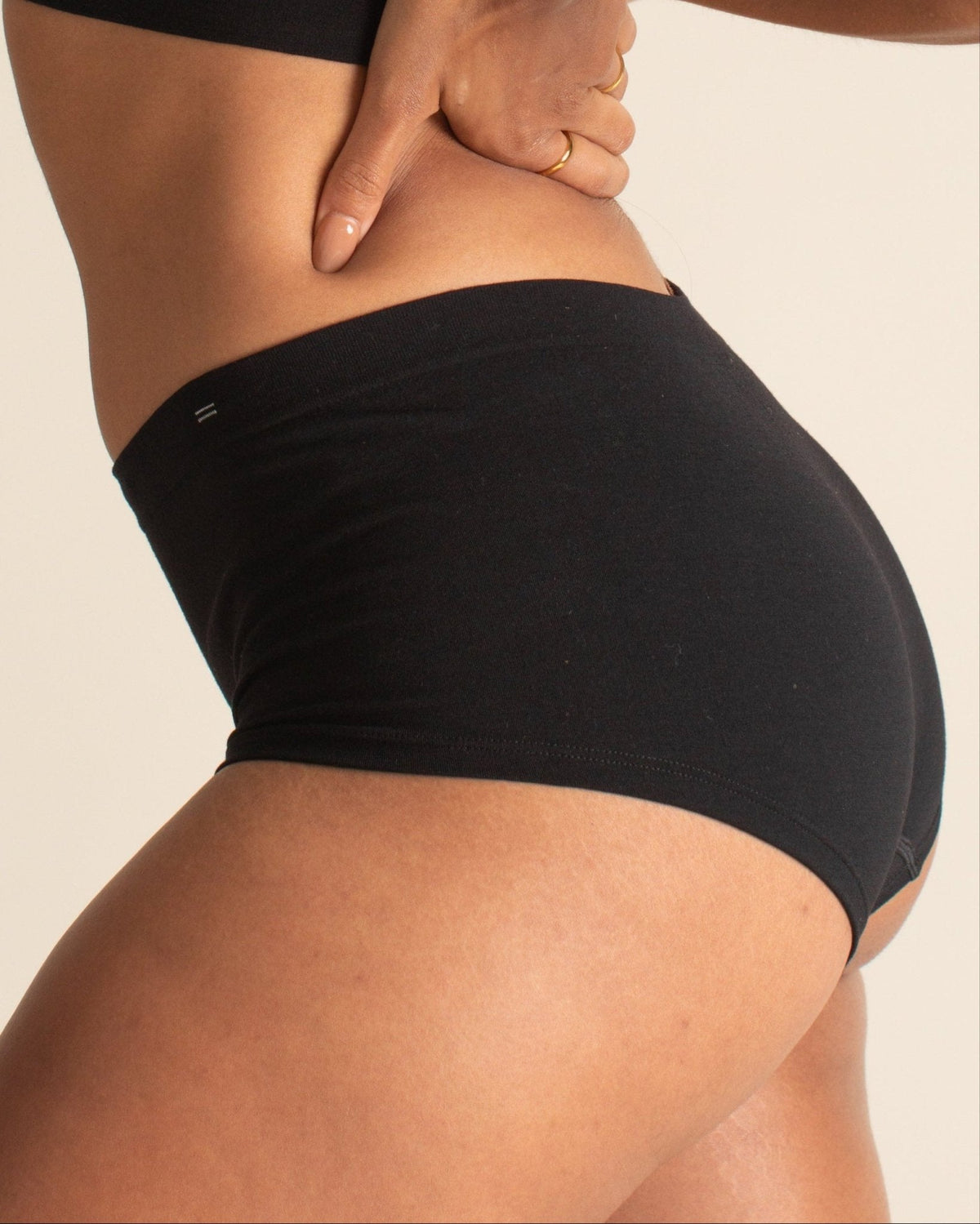
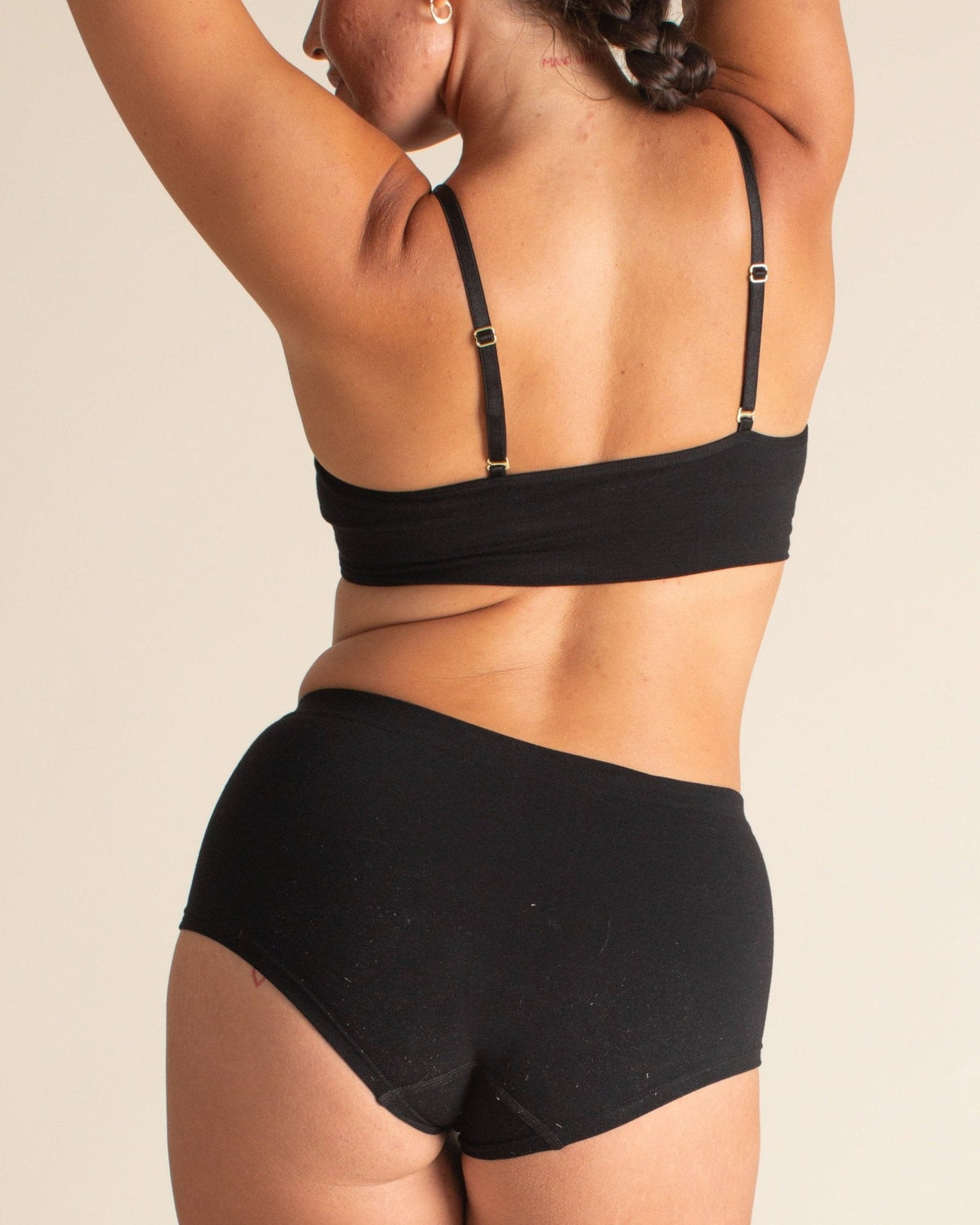
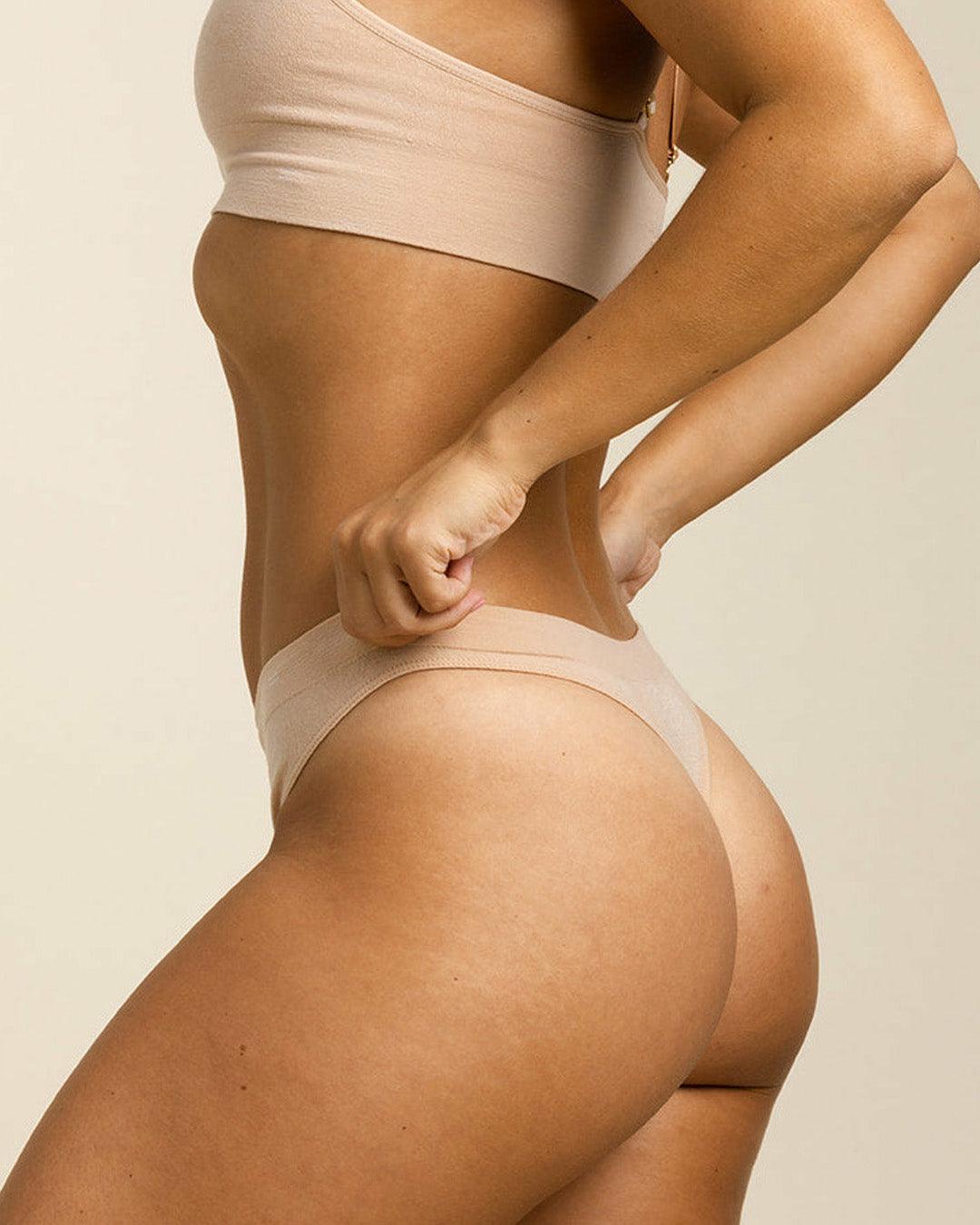
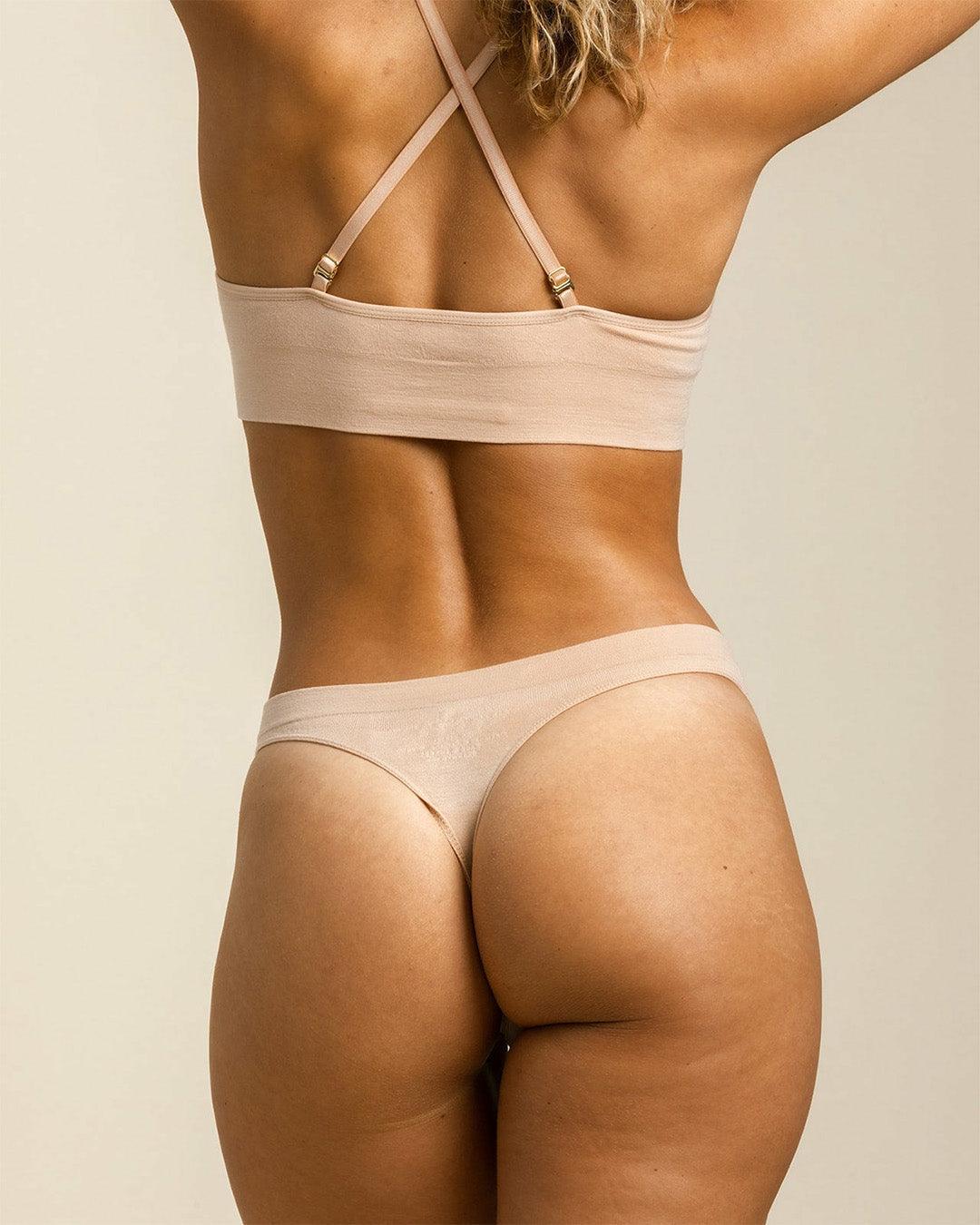
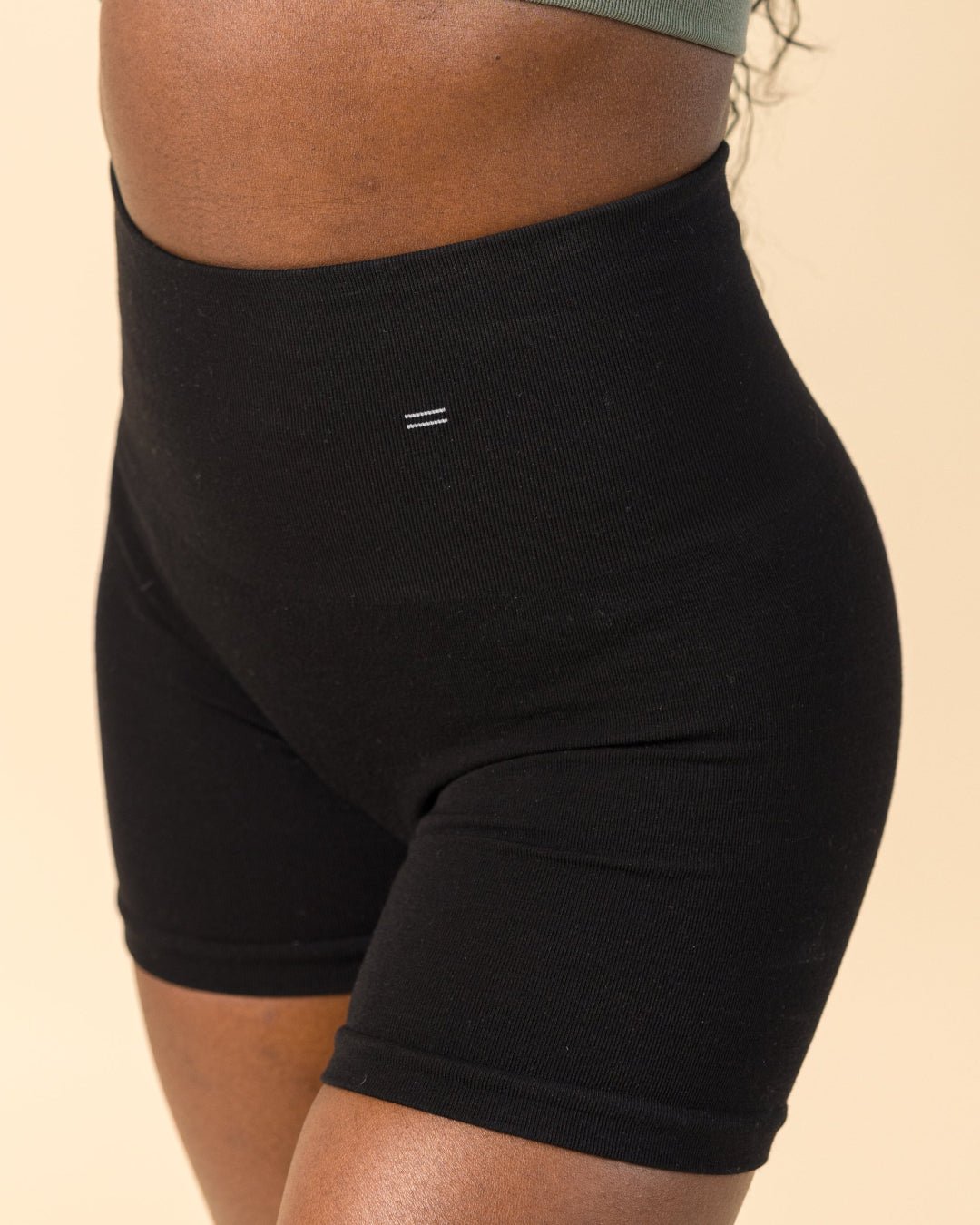
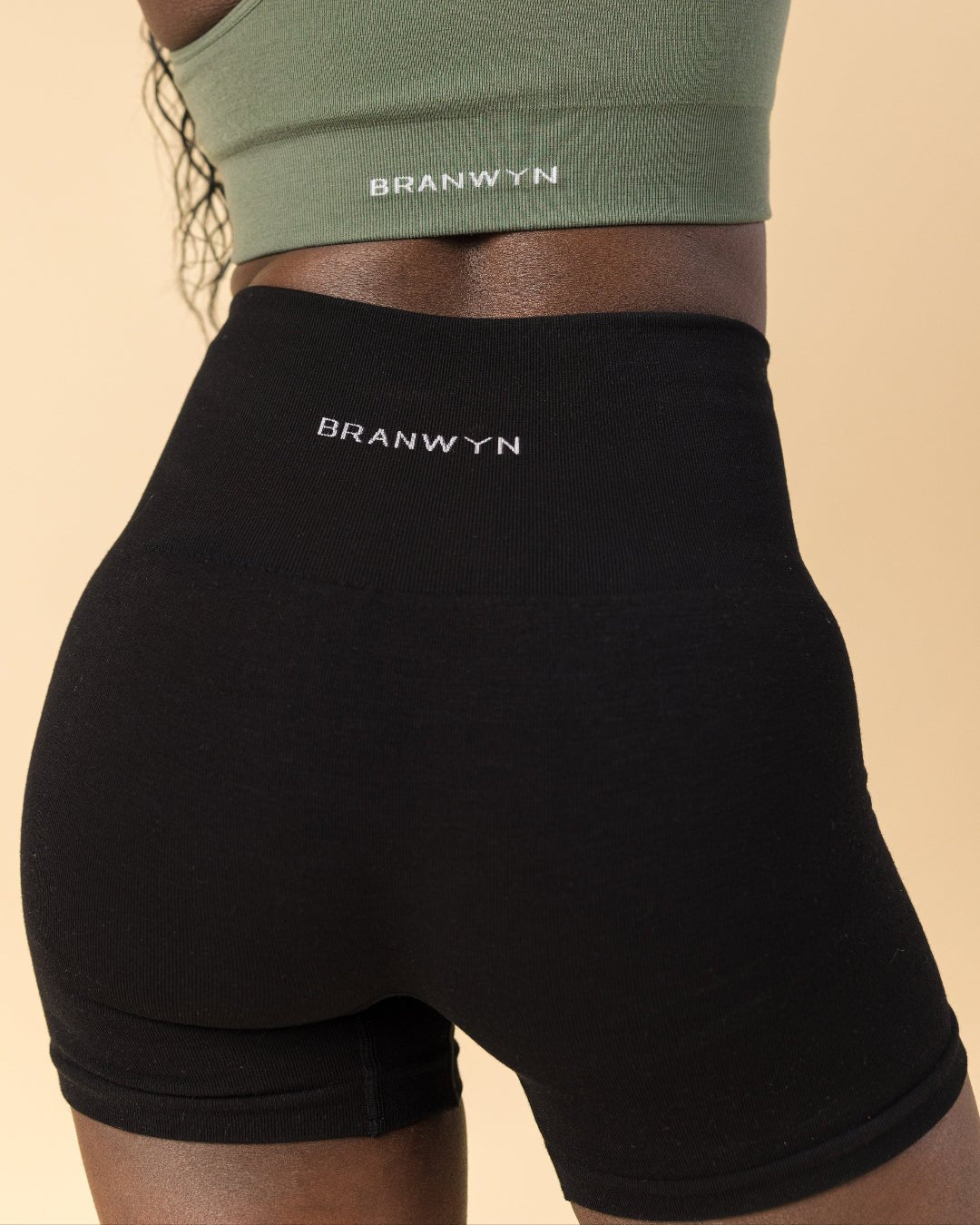
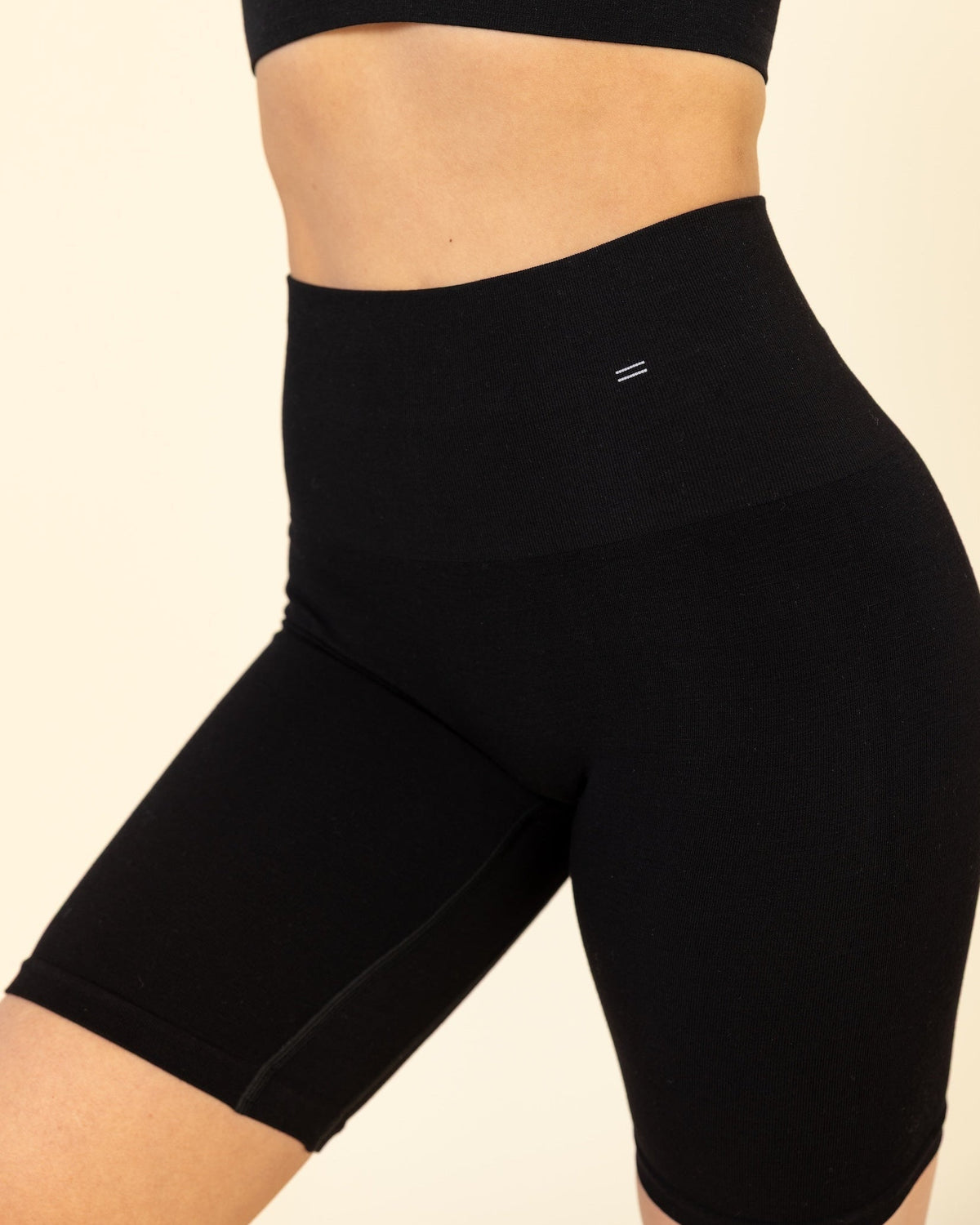
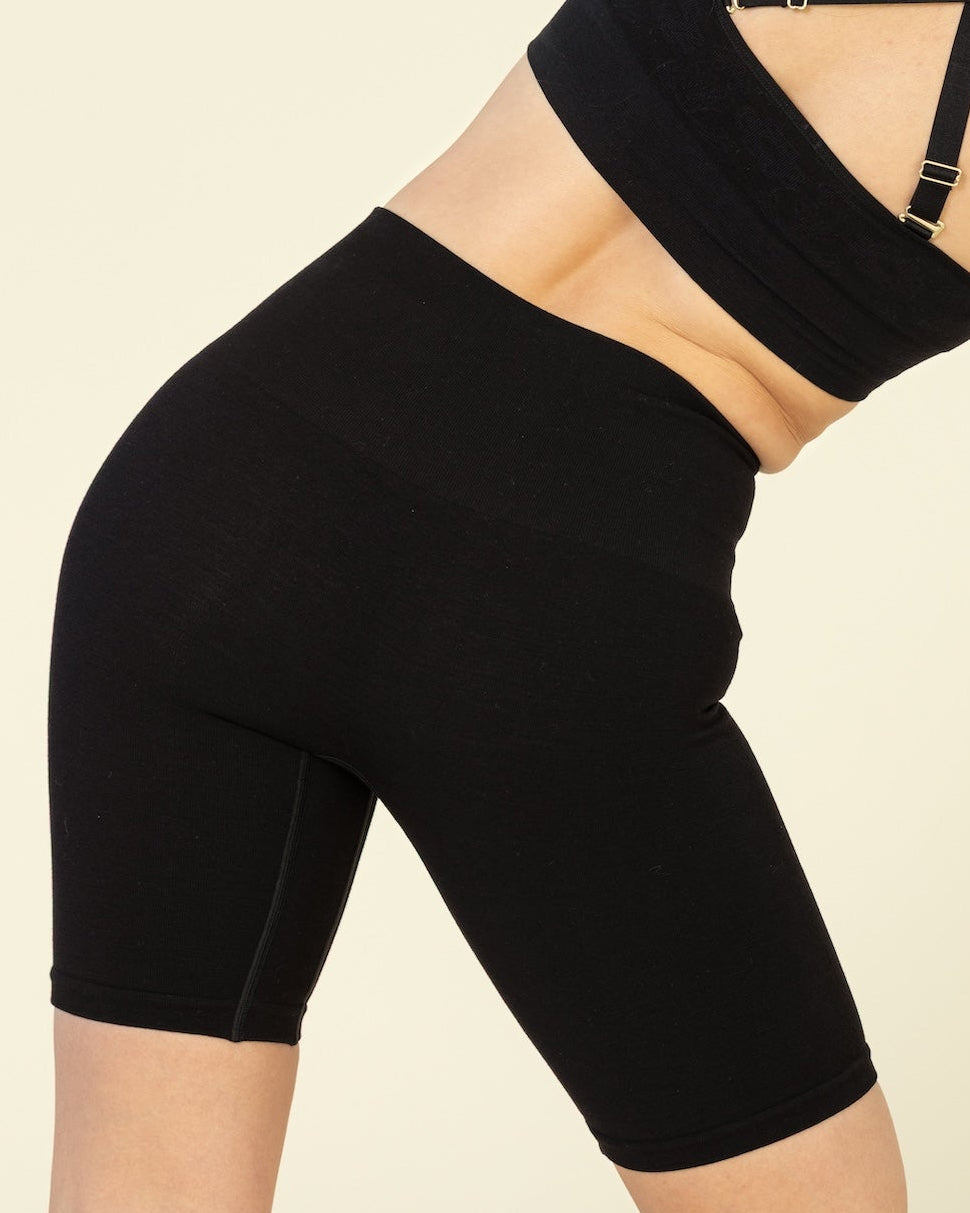
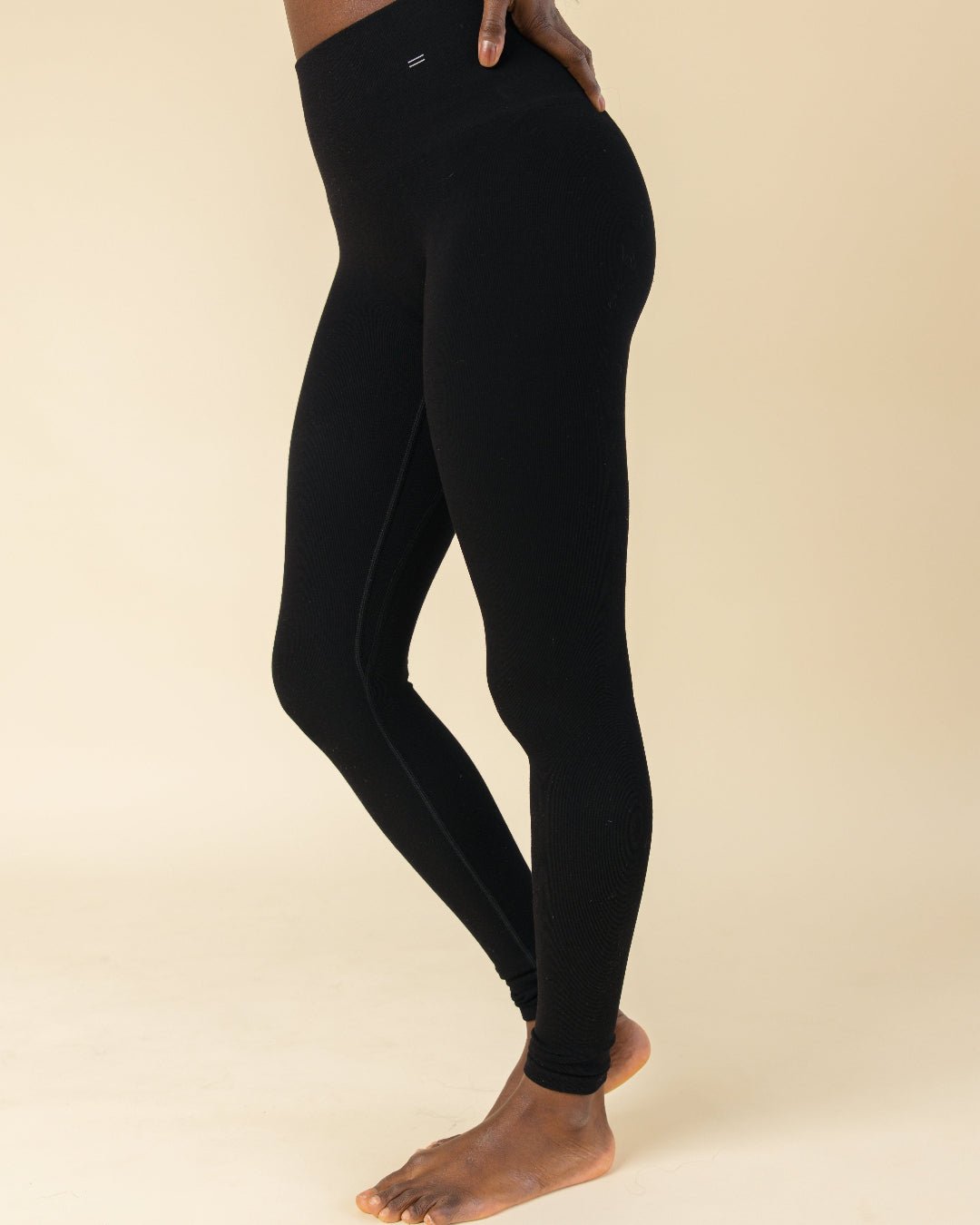
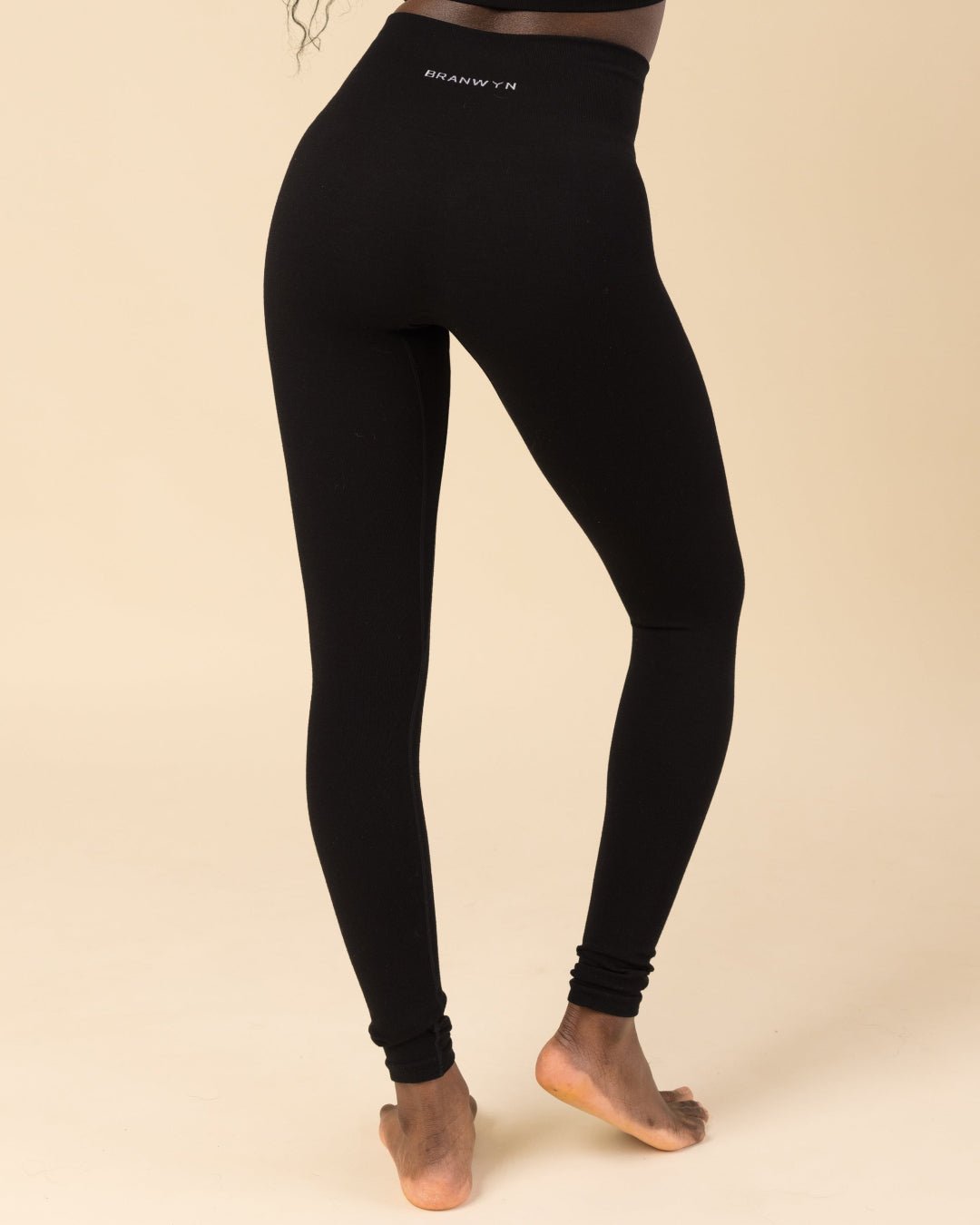
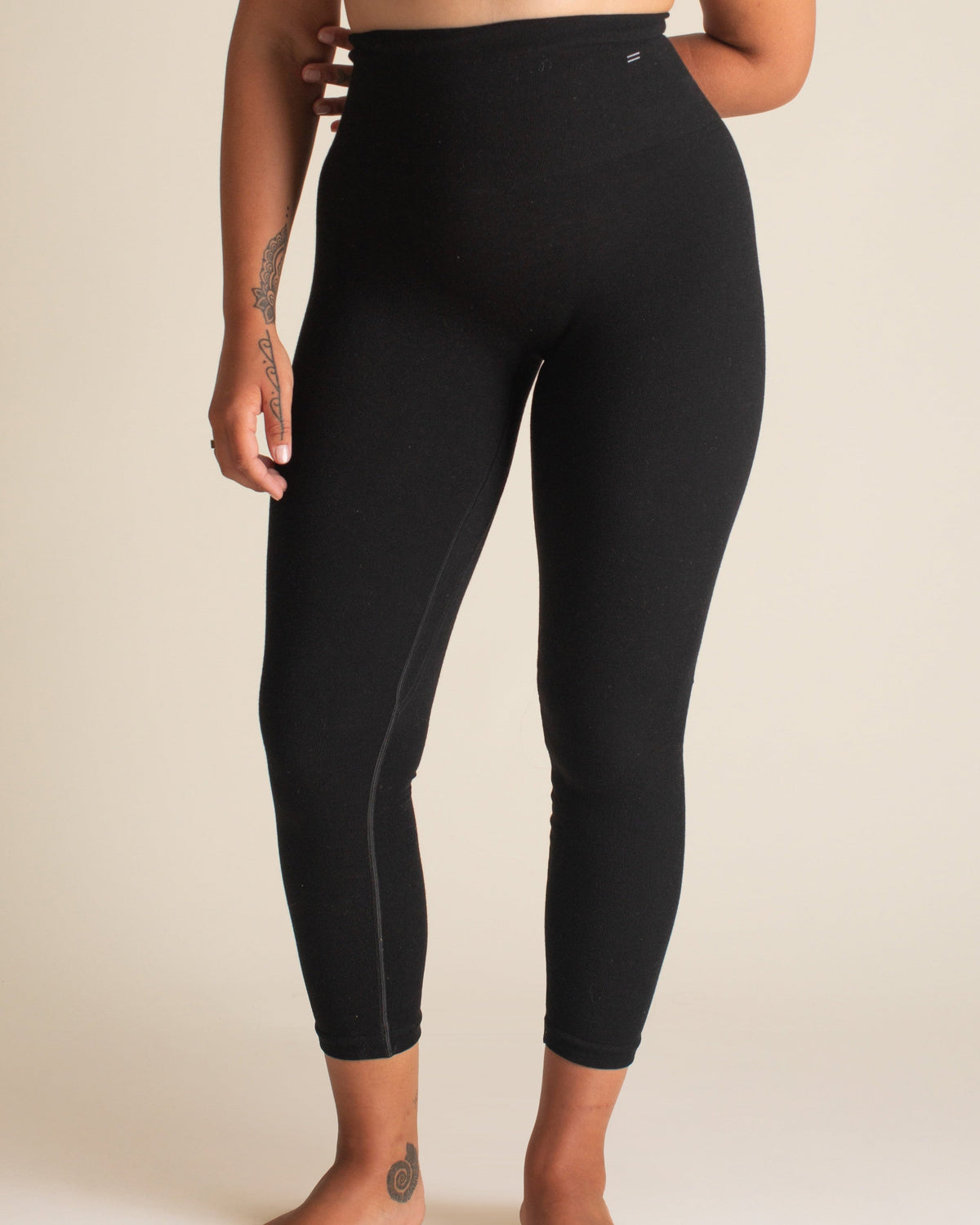
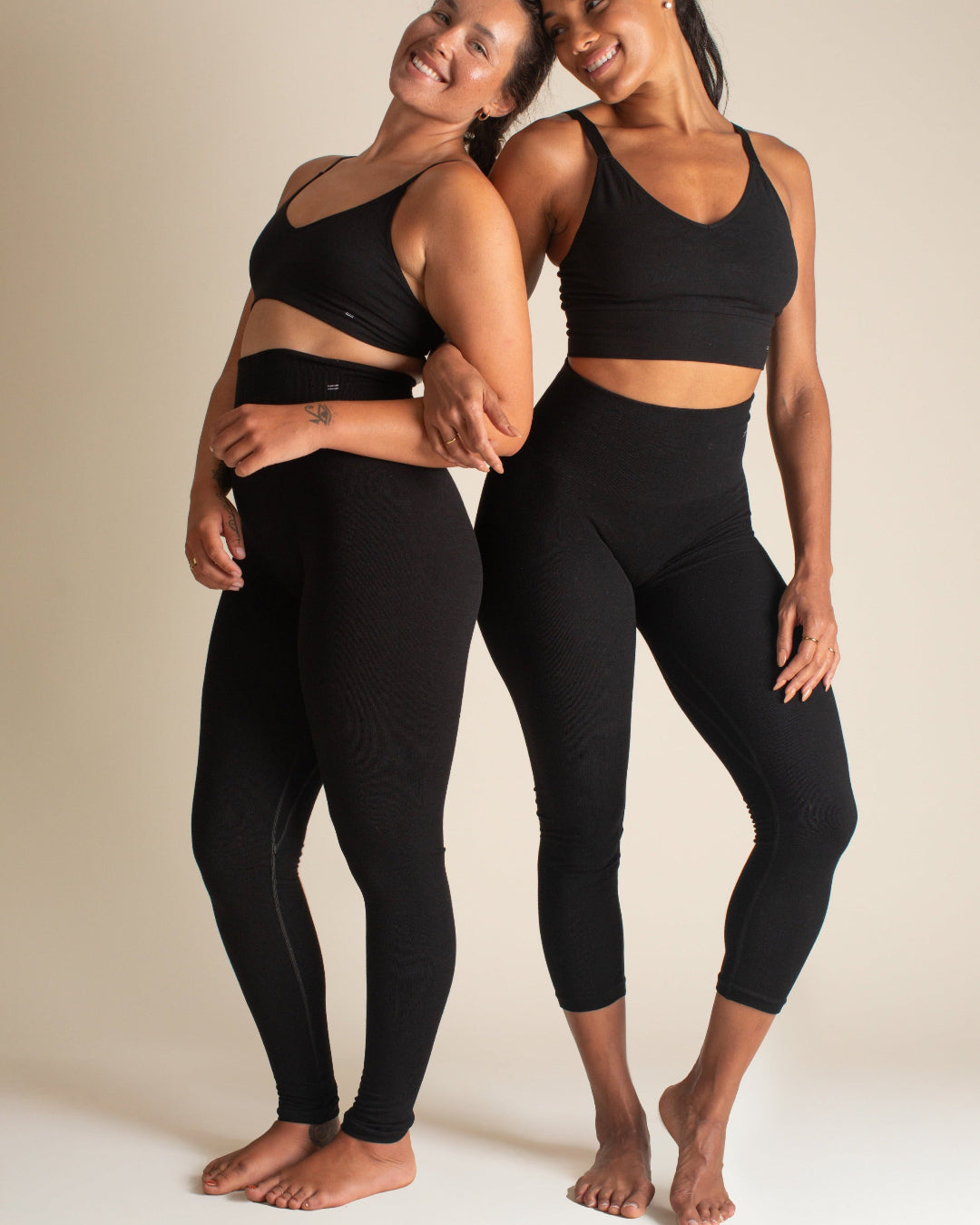
Our commitment to performance and comfort led us to create the first seamless Merino Innerwear. Designed to hug the body, it delivers natural compression and an exceptional fit that moves with you.
That’s why so many customers layer our Merino wool Innerwear as a base layer for skiing, snowboarding, skating, and winter hikes. And who knows? There just may be a few Olympians wearing BRANWYN beneath their red, white, and blue.
We want to know… what are your favorite Olympic sports to watch and why? Please drop us a line anytime at info@branwyn.com or on Instagram at @branwynofficial. We LOVE to hear from you!