
Do you feel like you’ve heard the phrase “natural fibers” more than usual—and maybe it’s piqued your curiosity as to what they’re all about? Or perhaps you're a dyed-in-the-wool (pun intended!) Merino wool devotee who has been preaching the gospel for decades and only now feel like the world is catching on. Wherever you are in your natural fiber journey, you may have noticed that when it comes to what we wear, this movement is having a moment.
Go for a scroll on social media and it’s easy to find people of all ages discussing why they’ve made the switch from polyester-based clothing to those made of natural materials like cotton, linen, and especially Merino wool. “Natural fibers look better, they’re breathable, and many of them are anti-microbial so they don’t hold onto odor and you don’t need to wash them as much,” explains creator Marissa (@marissayaps), “Why would I waste my money on plastic clothes made of polyester and acrylic?”
Let’s take a look at the rise of natural fibers, the motivation behind the movement, how Merino wool excels when it comes to performance capabilities for active women, and why this is a trend that’s here to stay for the long haul.

What’s Old Is New Again
There’s no debate: Natural fibers are on the rise. According to a report from Grandview Research, the global natural fiber market size will continue to grow from an estimated $69 billion in 2025 to $95 billion by 2030. Why the uptick? The researchers found that growth was driven by a shift toward more sustainable materials and increasing environmental concerns.
Search data shows the same trends. There’s been a serious spike over the last year of people Googling “natural fibers” and “plastic-free.”
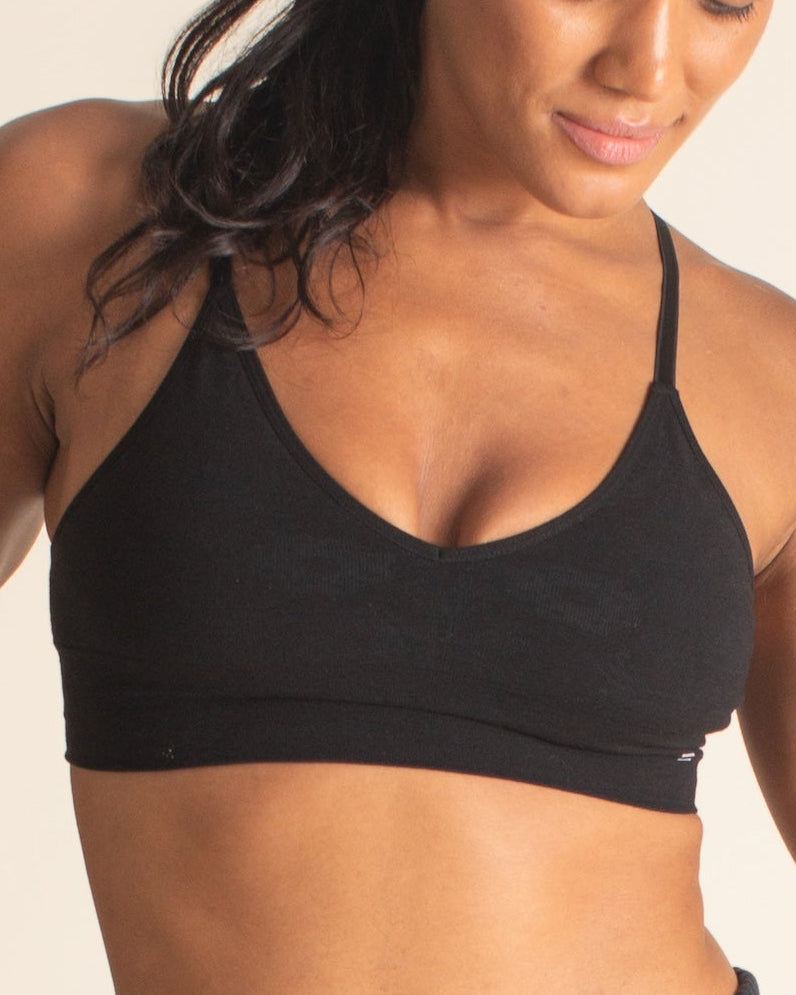
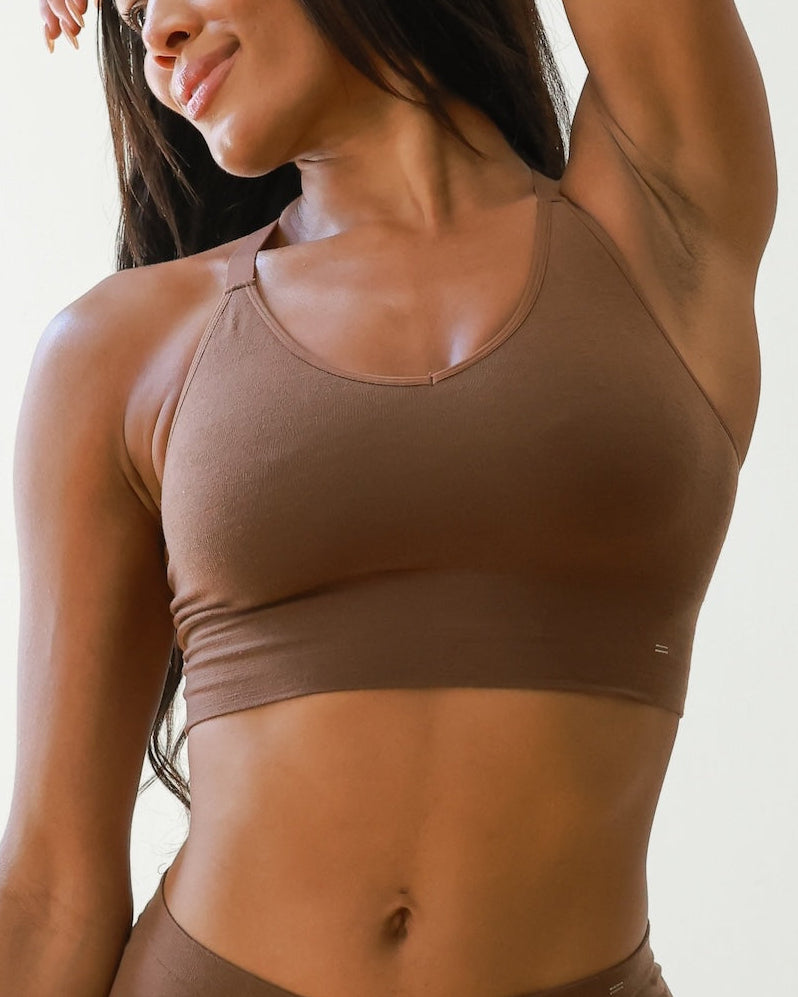
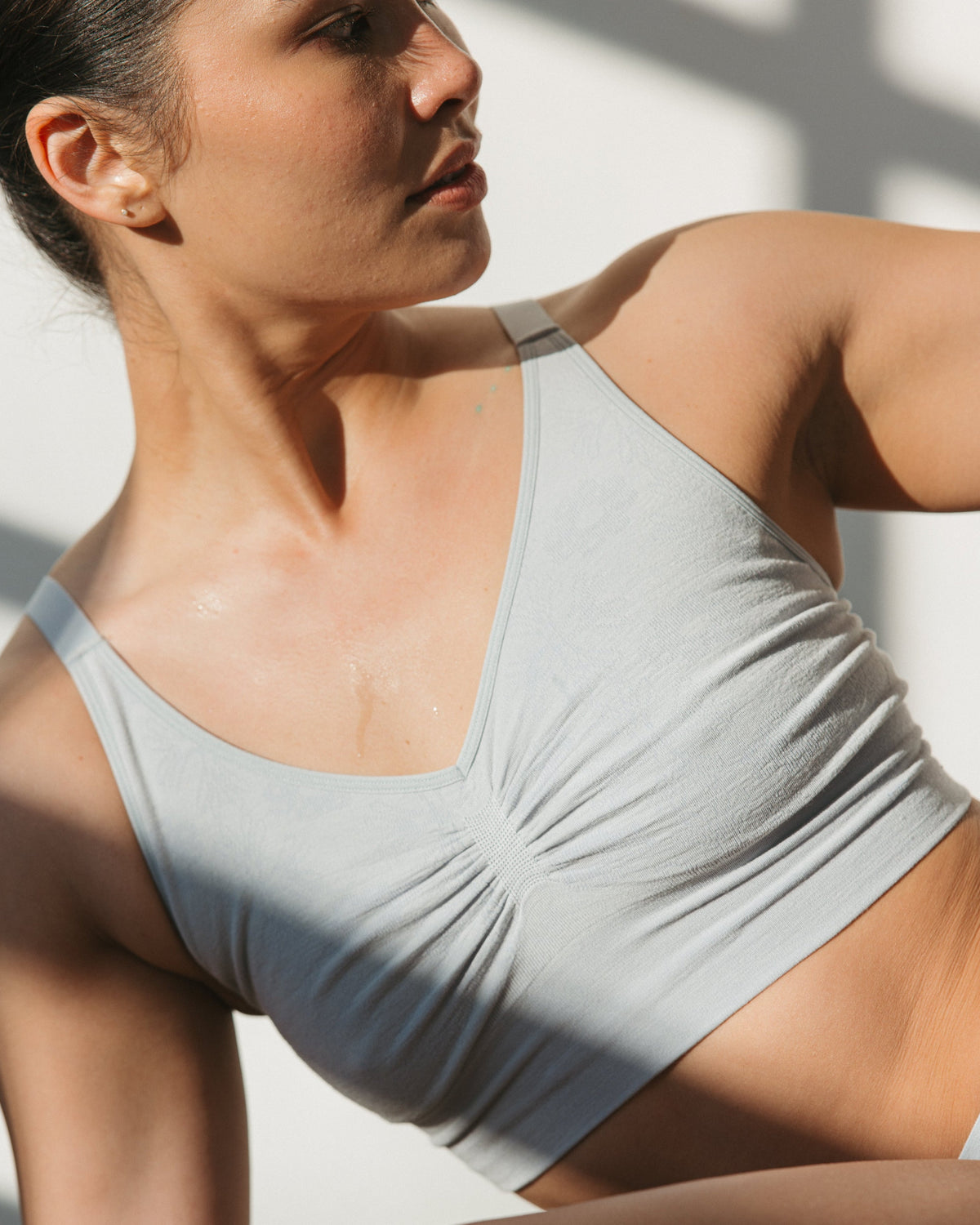
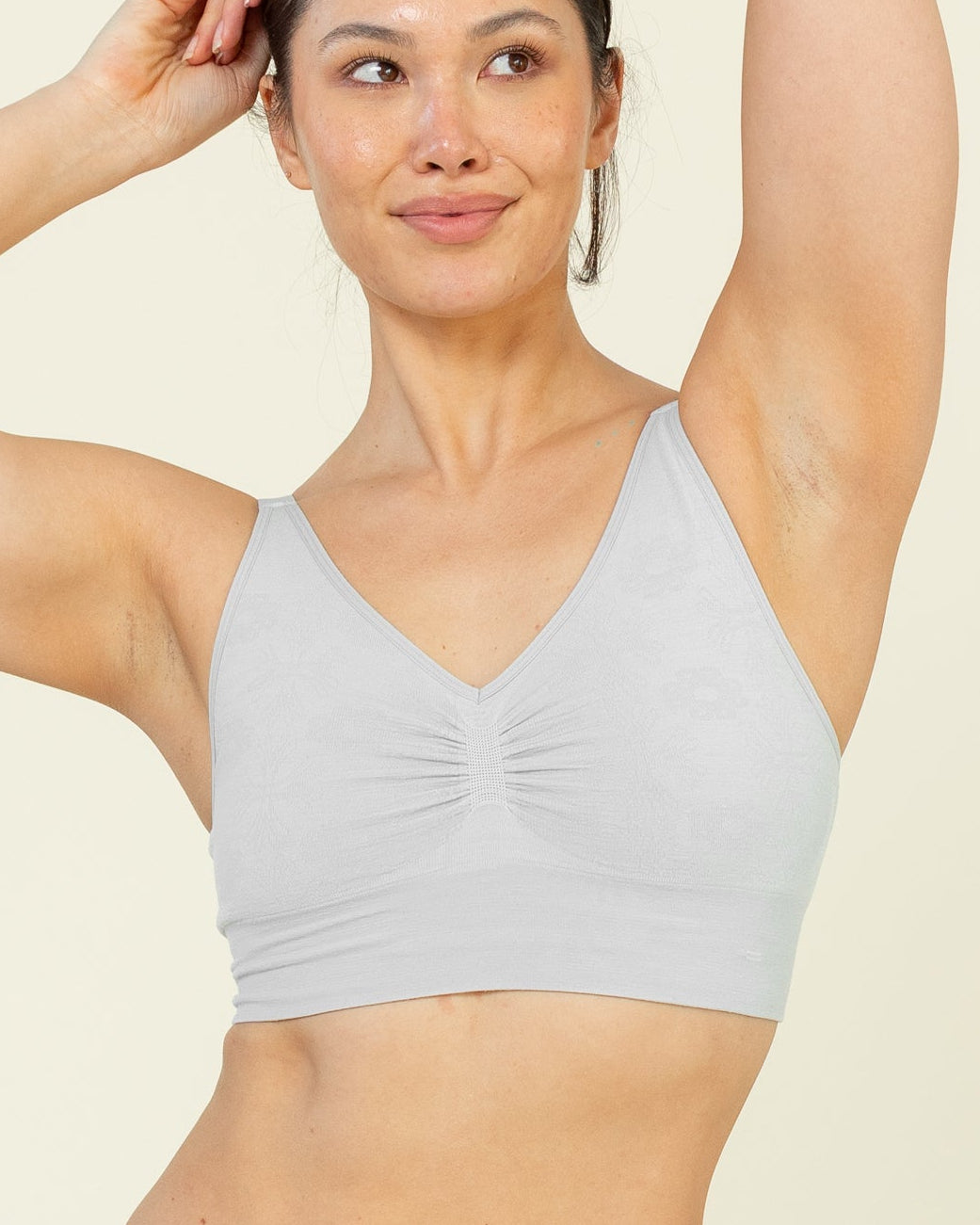
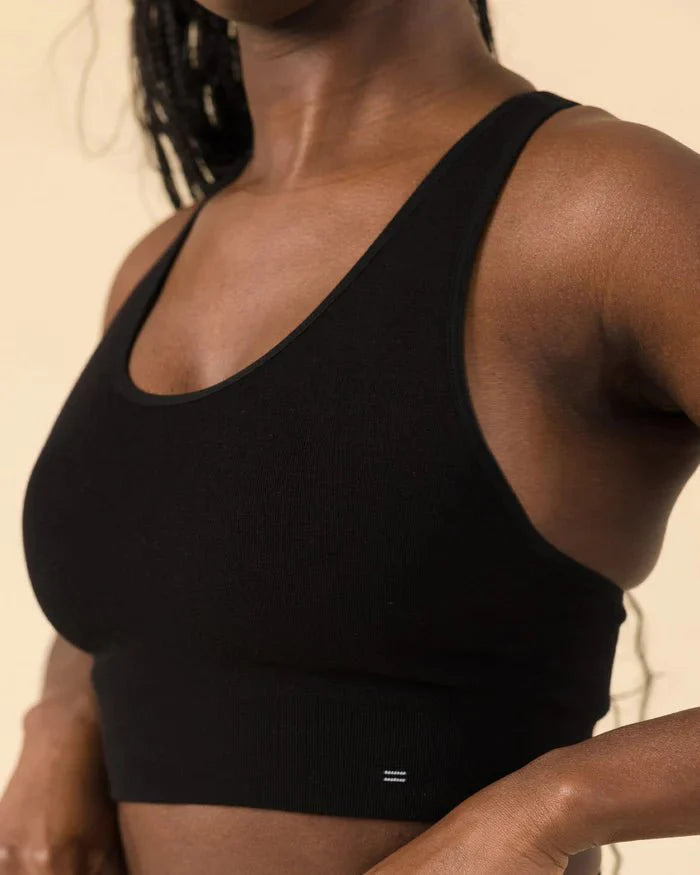
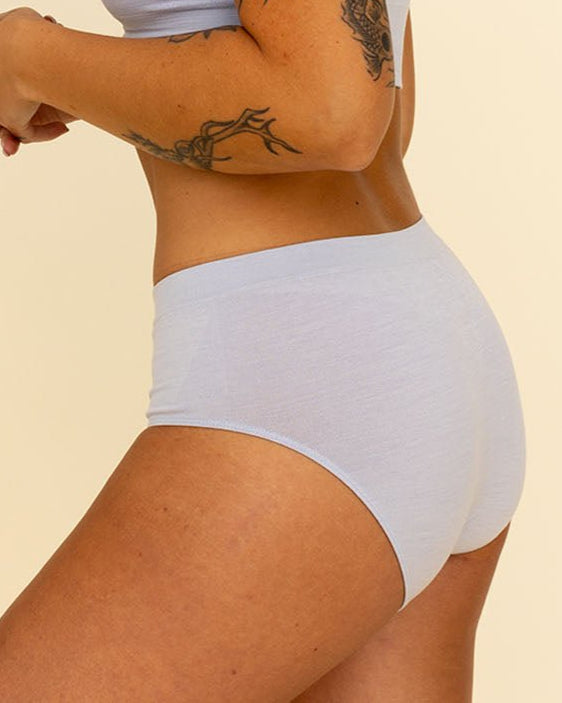
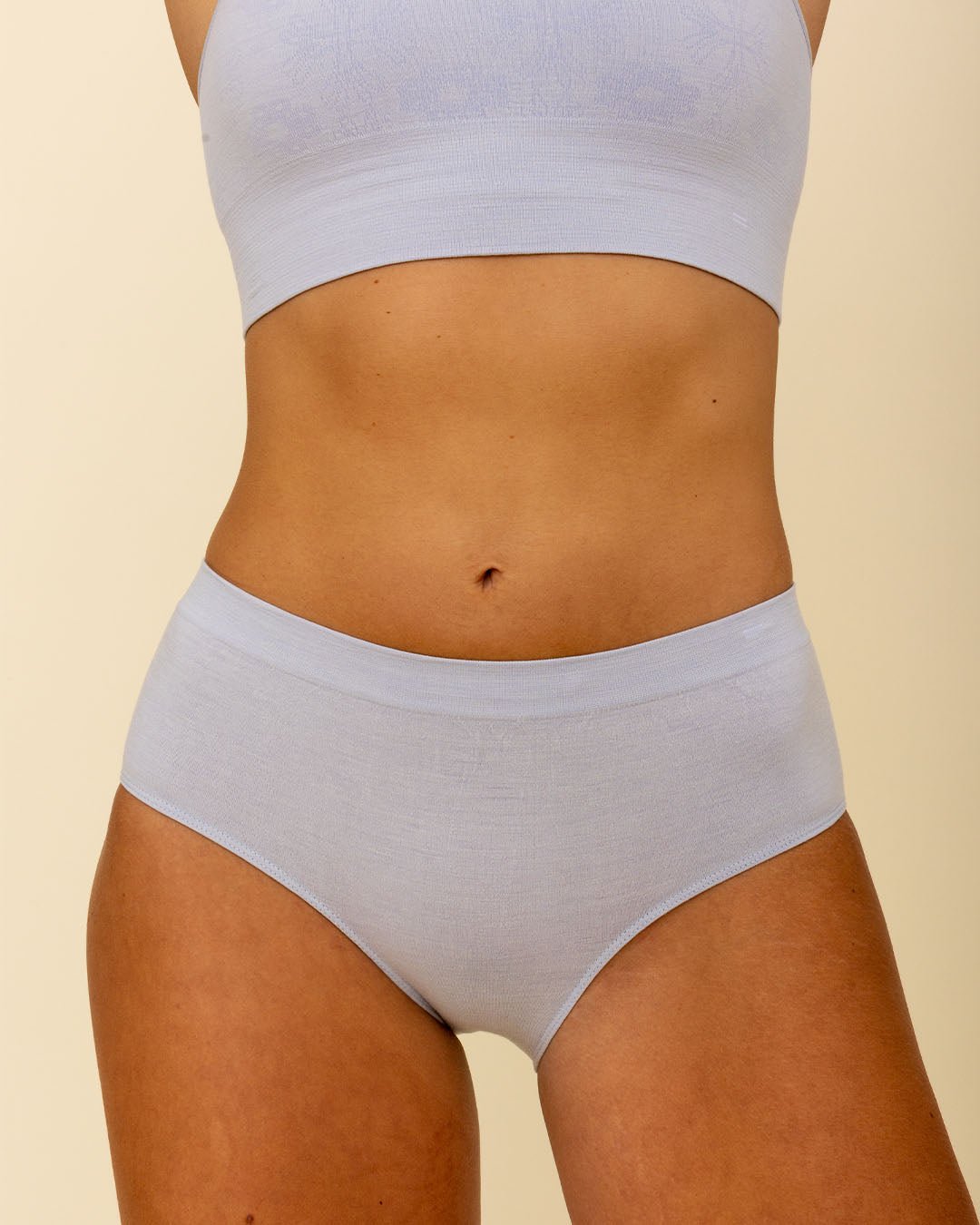
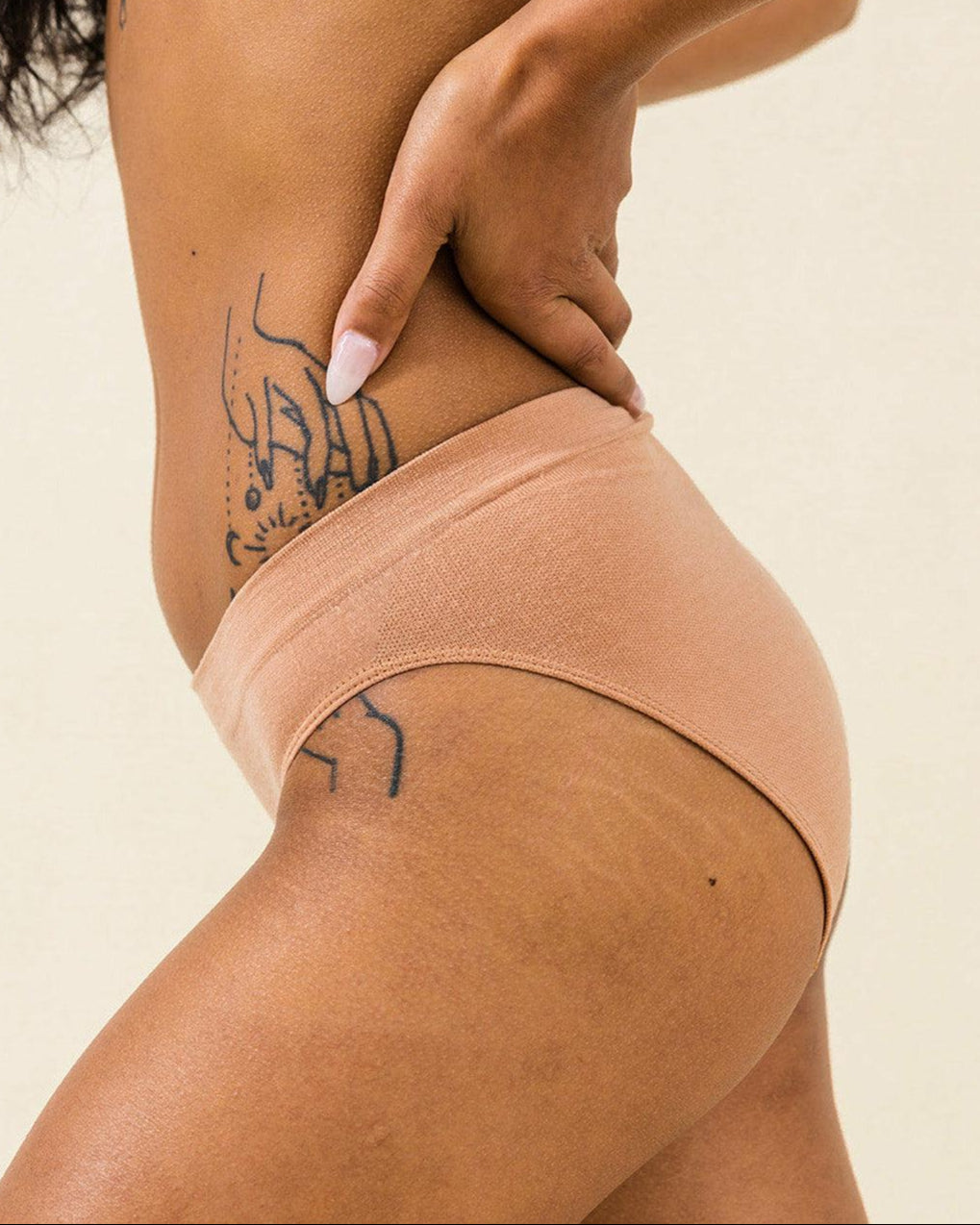
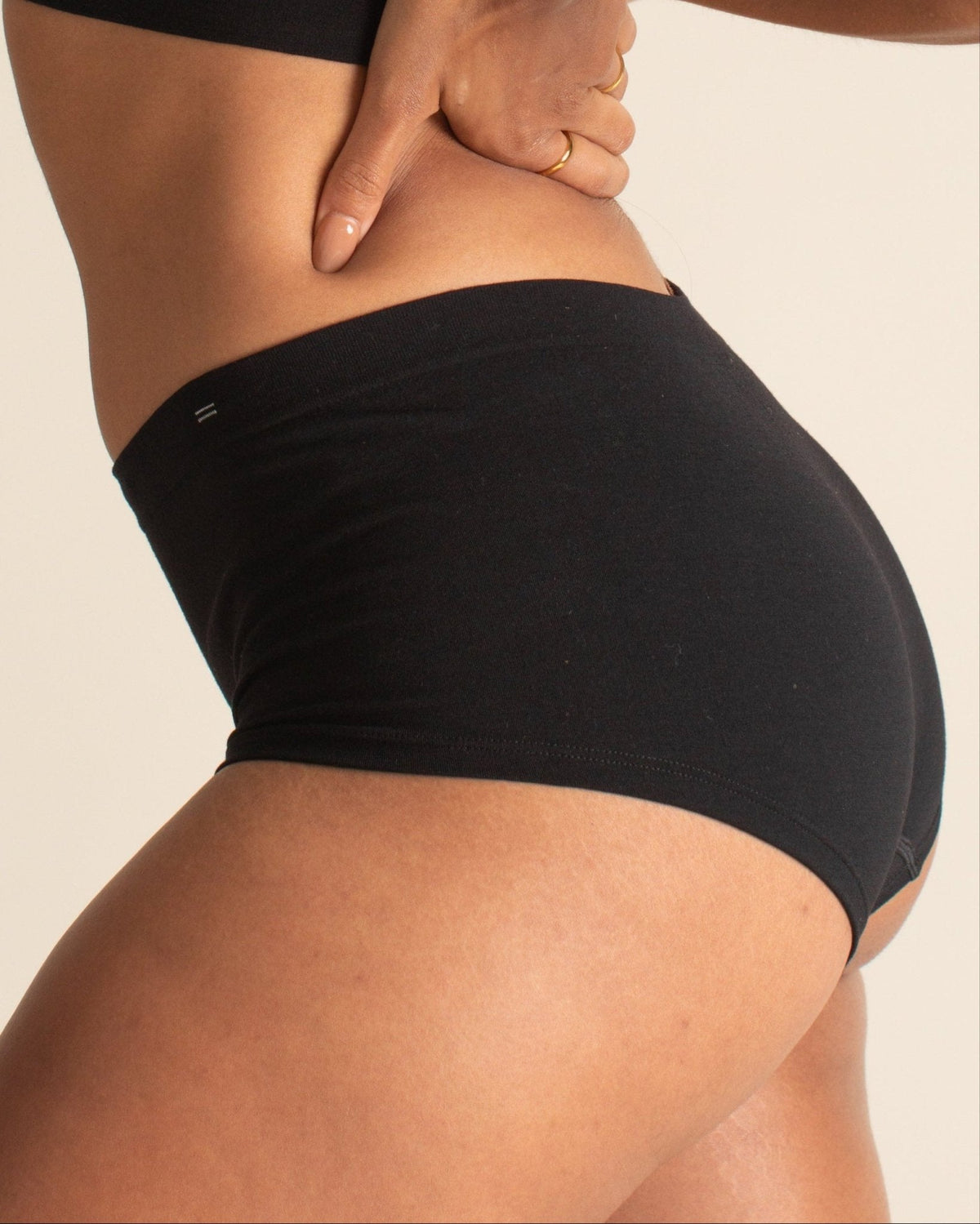
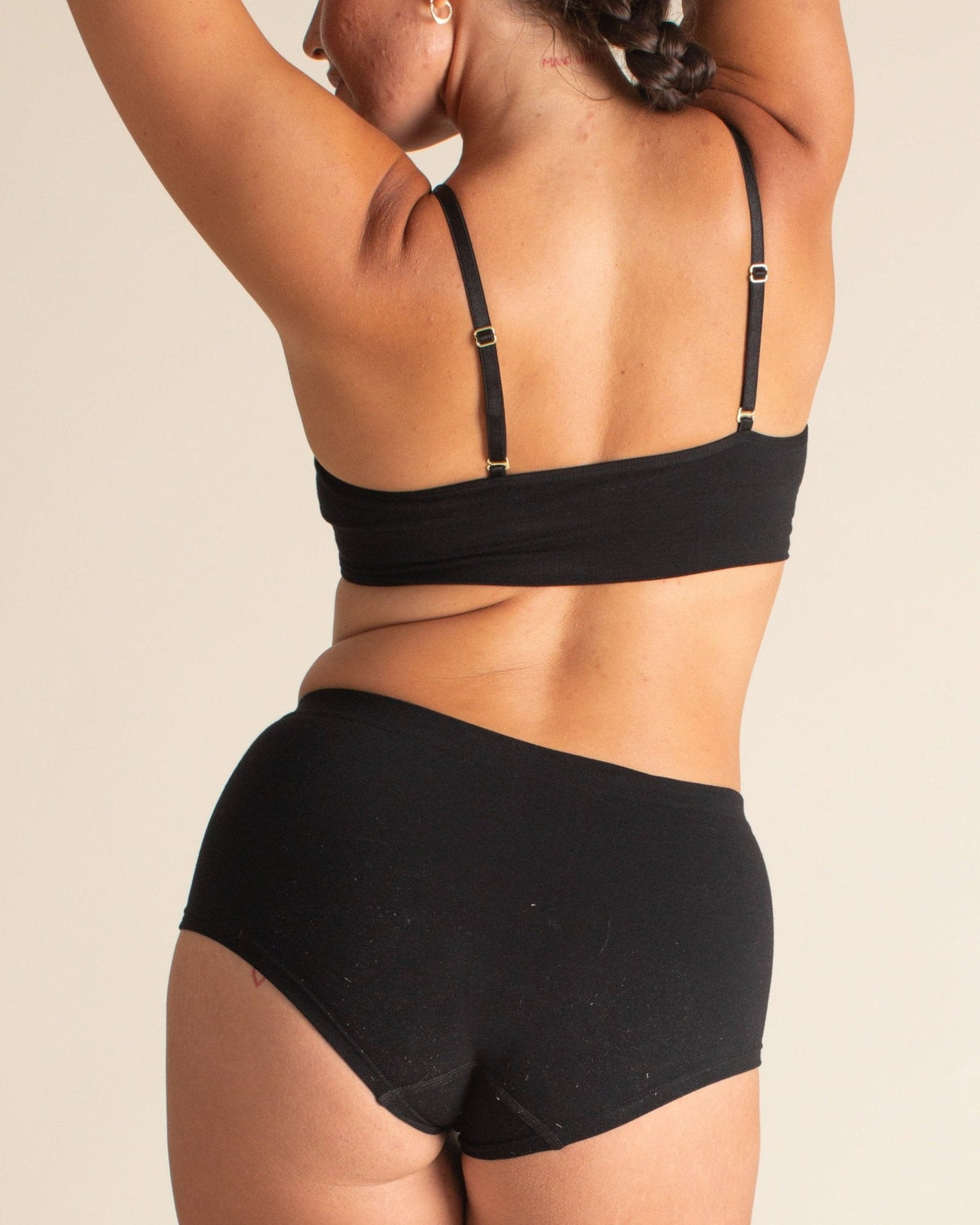
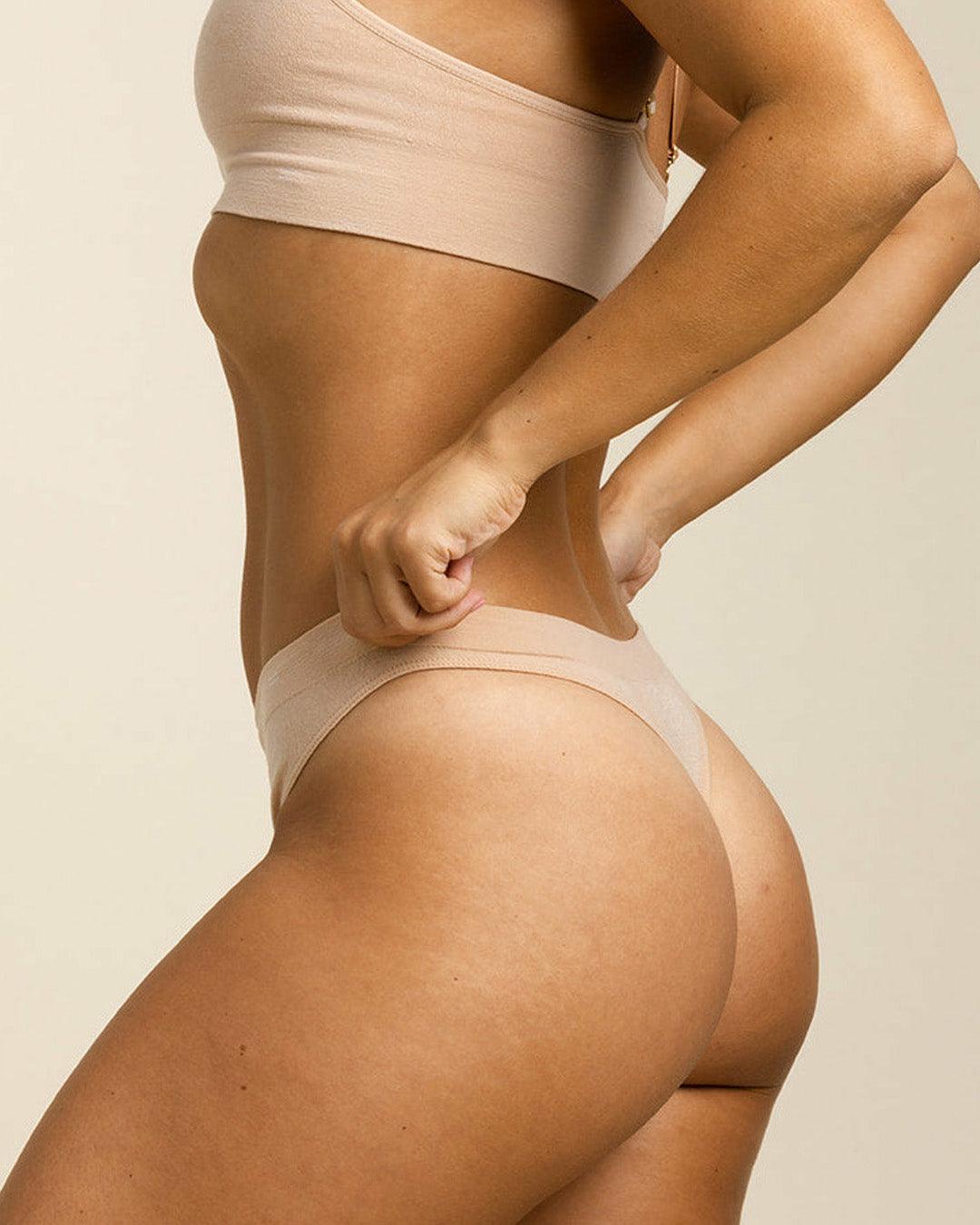
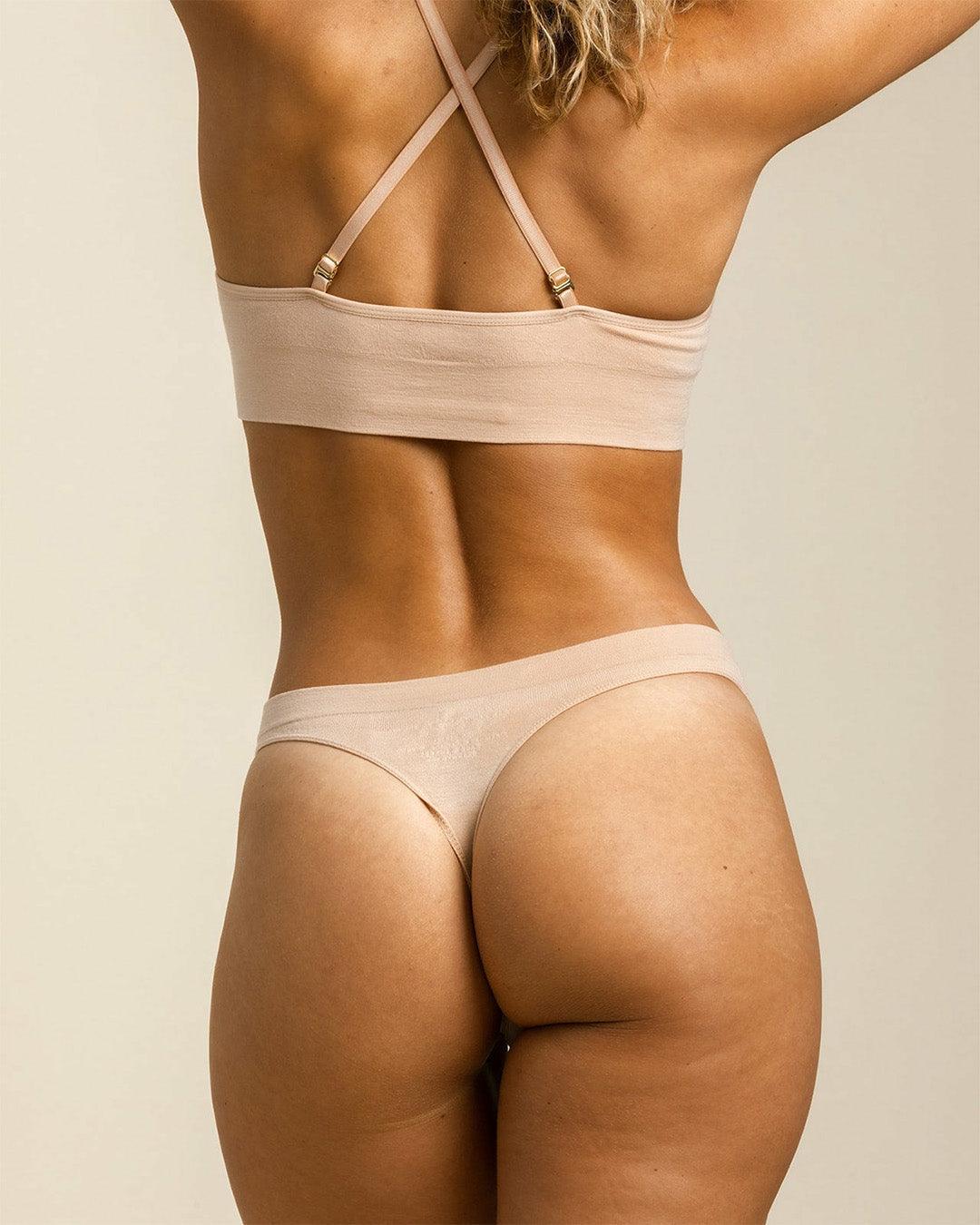
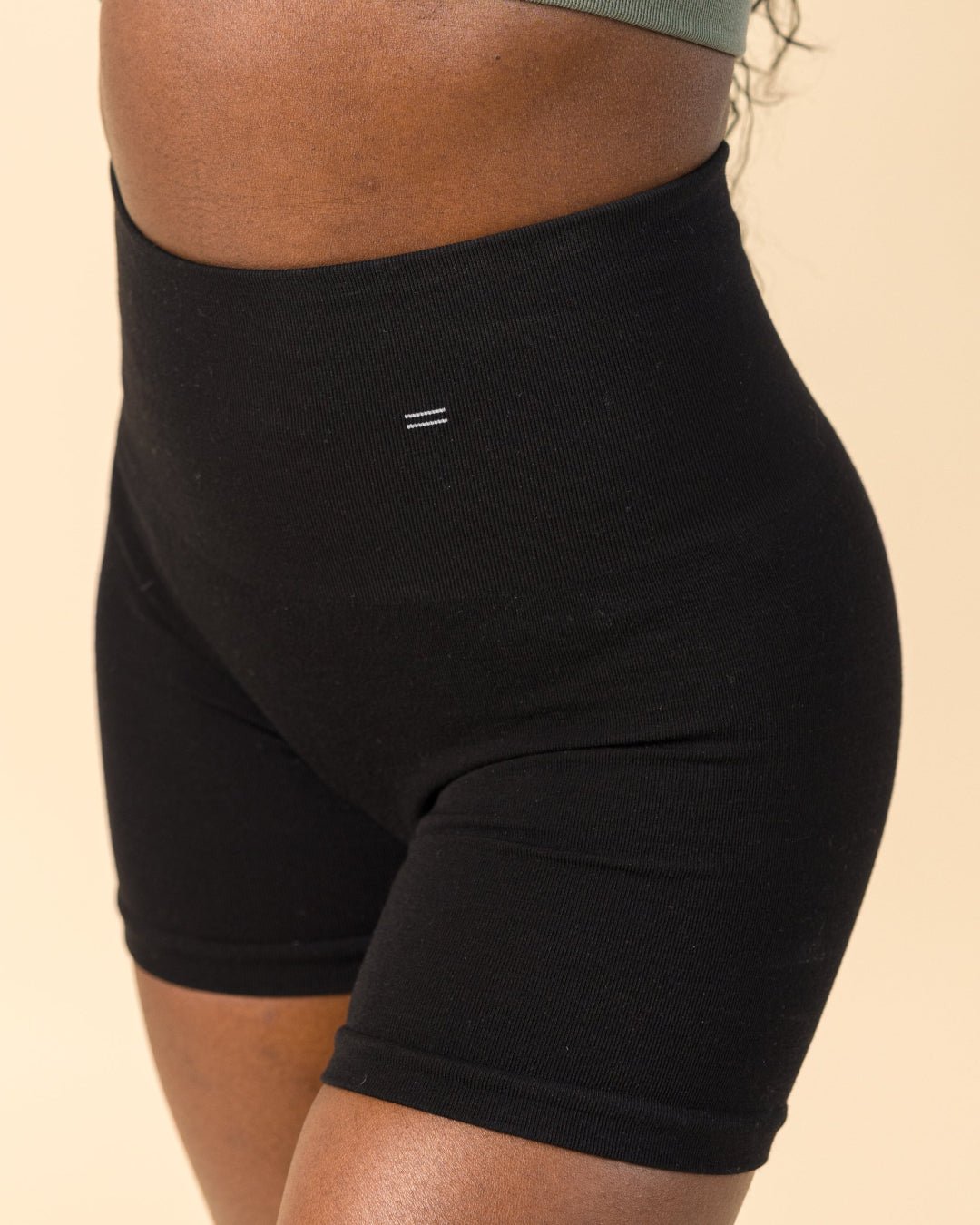
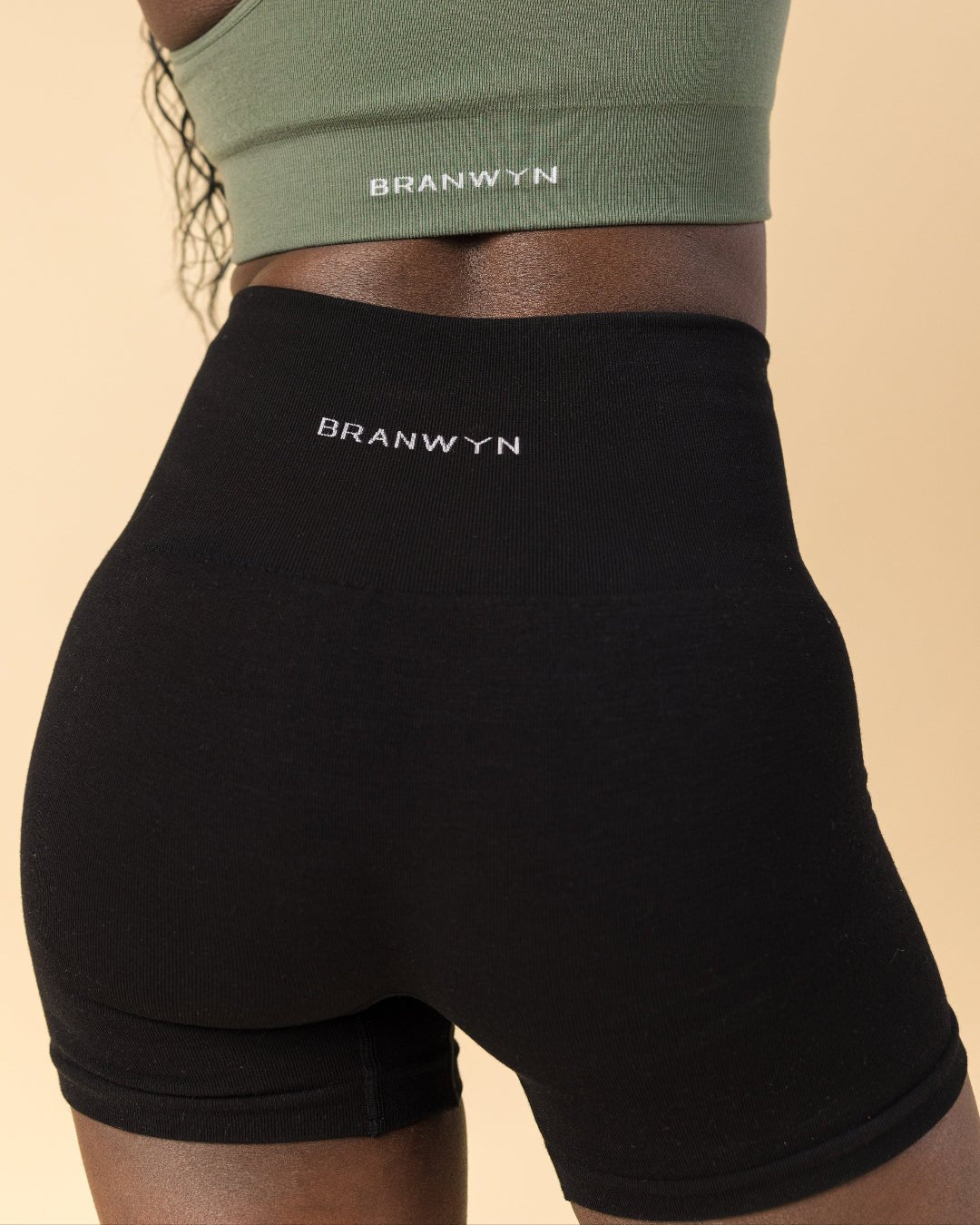
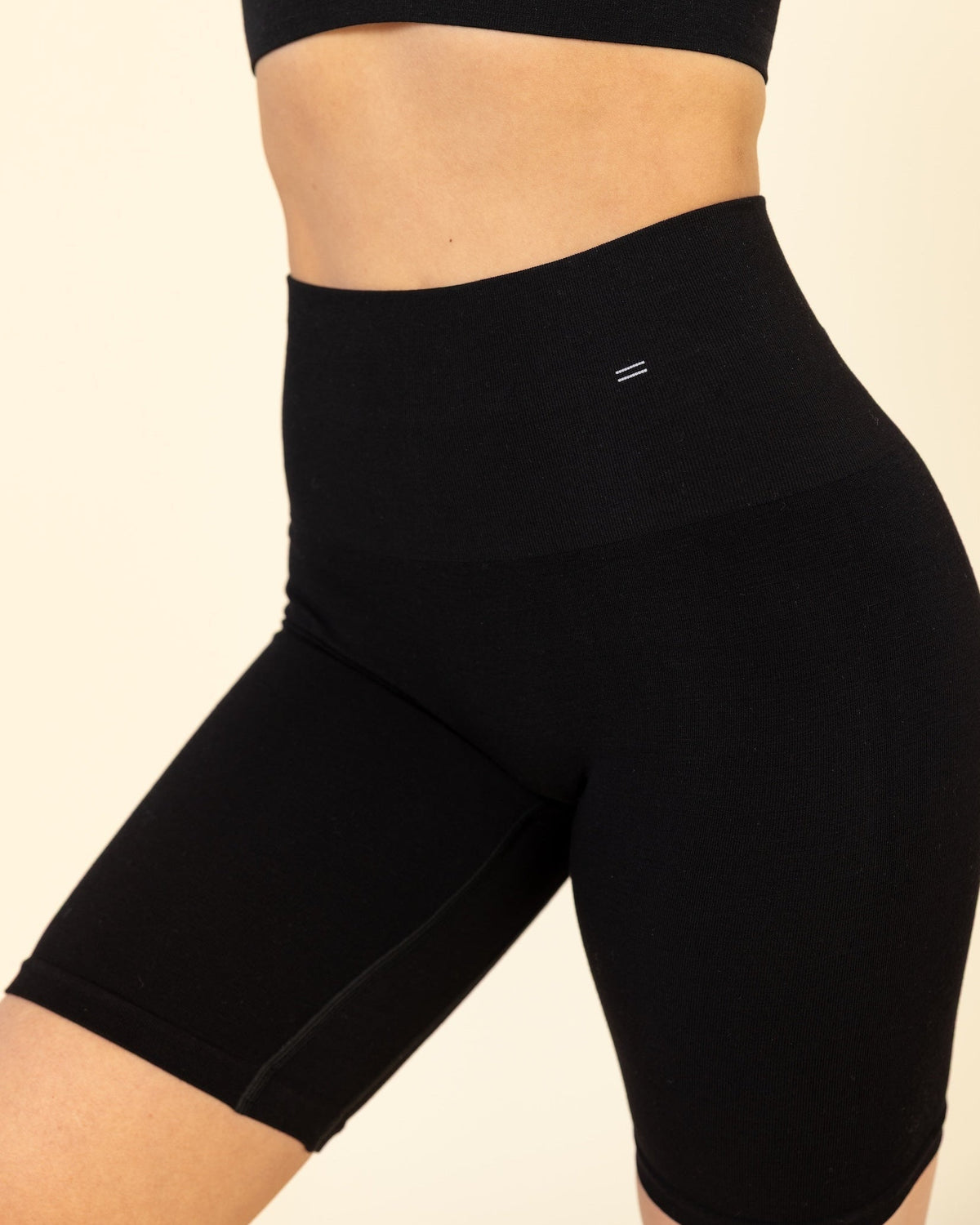
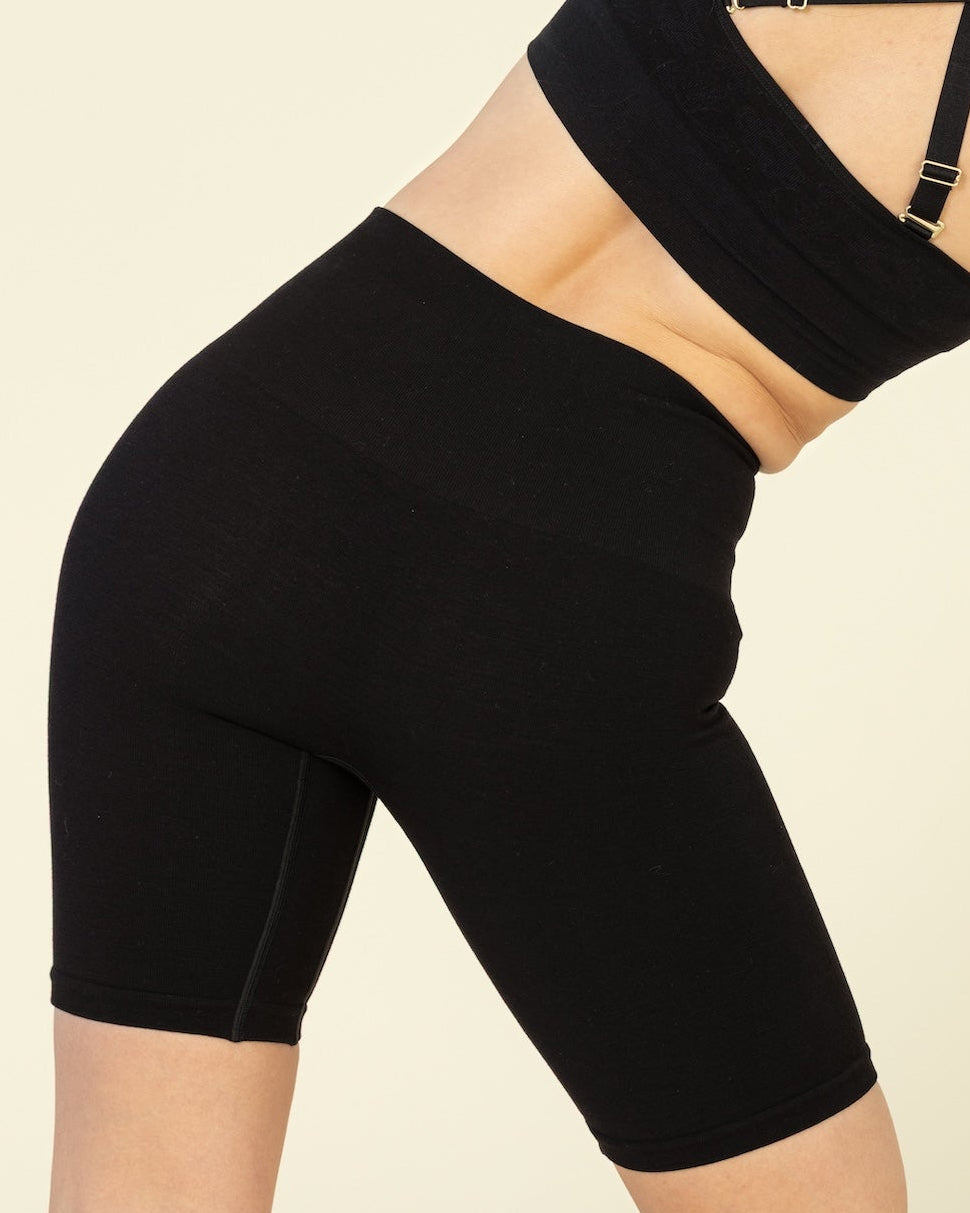
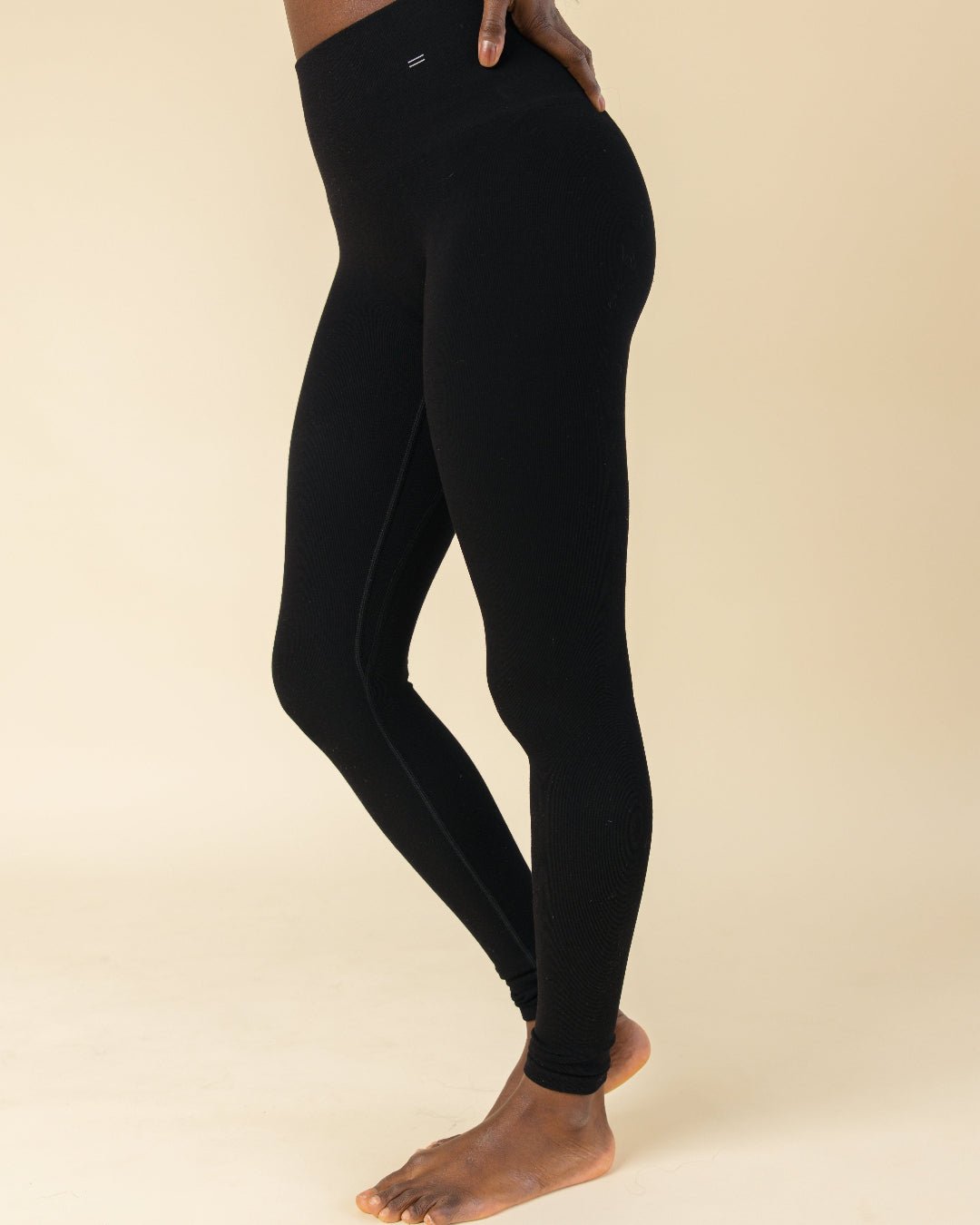
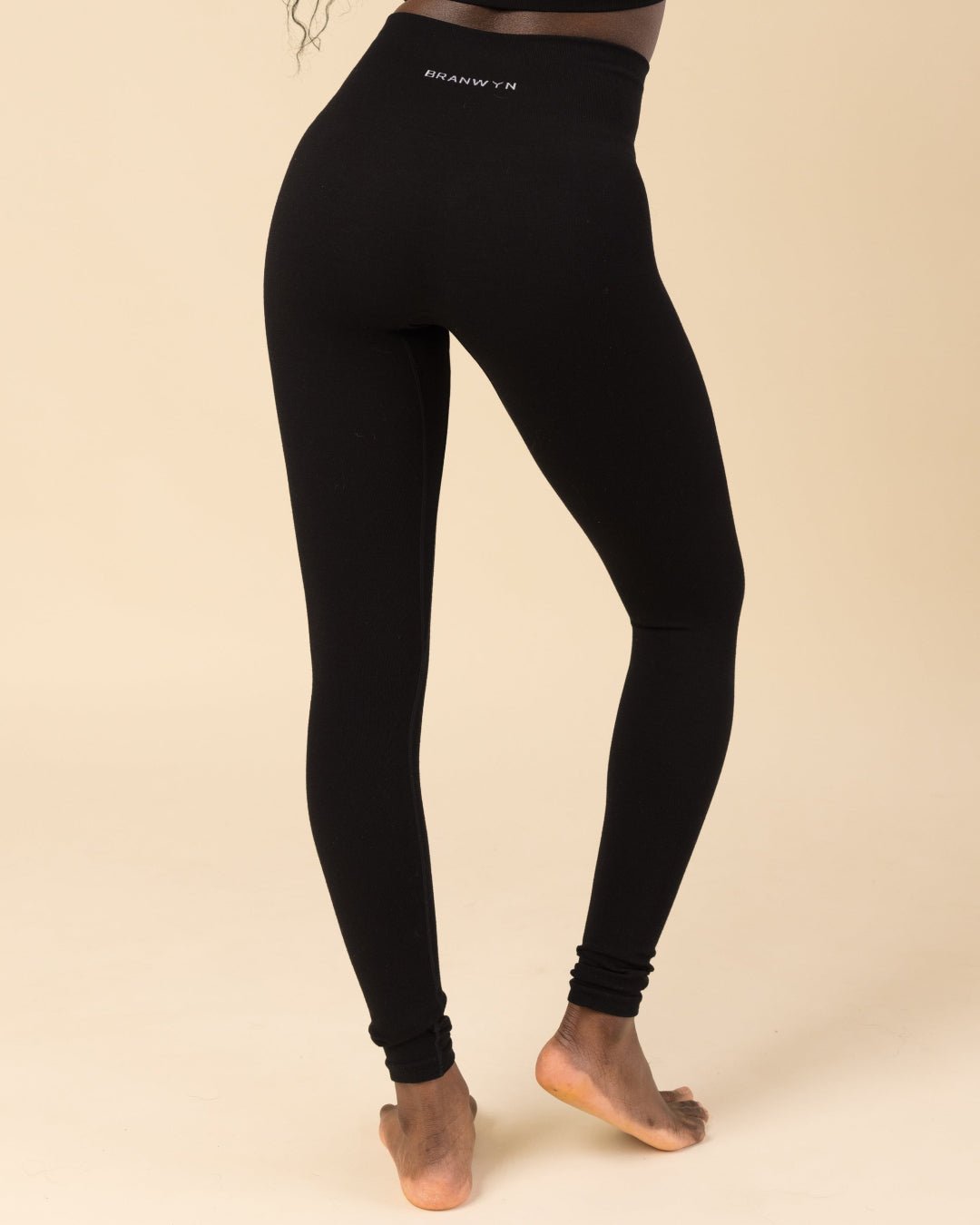
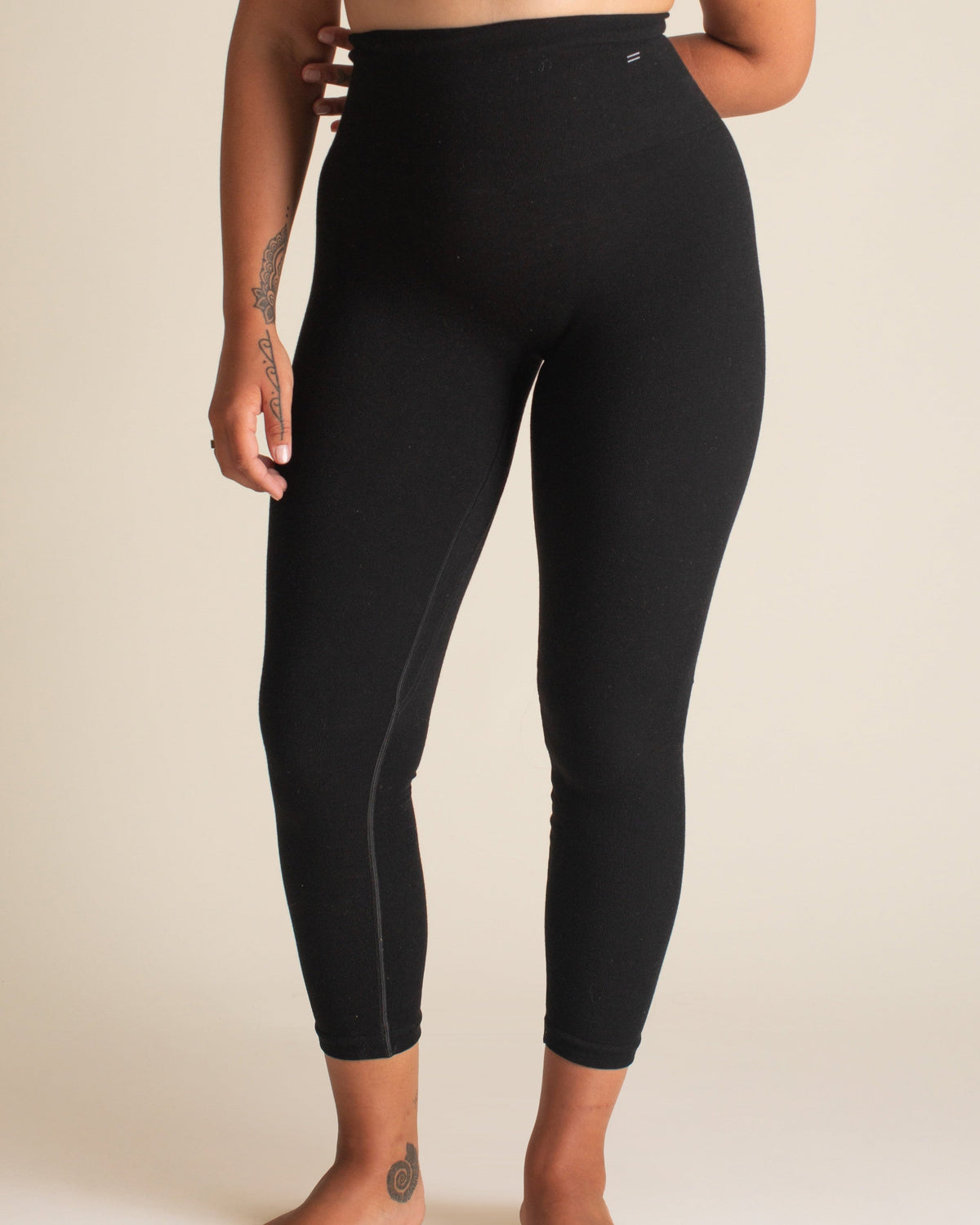
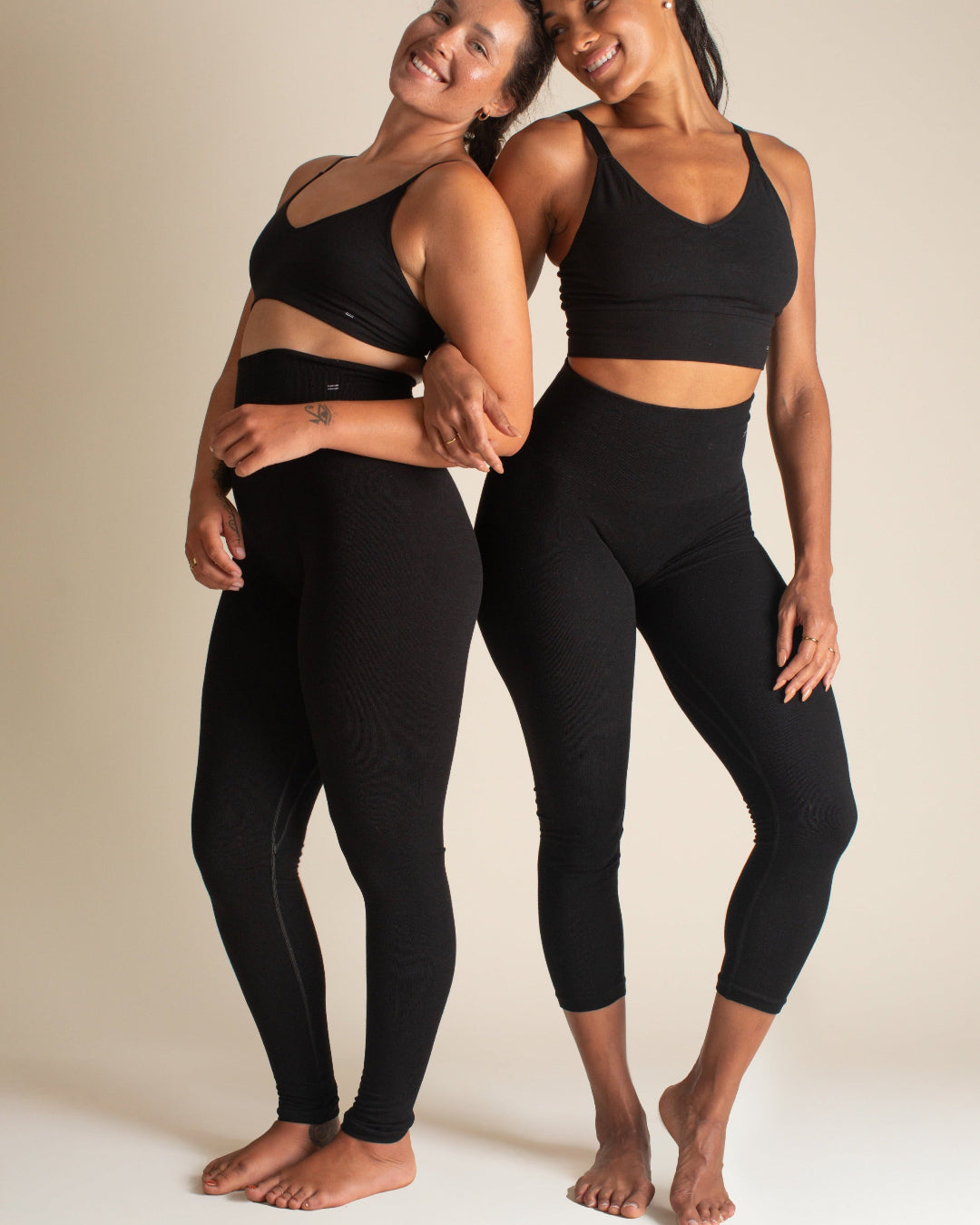
What’s interesting is that natural fibers themselves are nothing new. Humans have been relying on them for centuries to protect themselves against the elements. However, there’s a growing appreciation of the benefits of these fibers—especially Merino wool—for its incredible ability to regulate body temperature, fight odor, and more. Plus, there are new advancements in garment construction technology, like BRANWYN’s seamless Merino wool construction for one, that help to make clothing made from these fibers easier to wear than ever before.

Benefits of Natural Fibers
At the most basic level, natural fibers work with the body instead of against it. Because they come from plants or animals, their structure is inherently breathable, flexible, and responsive to change. Many natural fibers allow air to circulate, unlike synthetic materials which tend to trap body heat and odor, too.
They’re also a healthier choice for our bodies and our earth. Natural fiber clothing is biodegradable. Just like any plant or animal matter, it’s made of atmospheric carbon which releases valuable nutrients back into the soil (rather than microplastics).
Polyester, nylon, and acrylic are all petroleum-based materials—essentially forms of plastic, which can also carry harmful chemicals like PFAS and BPA. As conversations around microplastics, over-washing, and longevity pick up steam, more people are reconsidering what they want closest to their skin. Natural fibers offer a return to materials that feel better, age better, and ask less of your body and the planet over time.
It’s important to note that not all natural fiber clothing is created with sustainable standards in mind. As you shop, look for certifications like OEKO-TEX® (for all fibers) and ZQRX™ (for Merino wool), which verify higher standards for fiber sourcing, animal welfare, and environmental stewardship.

Why Merino Wool Reins Supreme
Different fibers have different strengths—some even say different frequencies. Cotton is soft against the skin, a great choice when you’re relaxing and comfort is key. Airy and breathable linen feels especially nice in the summertime, while silk offers a luxurious look and feel.
What about bamboo? There’s some debate around whether bamboo should be classified as a natural fiber. While it's derived from the natural (and rapidly renewing) bamboo plant, in order to be made into fabric the pulp needs to be dissolved by harsh chemicals, which many argue degrades its “natural” value both for our bodies and for the planet.
However, if natural fibers had a royal court, when it comes to performance, Merino wool would sit firmly on the throne. Long before technical fabrics existed, wool, a naturally active fiber, was already solving the problems modern clothing still struggles with today.
Merino wool’s power starts at the fiber level. Each strand is naturally crimped, creating tiny air pockets that help regulate temperature in both directions. When it’s hot out, it can help you stay cool. When it’s cold, the structure will help you warm up. It feels like advanced science, but it’s really just nature at work.
Then there’s moisture. Wool can absorb vapor before sweat ever turns clothing damp, pulling it away from the skin deep into the core of the fiber so that it still feels dry to the touch. This is what allows wool to perform across seasons and activity levels—from slow mornings to full-body effort—without feeling sticky, overheated, or uncomfortably chilled.
Odor resistance is another place wool shines. Thanks to its natural structure, wool discourages the growth of odor-causing bacteria, allowing garments to be worn repeatedly between washes. That means it doesn’t just help you smell better, it extends the life of the clothing itself and reduces the constant cycle of washing and wearing down fabrics.
Merino wool isn’t just good for our bodies. It’s gentler on the planet, too. Because sheep naturally need to be sheared, Merino wool is a renewable resource that regrows year after year. It also requires far less water than cotton, an irrigation-dependent crop that demands enormous amounts of water for every single T-shirt produced.
Wool follows a fundamentally different path: sheep graze on rain-fed grasslands rather than irrigated fields, relying on existing ecosystems instead of intensive water systems. From a land-use perspective, wool works with the landscape—sheep can thrive on natural greenspace—while plant-based fibers like cotton and linen (flax) require clearing, planting, and ongoing agricultural inputs.

See How Different Natural Fibers Stack Up: Temperature Regulation
|
Merino wool |
Cotton |
Linen (Flax) |
Silk |
|
|
Environmental Standards |
Renewable, Biodegradable, Recyclable, Carbon-Negative | Natural, Biodegradable | Natural, Biodegradable | Natural, Biodegradable |
|
Water & Resource Use |
Low water use; rain-fed grazing; fewer washes | Very high water use; irrigation-dependent |
Moderate water use; cultivated farmland |
Moderate resources; labor-intensive |
|
Durability & Care |
Very durable; low-wash care | Moderate durability; frequent washing | Wrinkles easily; frequent washing | Delicate; high-maintenance care |
|
Temperature Regulating |
Excellent; adapts to heat & cold | Low; stays damp and cold when saturated | Moderate; breathable but less adaptive | Moderate; less adaptable |
|
Odor-Resistance |
Naturally odor-resistant | Low; holds odor | Low-moderate | Low |
|
Moisture-Wicking |
Excellent; traps vapor before sweat forms | Low | Moderate | Low |
Let’s Make This Permanent Switch
Trends in clothing come and go, but at BRANWYN we believe this isn’t a moment. It’s truly a movement that will continue to reshape what we wear. As more people become aware of the wonderful benefits of Merino wool, we hope that the shift continues, building a better future for our bodies and our earth. Once you feel the difference, it’s hard to imagine switching back!
Want more tips on how to make the switch to natural fibers? Check our expert-led blog! We also love to hear your feedback. Please email us anytime at info@branwyn.com or DM us on Instagram at @branwynofficial.