
If you have spent any time sweating outdoors, you’ve probably encountered this common nuisance. It thrives anywhere moisture and friction meet, often appearing at the worst possible moment. You might first spot it between your thighs on a humid afternoon walk or around mile eight of a half marathon, when every step suddenly feels like sandpaper against your skin. Sometimes it lurks unnoticed until you step into the shower and the sting of water makes you shout.
We're talking about chafing: the irritation that develops when repetitive friction and moisture team up against your skin. Depending on the severity, it can range from a minor annoyance to a painful, raw rash. For active women, it can seem like an unavoidable part of the adventure. Fortunately, that's rarely true.
Consider this your field guide to chafing with tips on battling it naturally everywhere it likes to hide.
The Basics
Chafing can happen anywhere friction occurs to the skin’s outermost layer called the stratum corneum. This protective barrier is made up of tightly packed skin cells held together by lipids, creating a shield that helps lock in moisture and keep irritants out. Under normal conditions, this barrier is remarkably resilient. But when skin or clothing repeatedly rubs against the same area, microscopic damage starts to accumulate.
Moisture makes the problem worse, as sweat softens the outer layer of the skin, making the barrier more vulnerable to breakdown. As the skin's protective surface becomes compromised, inflammation follows. Blood flow increases, nerve endings become more exposed, and the area can quickly progress to the burning sensation we recognize as chafing.
Chafing will usually go away with rest. Keeping the area clean and dry can help prevent infection, but your best defense is preventing the hot spot before it becomes a problem.

3 Steps to Prevent Chafing Almost Everywhere
There are specific tips to prevent chafing in different affected areas—more on that later—but no matter where chafing pops up, it can be prevented by taking steps to reduce the underlying causes: friction and moisture. Here are some basic rules of thumb:
1. Choose close-fitting clothing with minimal seams. When it comes to preventing chafing, your clothing can be either the culprit or the cure. Close-fitting layers move with your body, reducing both fabric-on-skin and skin-on-skin friction.
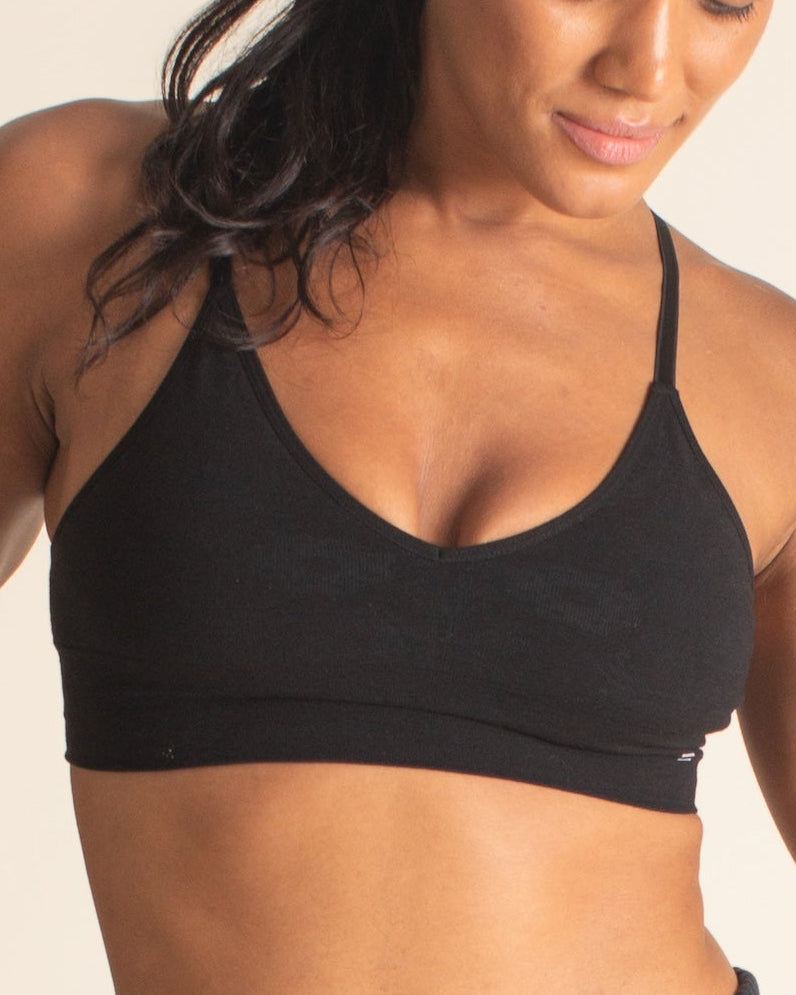
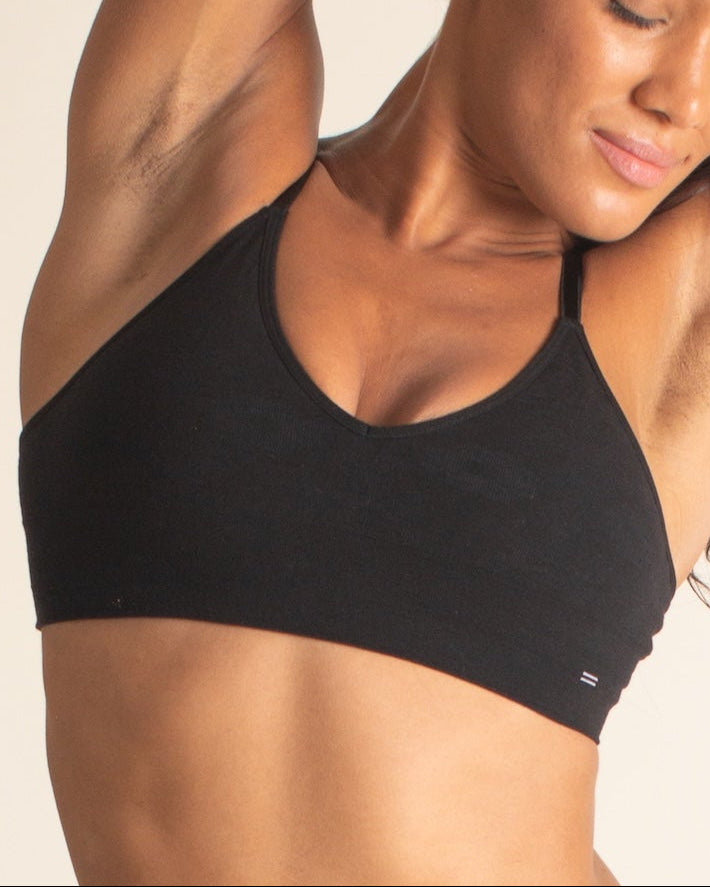
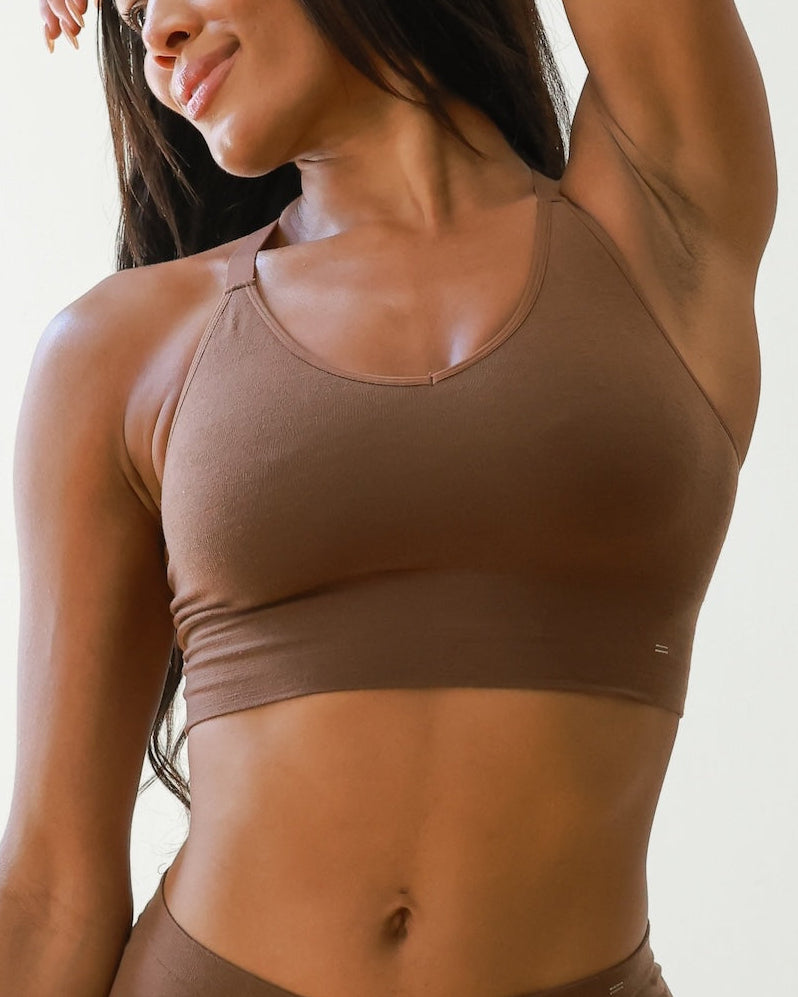
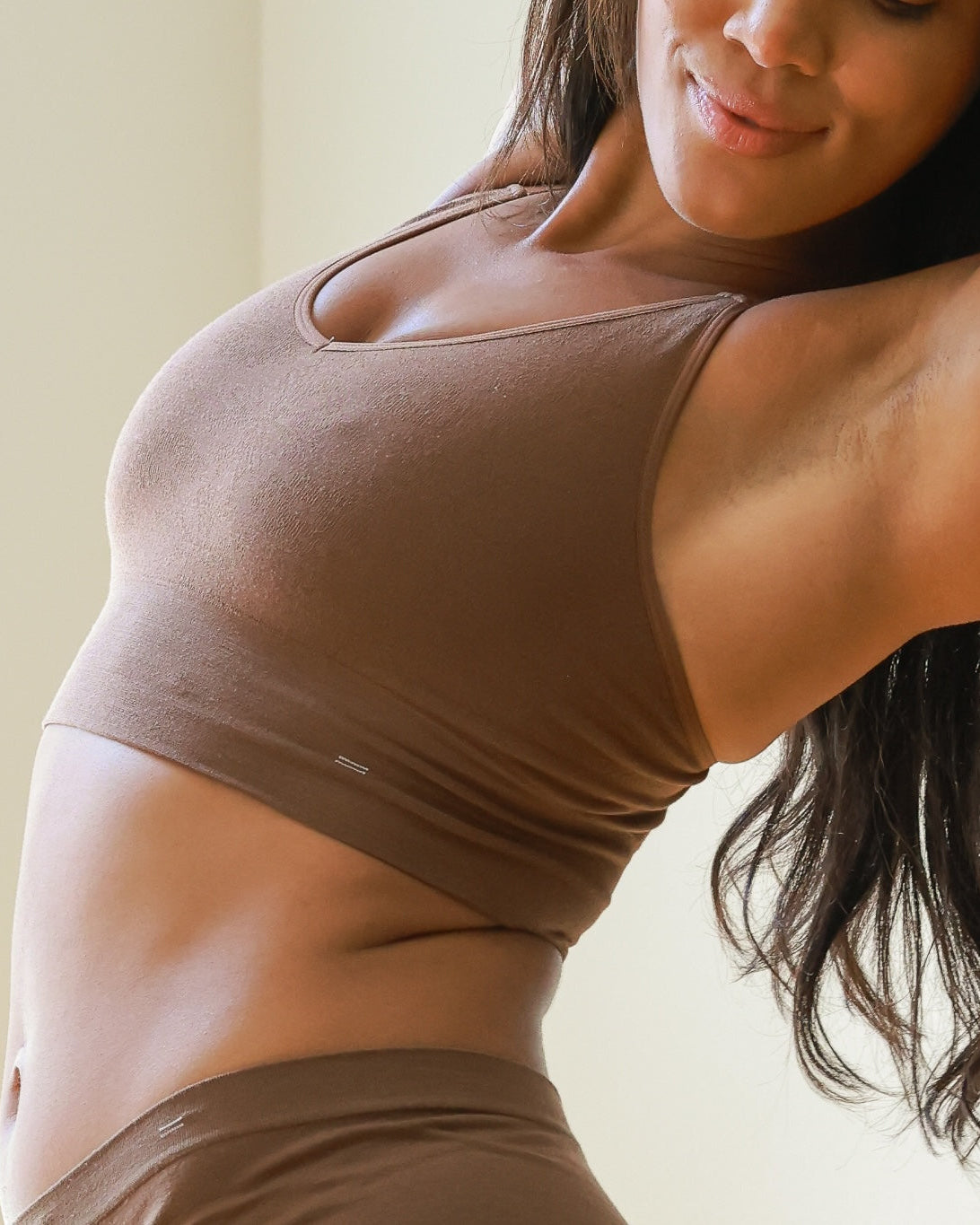
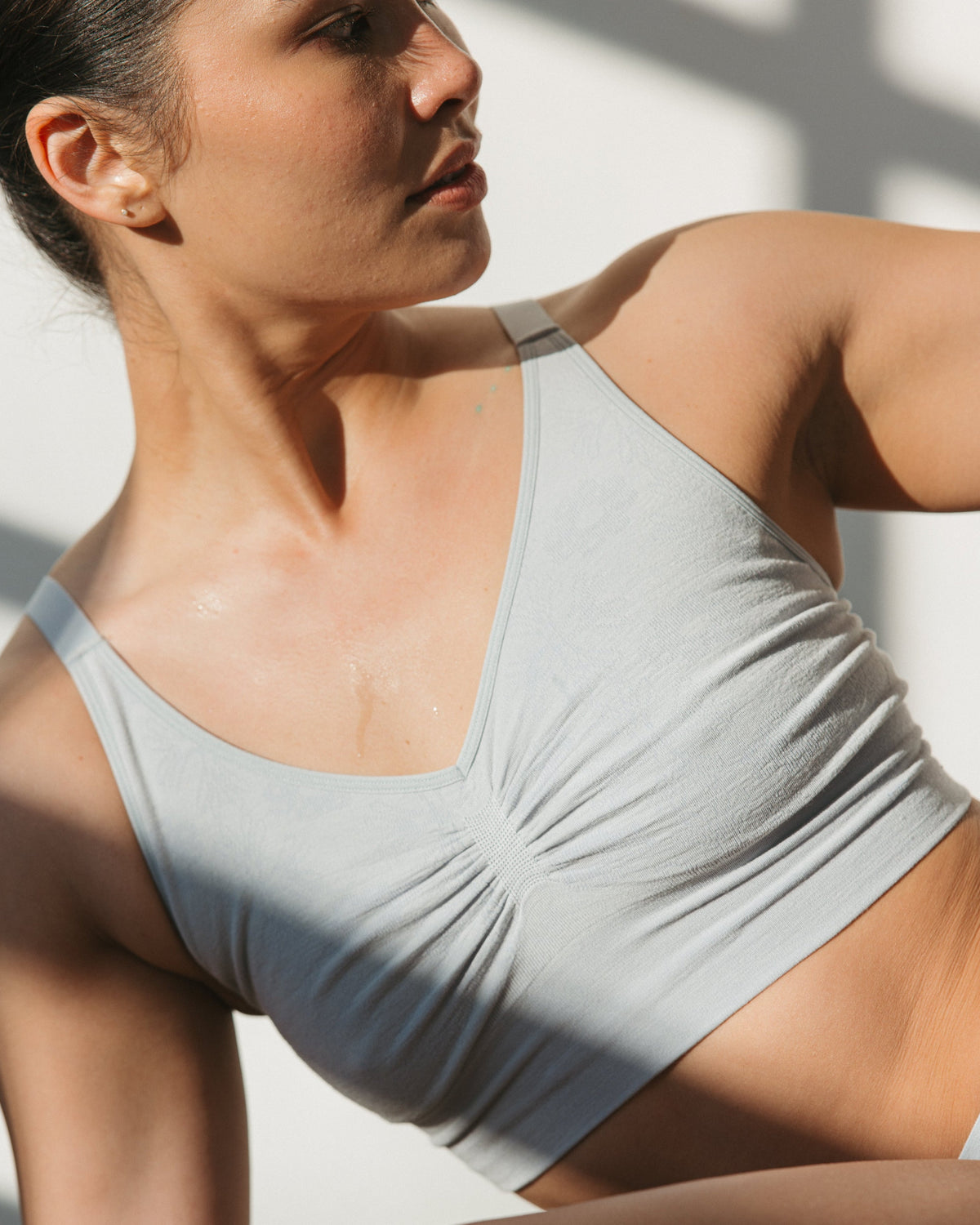
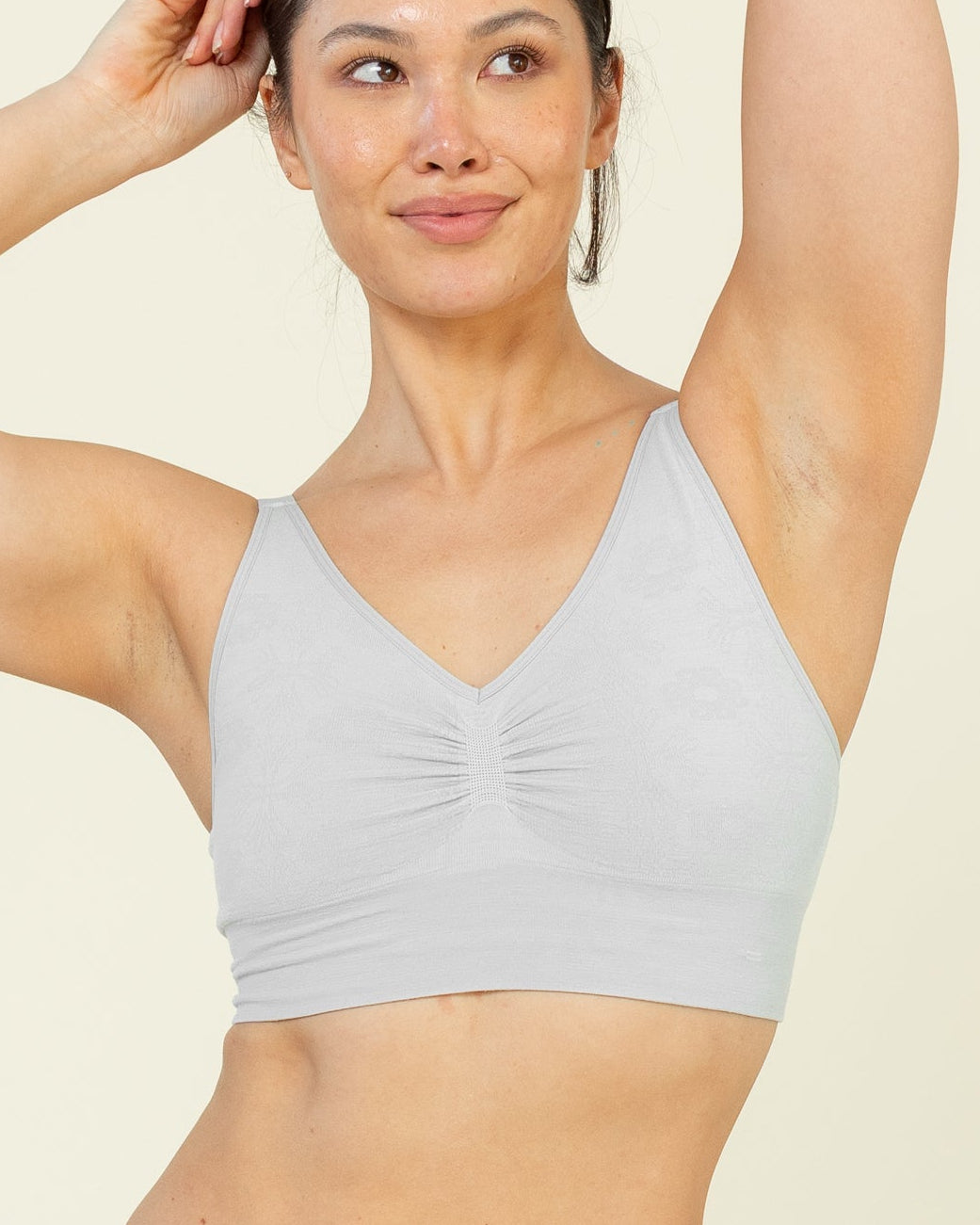
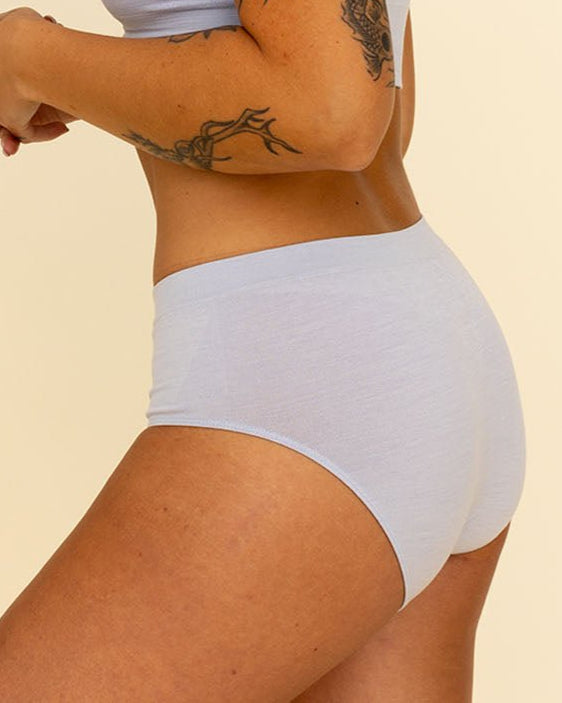
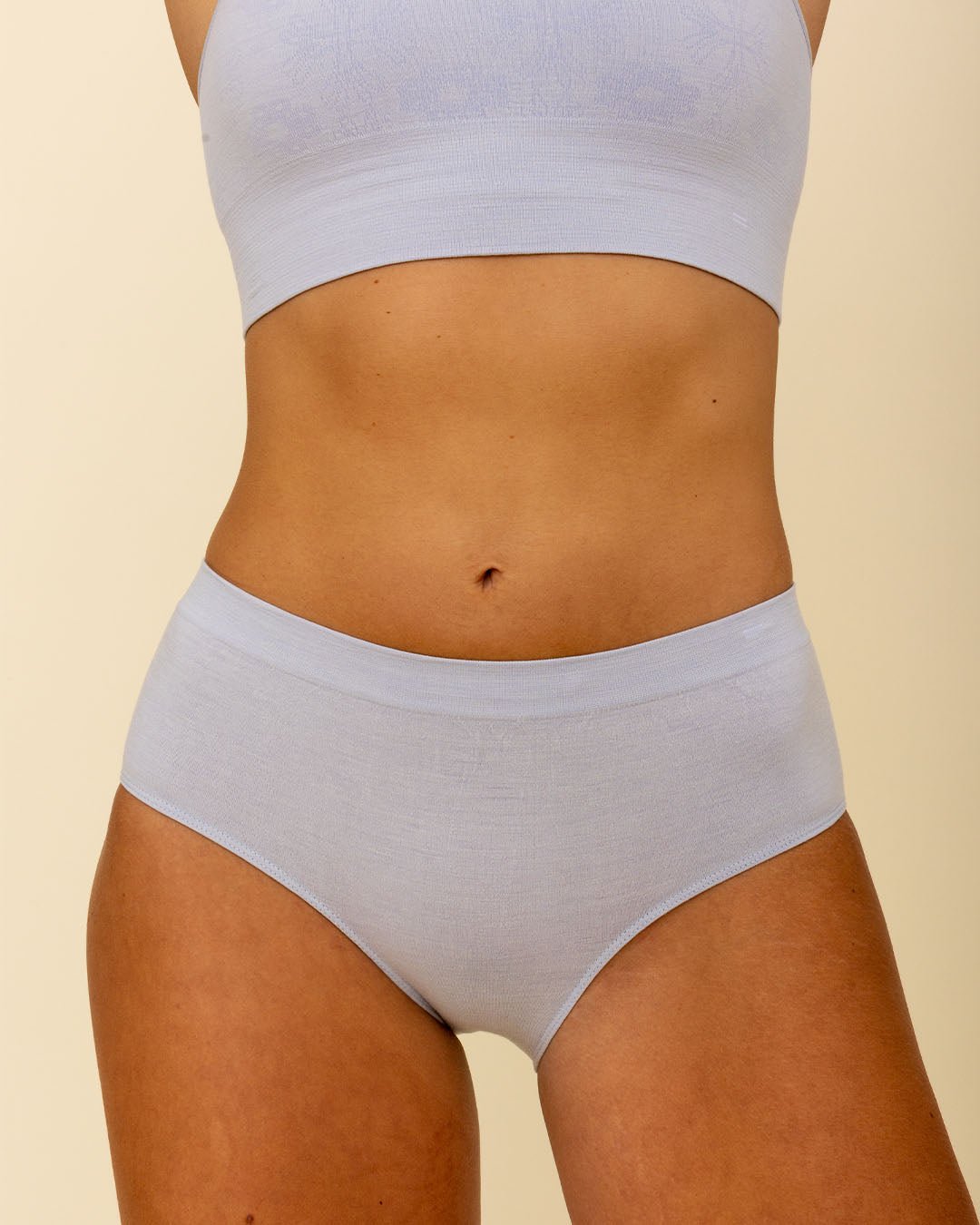
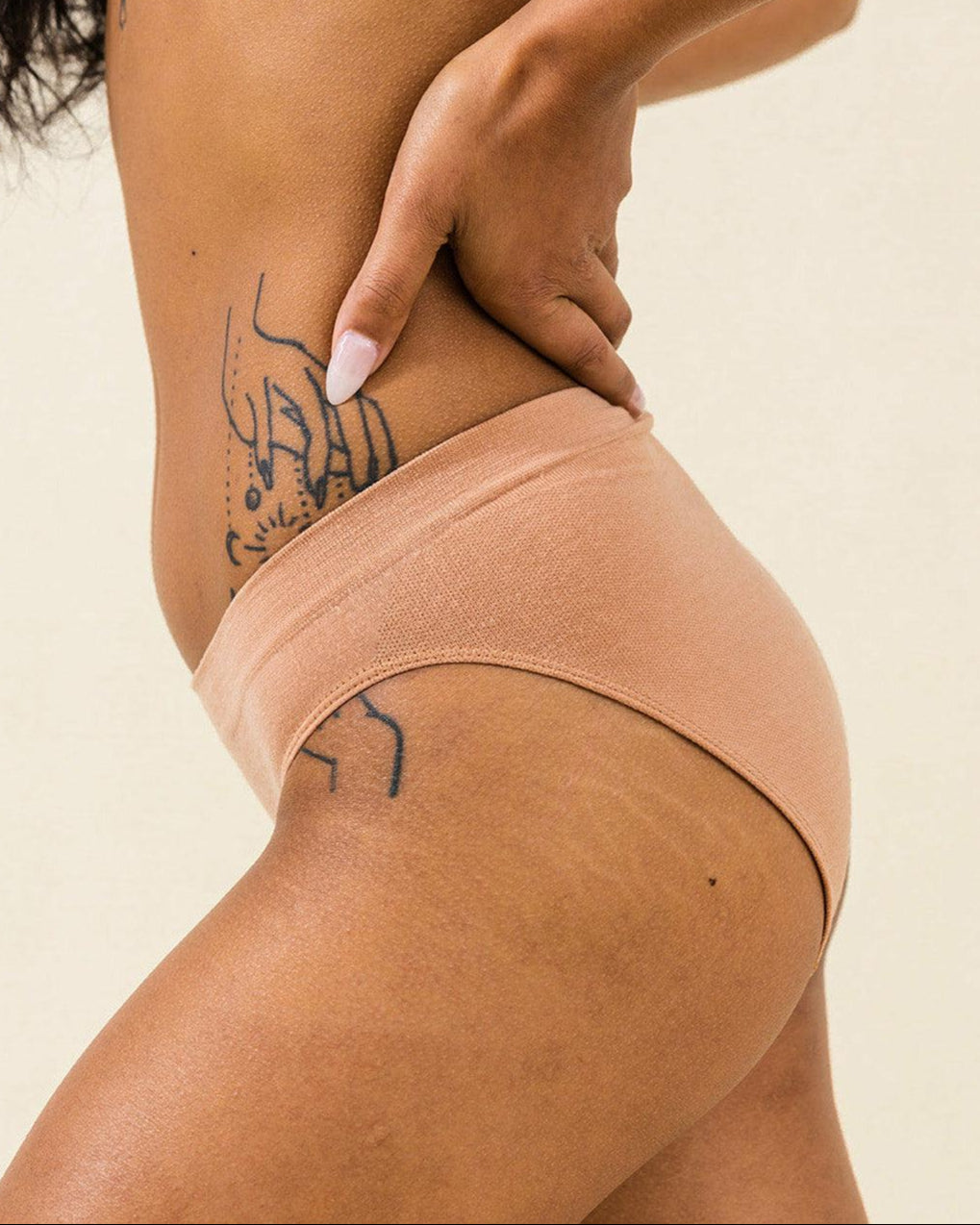
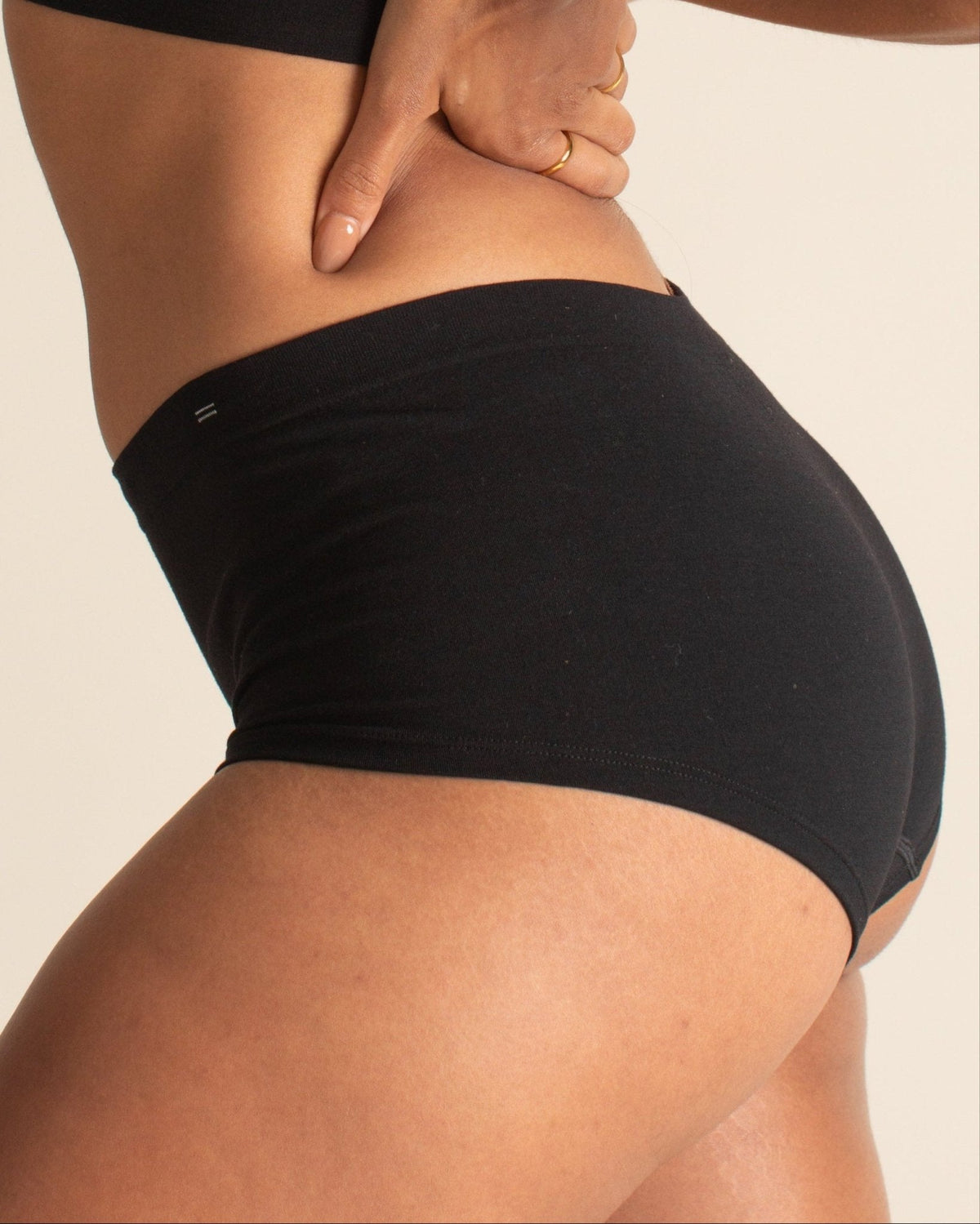
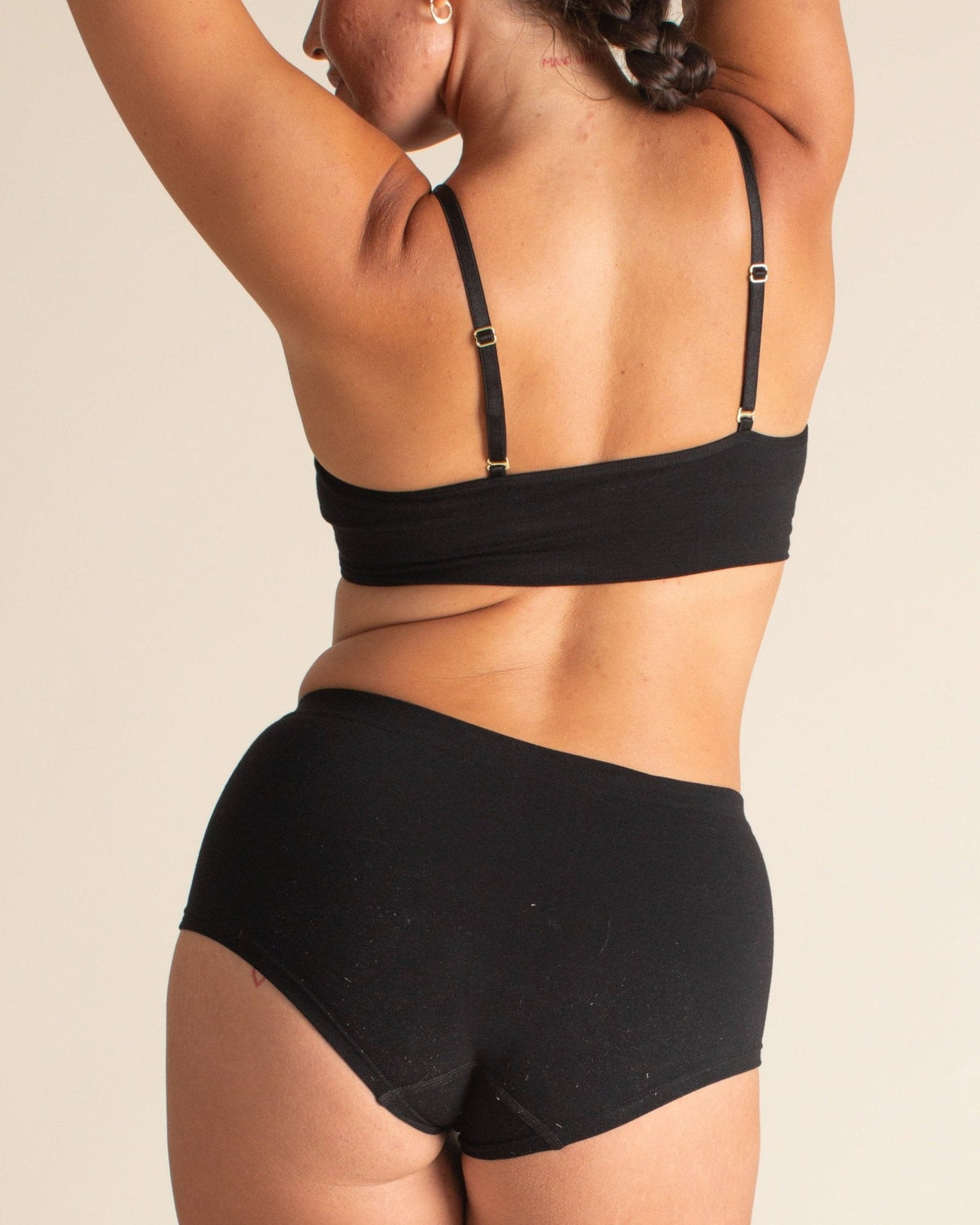
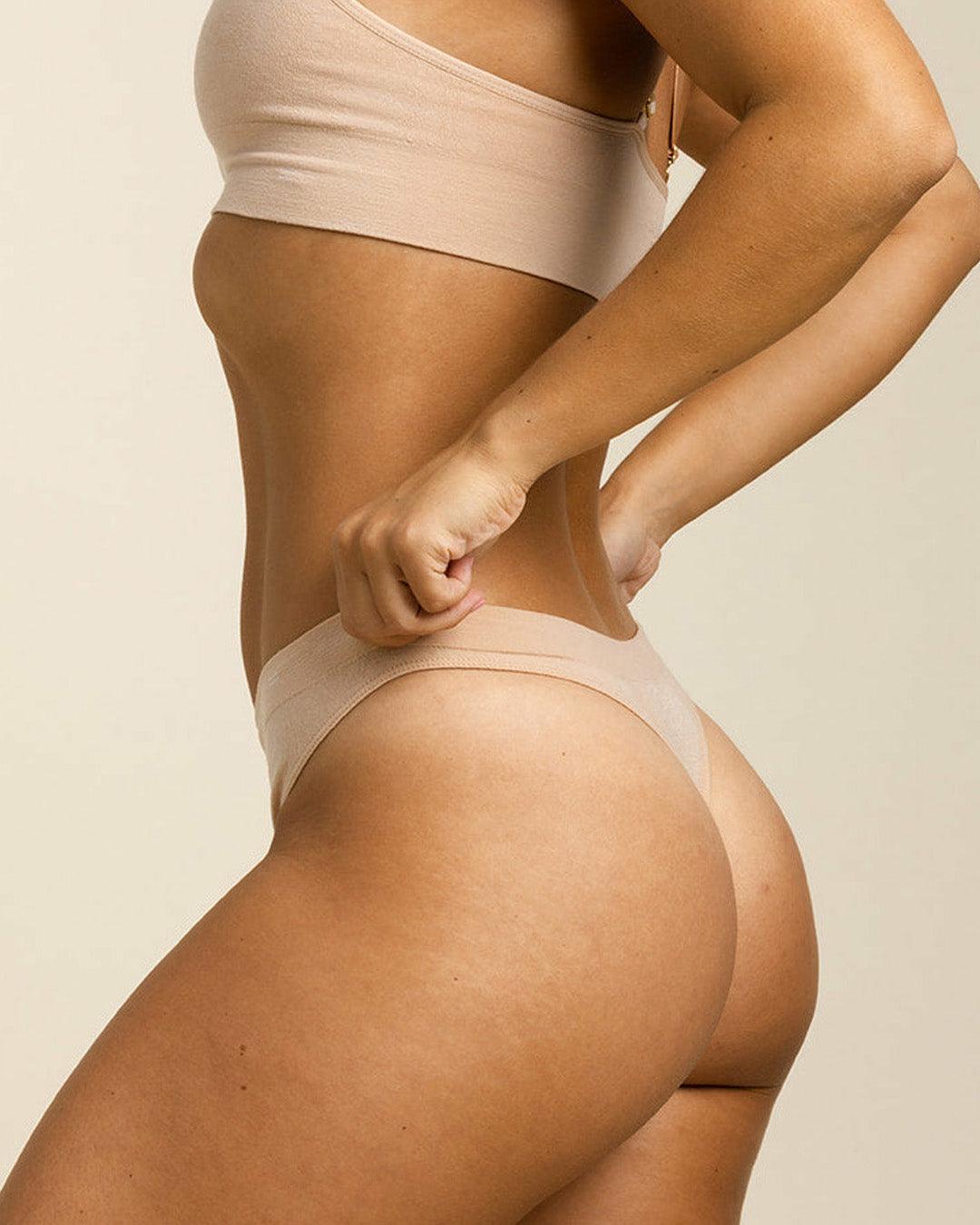
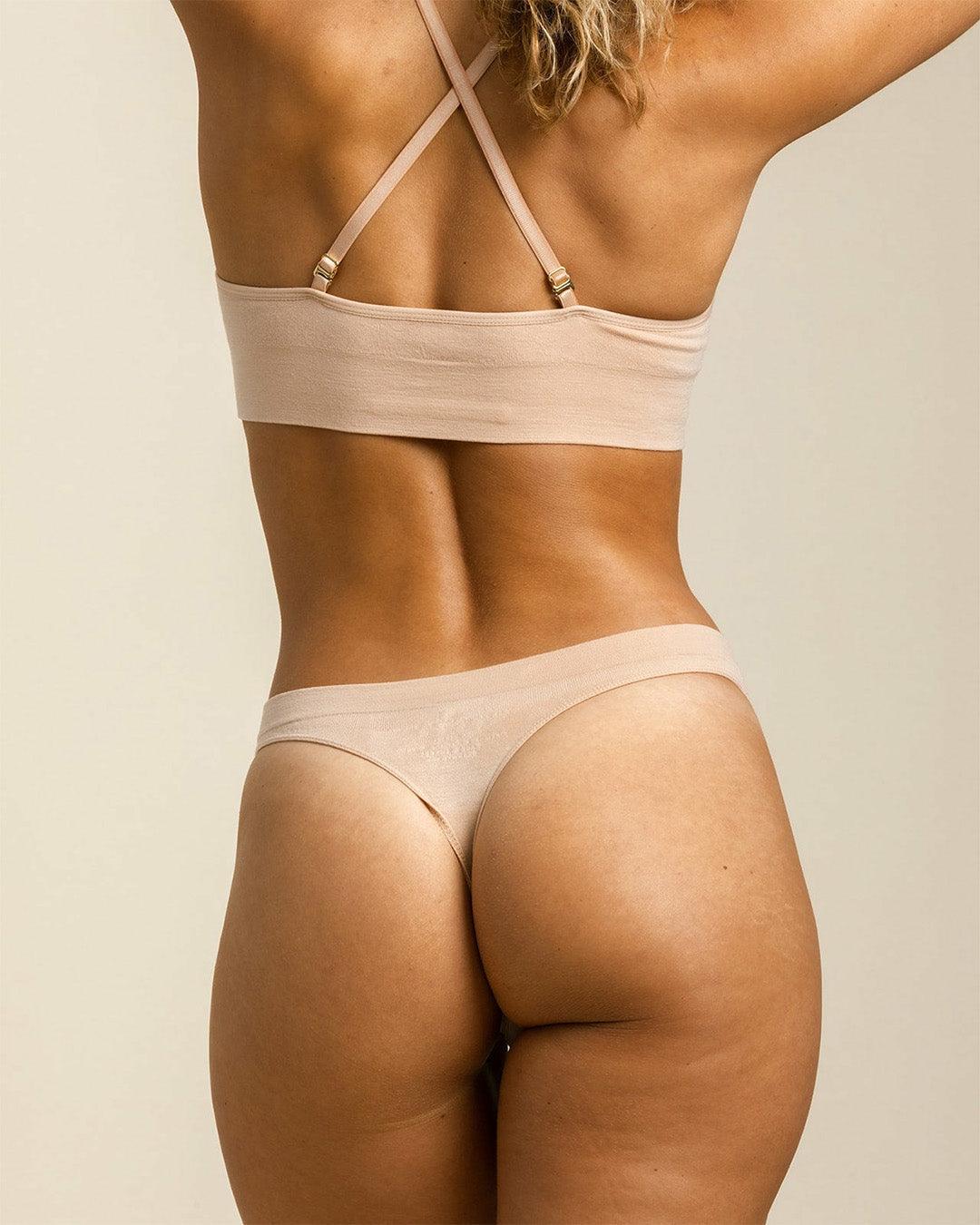
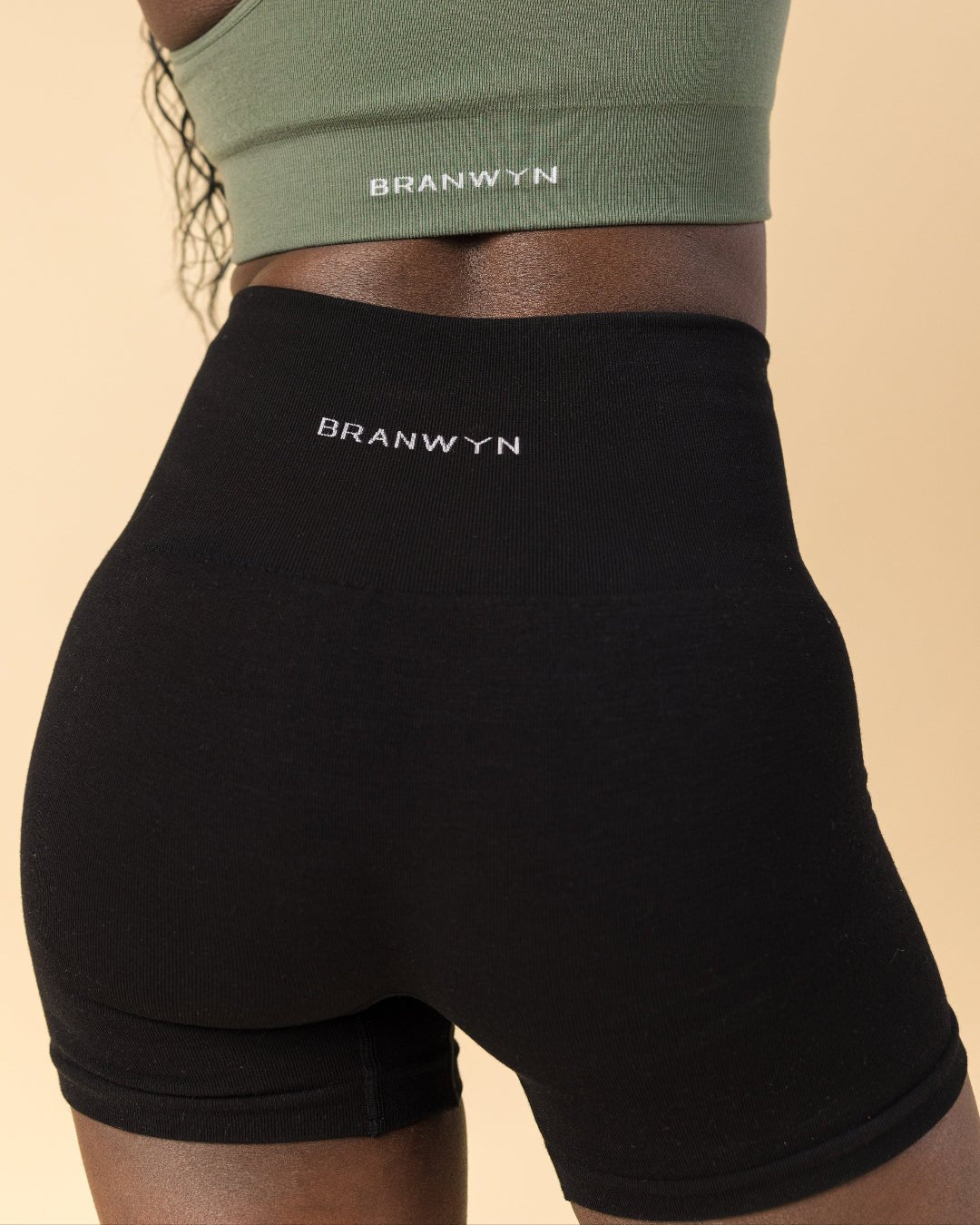
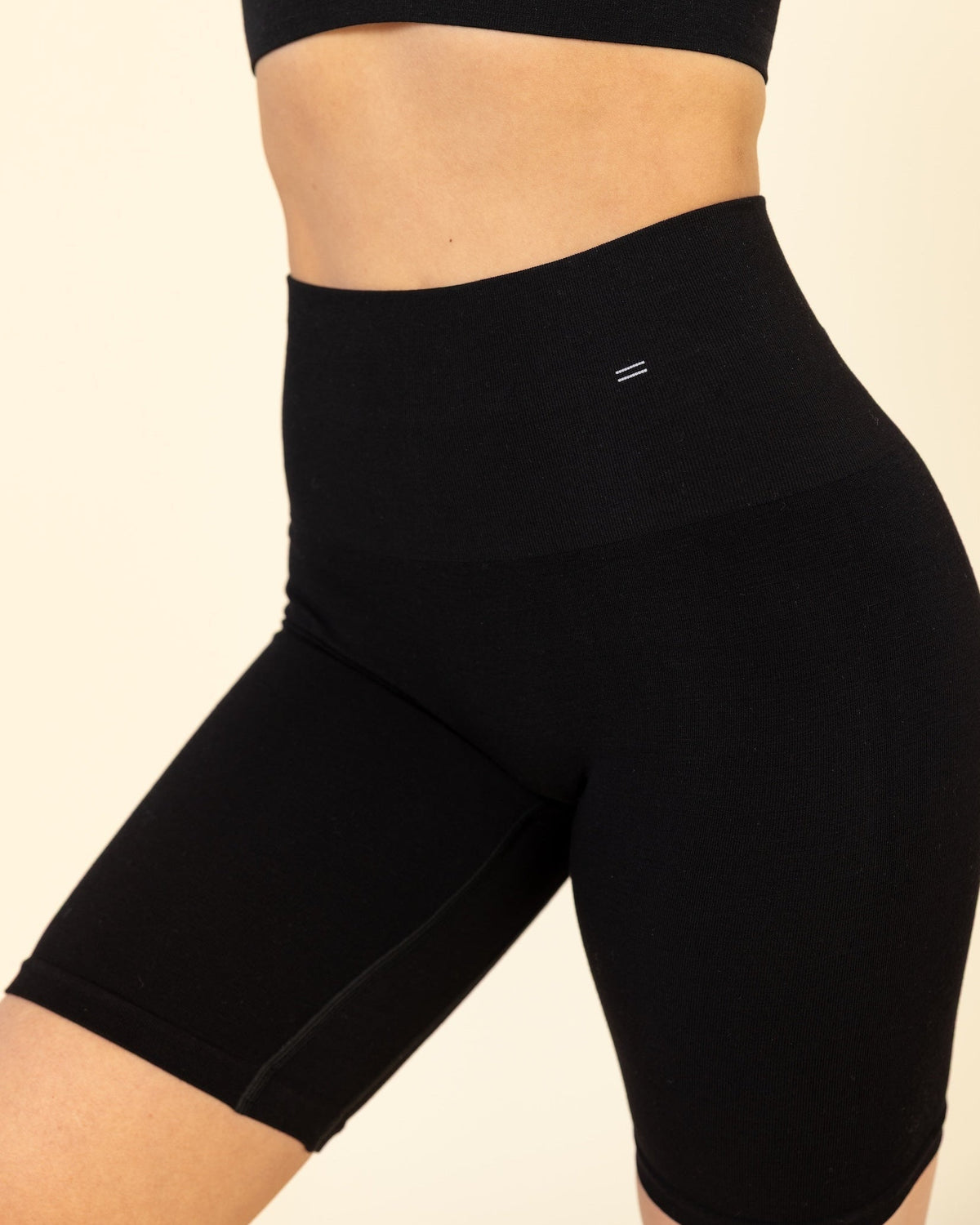
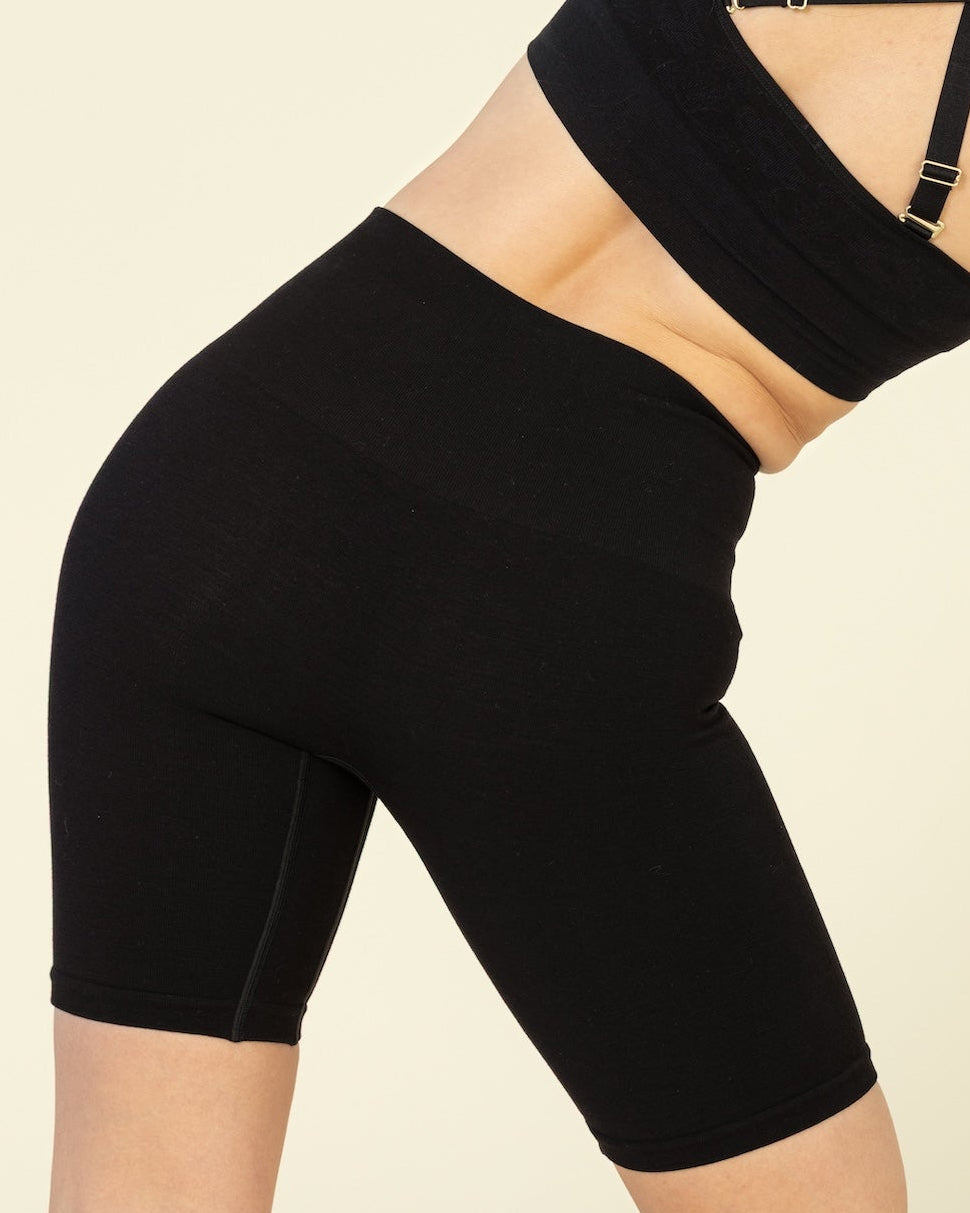
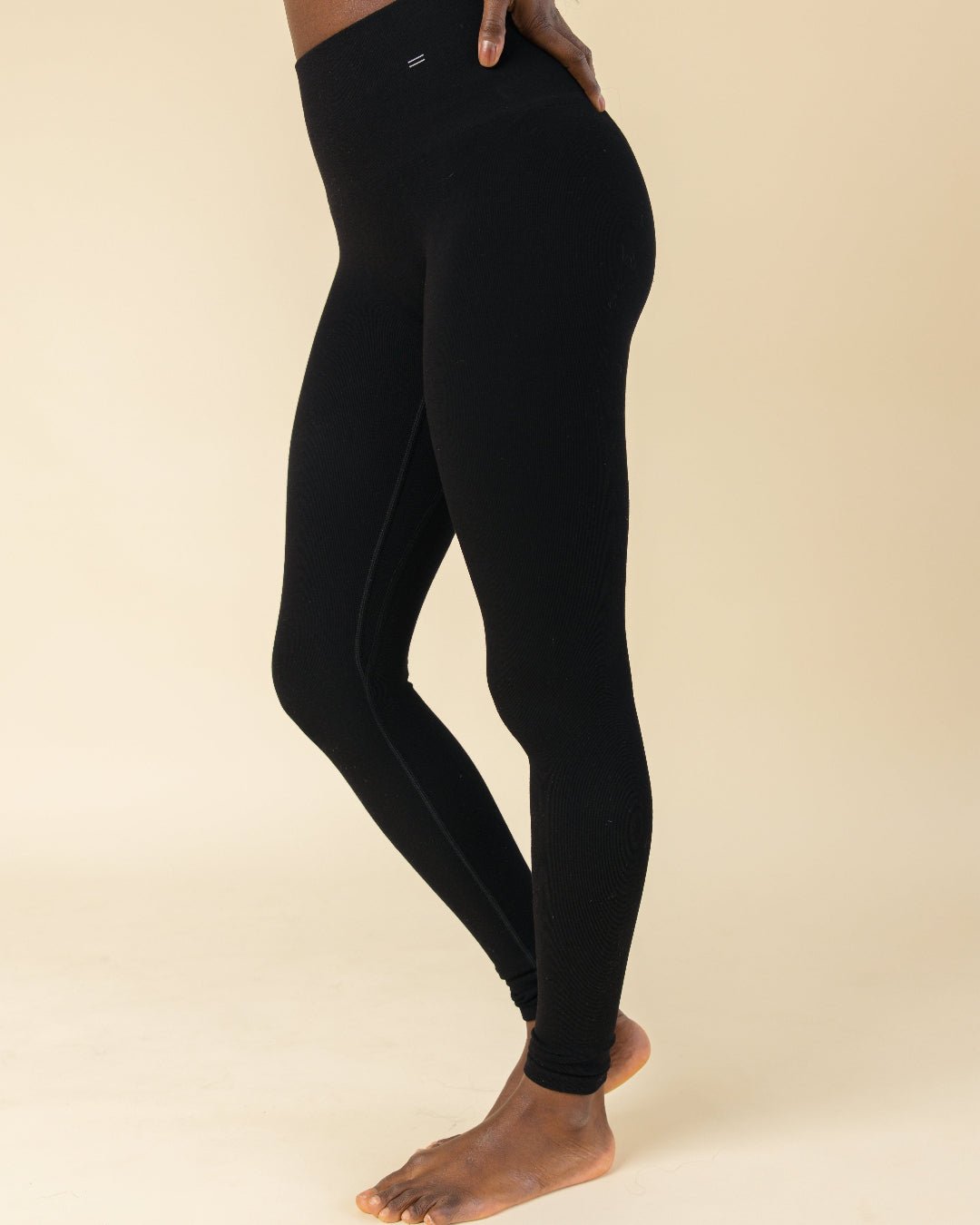
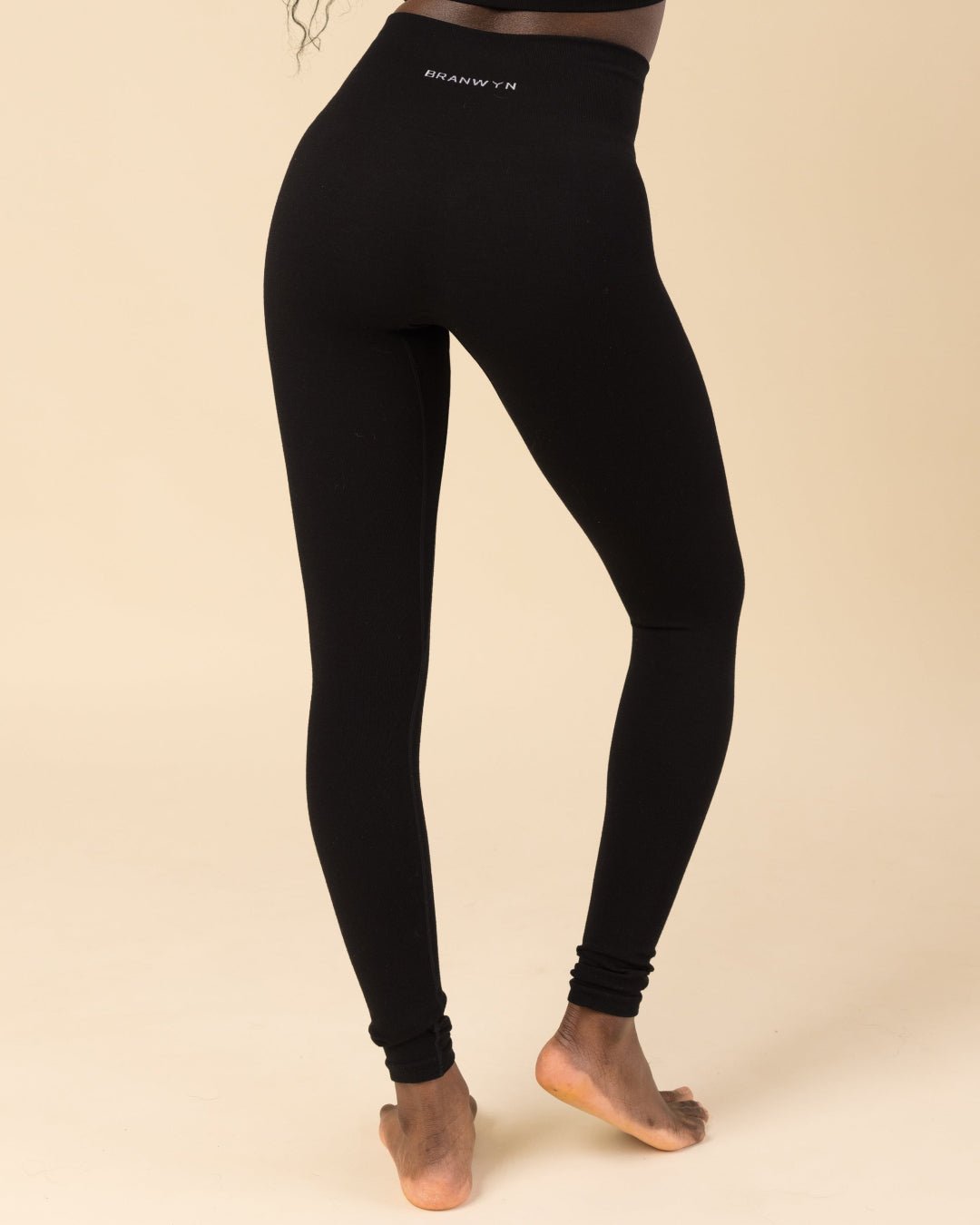
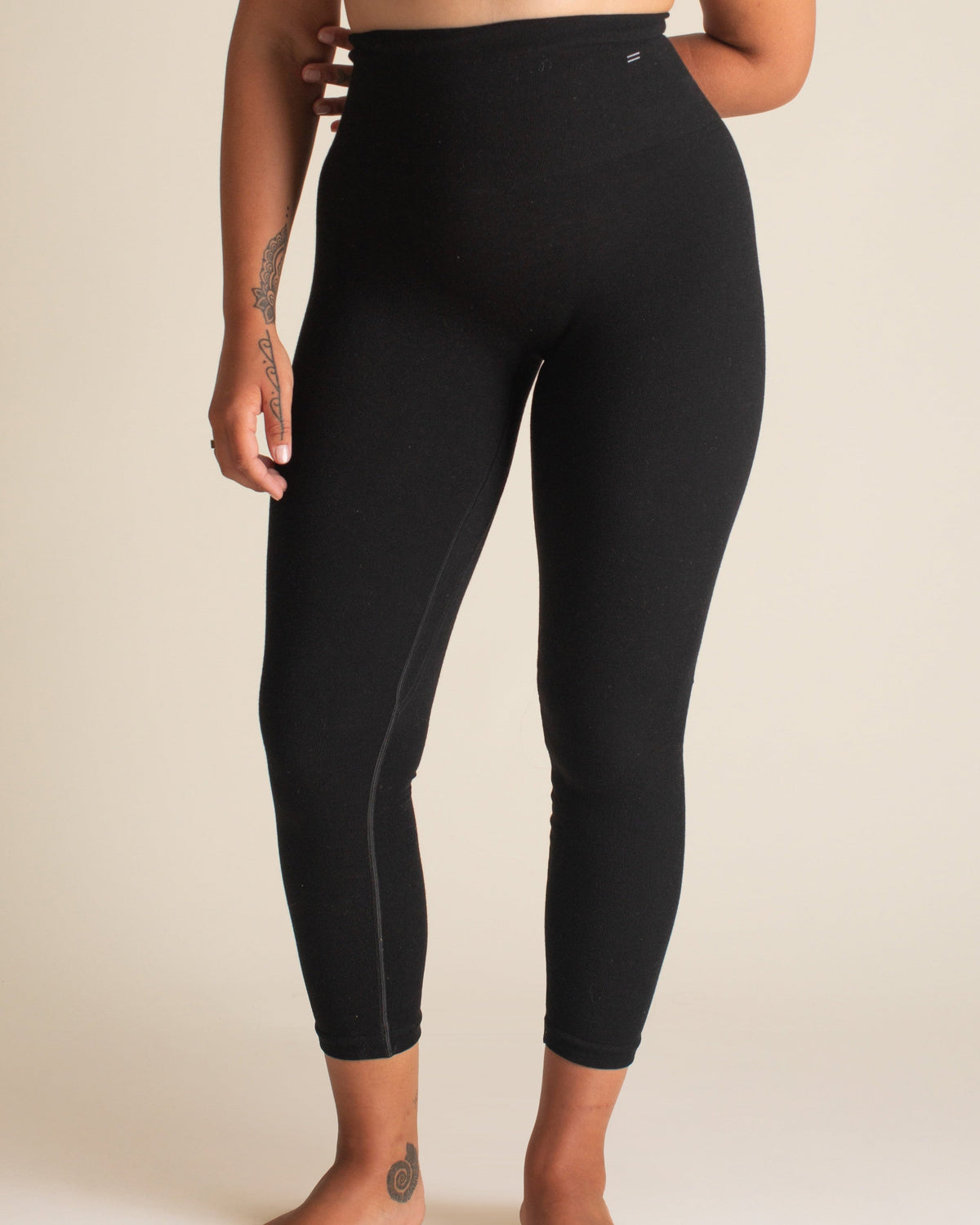
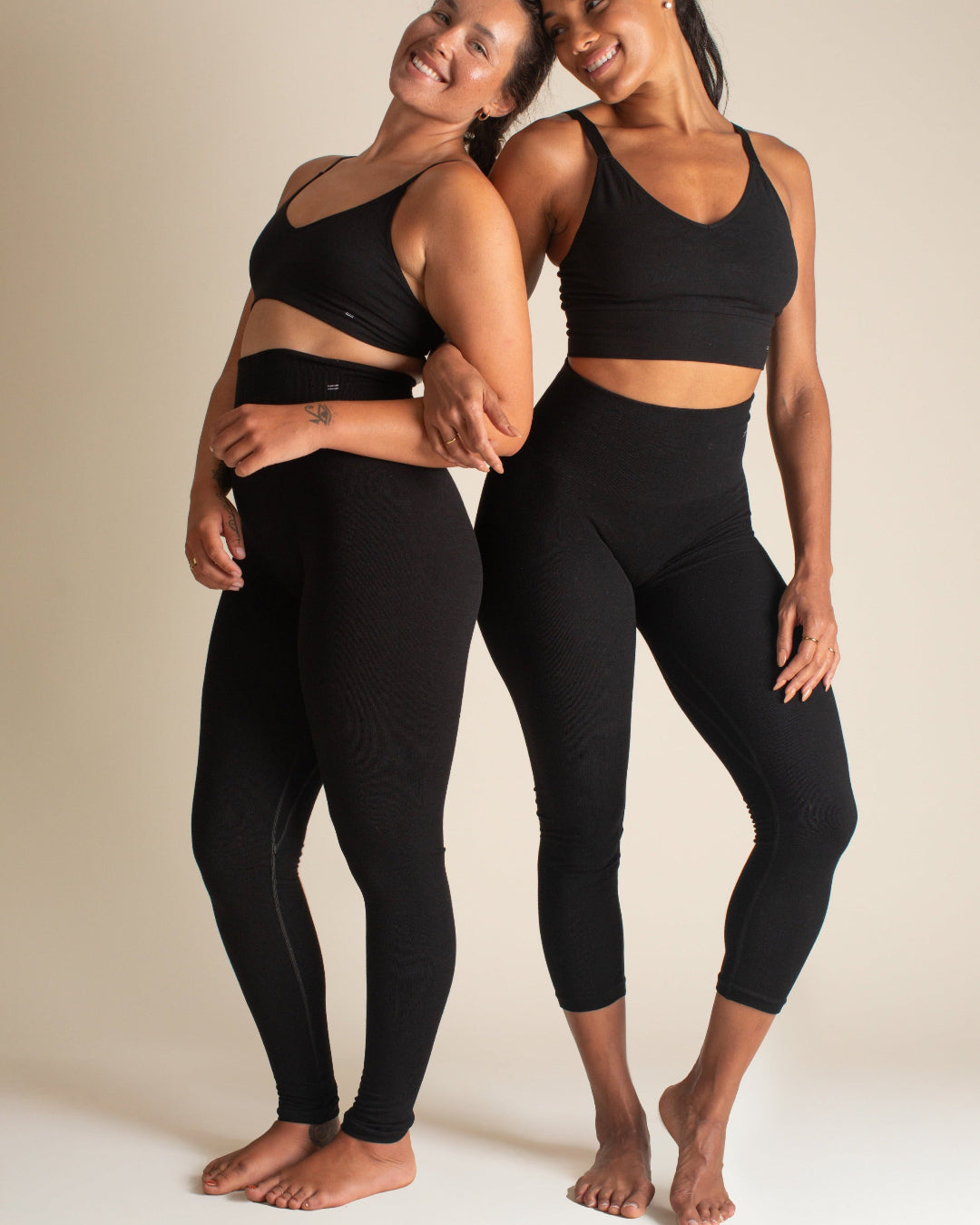
Seams can also create irritation, especially over long distances, so fewer seams generally means fewer opportunities for hot spots to develop. BRANWYN's seamless Merino wool underwear and activewear is knit into three-dimensional tubes using advanced knitting technology, creating garments that conform closely to the body without the friction points of traditional seams. The result is a second-skin fit designed to help keep you comfortable through miles of movement.
2. Opt for Merino wool for moisture management. Since moisture is one half of the chafing equation, managing sweat is critical. Merino wool can absorb moisture vapor before it condenses into sweat on the skin, helping maintain a drier microclimate next to the body. The fibers can also draw existing moisture away from the skin and into their core, reducing the dampness that contributes to friction. Combined with Merino wool's natural breathability and temperature-regulating properties, this helps limit the buildup of heat and moisture that often leads to irritation.
3. Apply a natural barrier to reduce the rub. Using a balm or powder as an extra layer of protection can be helpful for especially sensitive spots. Natural options like coconut oil and shea butter help reduce friction by creating a smooth surface between your skin and whatever is rubbing against it. A quick application before a run, hike, or long day outside can help keep hot spots from developing into full-blown chafing.
Powders like cornstarch or kaolin can also work in certain situations to absorb moisture to keep the area dry. However, heavy application combined with heavy sweating can create a paste that can exacerbate the issue, so use with caution, especially in sensitive areas.
A Head-to-Toe Guide to Chafing Prevention
While the fundamentals of chafing prevention are the same everywhere, each part of the body comes with its own challenges. Consider these targeted strategies for the areas where chafing tends to strike most often.
Inner thighs

One of the most common chafing hotspots, the inner thighs can go from comfortable to painfully raw in just a few miles. Once irritation sets in, every step can make it worse.
Prevention techniques:
-
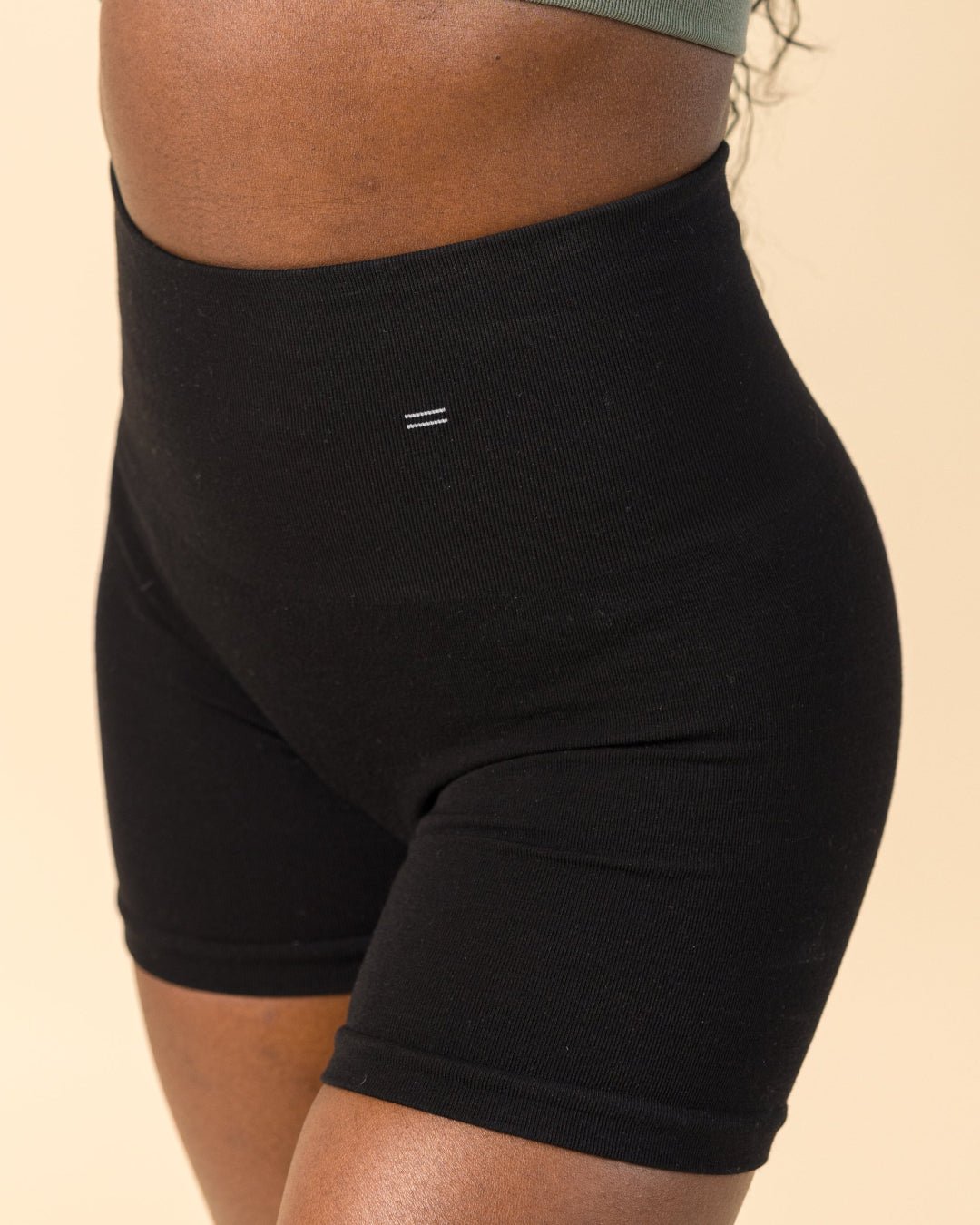
Wear bike shorts or tights. Choose fitted shorts or tights that completely cover the area of skin where your thighs touch to prevent damp skin from rubbing together. The Essential Compressive Shorts and Essential Compressive Leggings are exceptional options for keeping chaffing at bay thanks to seamless Performance Merino wool. As one BRANWYN wearer put it about her bike shorts: “My first time wearing these I went for a 16 mile hike on a warm day and WOW. I didn’t experience any chafing for a girl with thighs.”
-
Apply (and reapply) balm. Balm (like coconut oil) can be your best friend. Apply a layer before you go out the door and take a small jar or bag with you for extra long adventures to reapply as needed.
-
Pay attention to your hip belt while hiking. If you’re carrying a pack, make sure the hip belt and straps are properly placed. An off-kilter pack can alter your gait and increase thigh rubbing over long distances.
Crotch

The combination of heat, moisture, and repetitive movement makes the groin area especially vulnerable to chafing during outdoor adventures.
Prevention techniques:
-
Try seamless Merino wool underwear. Seams that seem insignificant at the trailhead can become major sources of irritation after a full day of hiking, running, or backpacking. BRANWYN’s seamless Merino wool design reduces friction while keeping moisture away from your most delicate skin.
-
Rotate clothing on multi-day trips. Pack an extra pair of underwear and alternate between the two to give each pair time to dry completely. Pro tip: If you're wearing Merino wool, hang the pair you’re not using in direct sunlight. UV rays can help reduce the microbes that thrive in damp fabric and may contribute to skin irritation and chafing over multiple days on the trail.
-
Consider the role of pubic hair. While grooming preferences are personal, removing pubic hair can sometimes increase friction by eliminating a natural buffer between skin surfaces. If you're prone to groin chafing, avoid making major grooming changes immediately before a big adventure.
-
For cyclists, pay attention to saddle fit. Chafing isn't always caused by clothing. A saddle that's too wide, too narrow, or improperly positioned can create pressure points and increase friction in sensitive areas. Make sure your bike fit is dialed in before heading out on long rides.
Feet

Nothing can derail an endurance day faster than an especially painful hot spot on your heel. Feet can get friction blisters fast and when they do, they can cause days of annoyance.
Prevention techniques:
-
Wear naturally moisture-wicking socks. Damp skin is more susceptible to friction. Merino wool socks help move moisture away from the skin and continue performing even when conditions are wet.
-
Try powder. A thin layer of cornstarch can help keep feet from getting overly sweaty.
-
Address hot spots immediately. At the first sign of rubbing, stop and investigate. A few minutes spent applying medical tape or adjusting your footwear can prevent a much bigger problem later.
Underarms

Underarm chafing can sneak up on you. What starts as a mild annoyance may turn surprisingly painful after hours of repetitive arm movement.
Prevention techniques:
-
Look for smooth armholes and minimal seams. Rough stitching or bulky seams around the arm opening can create friction with every swing of the arm. This goes for both tops and sports bras. Seamless bras made out of Merino wool can help avoid moisture buildup and uncomfortable rubbing.
-
Avoid tops that are too loose. Excess fabric can shift and rub repeatedly against the skin, especially when you're carrying a backpack. Try a closer fit like
-
Check pack fit. For hydration packs, weight vests, and backpacks, shoulder straps that sit too close to the underarm can create unnecessary friction.
Breasts

Boob sweat works wonders to keep our core cool, but heat, moisture, and skin-on-skin contact can create a warm, damp microclimate where irritation thrives.
Prevention techniques:
-
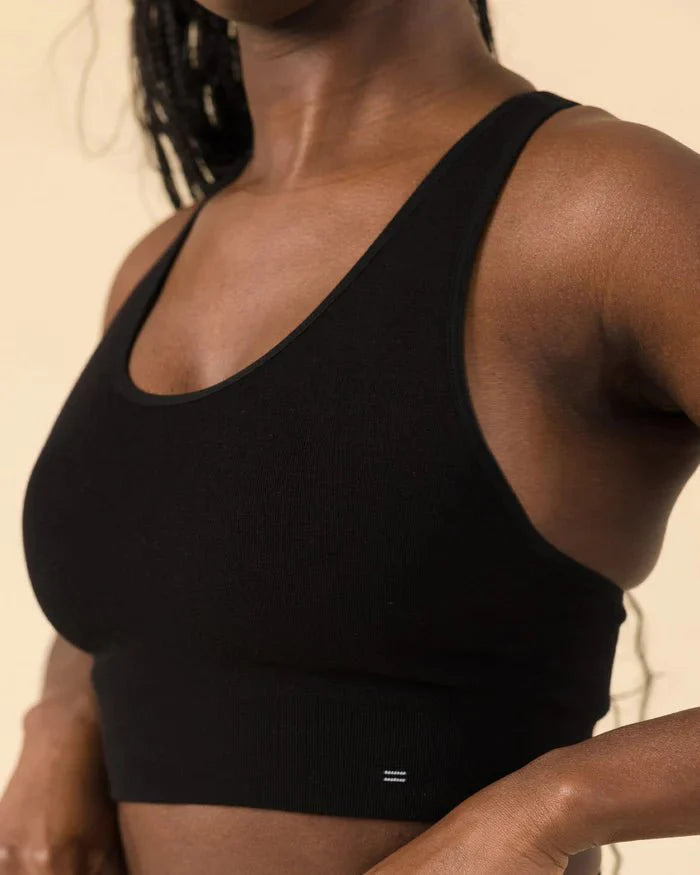
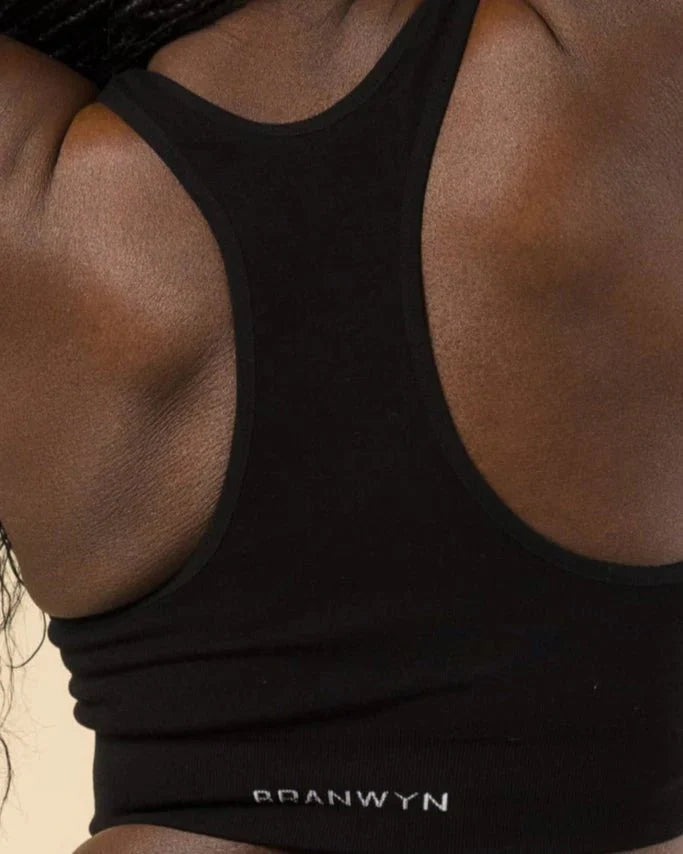
Pay attention to your bra band. Chafing often develops where the band sits against the ribcage. Make sure your bra fits snugly without digging in, and replace stretched-out bras that allow excess movement. BRANWYN bras feature a seamless design, eliminating the sharp edges that can create friction over time. Performance Merino wool also helps move moisture away from the skin, keeping the area drier and more comfortable during long days outdoors.
-
Protect your nipples. The skin around our nipples is especially delicate, thin, and prone to irritation. Try applying a thin layer of coconut oil or another preferred barrier before heading out. For especially long runs, some athletes also use medical tape or nipple guards to reduce friction.
-
Test your gear under real-world conditions. A sports bra that feels comfortable during a short workout may become irritating after several hours on the trail. Before a big adventure, take your kit on a few longer training days to identify potential problem areas.
We want to know… what do you swear by to avoid chafing? We’d love to update the blog with your tips! Please let us know by email at info@branwyn.com or on Instagram @branwynofficial. Stay dry and comfortable out there!