
When we take on physical challenges, it's easy to find ourselves at odds with what our bodies are trying to tell us. In the final miles of a marathon, the mind becomes focused on reaching the finish line while the lungs and legs scream for a slower pace. Scrambling up a rocky ridgeline, our hands ache to loosen their grip even as we hold on even tighter.
For many women, this disconnect extends beyond outdoor adventure, too. Have you ever pushed through exhaustion to finish a work project? Chosen a meal based on what you “should” eat rather than what your body is craving? Spent so much time caring for loved ones that you lose touch with your own needs?
The ability to notice and interpret internal signals is called interoception. Often described as our “eighth sense,” interoception helps us recognize cues like hunger, thirst, fatigue, stress, and recovery. The stronger this awareness becomes, the better we can respond to what our bodies need before discomfort becomes burnout.
We asked interoception experts why reconnecting with our body's signals is so important and how we can strengthen this awareness to support greater balance, well-being, and resilience.

Understanding Interoception
Interoception is the process by which our brains receive and interpret signals from within the body. Some of these signals are straightforward, such as feeling hot, cold, hungry, thirsty, or aware of a full bladder. In response, we might put on a jacket, grab a snack, or head to the restroom.
Other signals are more nuanced. A racing heartbeat, tightness in the chest, a headache, a knot in the stomach, or even a sense of ease and relaxation can provide valuable clues about our emotional state. By paying attention to these internal cues, we can better understand not only what our bodies need physically, but also what we may need emotionally.
Suzanne Wylde, a holistic coach based in Los Angeles, says, “Women are often taught to use their bodies to signal certain things: compliance, niceness, societal standards of attractiveness. Because of this, women can doubt and betray their physical sensations, appetites, and needs.” She explains that when we tap into our power of interoception, life feels more integrated. “It feels easy, like flowing water. Your body has a sensation and you know what it means, and adapt your actions to care for it properly. It's a partnership with mutual love and respect.”

10 Ways to Strengthen Your Interoception
So how do you go from disconnected to a full flow state? Experts say the best way is to start small. If you’re feeling the pull to listen more closely to your body, consider these practical strategies.
1. Start With a Body Scan
Take a few minutes to tune out distractions and check in with your body, recommends Wylde. Place your hands on your body, take a few slow breaths, and notice what you're feeling in that area—warmth or coolness, tension or ease, calm or emotion. “The more you work on this, the more sensations and information you will pick up in your whole body,” she says. Learn more about full-body meditation here.
2. Focus on the Exhale
Kemina Fullwood, founder of The Coherence Lab, says disconnection is often a nervous system adaptation rather than a personal failing. “When the cost of feeling something during the workday is higher than the cost of overriding it, the body learns to mute the signal. Most women aren't disconnected. They're running a survival strategy that worked,” she explains.
One way to begin rebuilding that connection is through slow, intentional breathing. Try inhaling for four counts and exhaling for six. Extending the exhale activates the parasympathetic nervous system—the body's "rest and digest" response—which can lower stress, reduce physiological arousal, and make it easier to notice the subtle signals your body is sending.

3. Pay Attention to Personal Space
One of the body's most protective signals is the instinctive discomfort that arises when someone crosses your boundaries. It may show up as a knot in your stomach, a tight chest, or a sudden urge to pull away. "We are so often socialized to avoid giving offense, but listening to this reaction can save us from a lot of stress and even danger," says Wyles. When you notice it, try to honor it. "We don't always need to know why we feel it. Our body instinctively knows, and that is enough."
4. Follow Up After Exercise
Exercise and outdoor adventure can be tricky. In order to get the most out of our bodies, sometimes we need to override those signals of “slow down.” That’s why experts recommend focusing on listening to how your body feels afterward. “The cleanest marker is recovery quality, not perceived effort. If sleep, mood, and morning heart rate variability are intact, the system is absorbing the load. When those start fraying, the body's telling you to back off,” says Fullwood.
5. Turn Down the “Noise”
It’s difficult to tune in to your body’s needs when you’re constantly managing external input, says Fullwood. “[Your body’s signal] isn't faint because you're not paying attention; it's faint because the nervous system is under too much load to send it clearly,” she explains. “Start by lowering the input.”
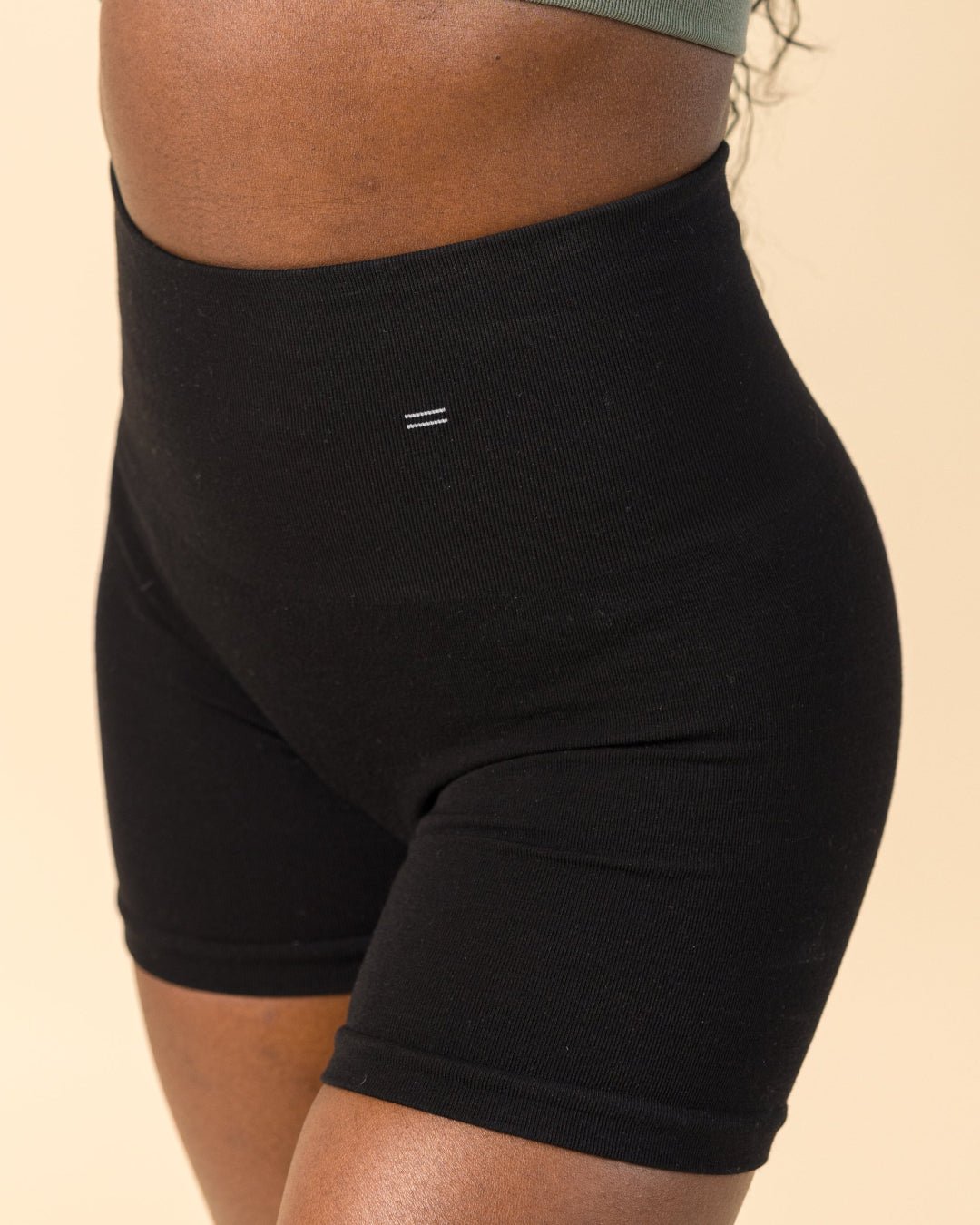
That can mean anything from silencing notifications to choosing clothing that feels effortless to wear. As an active fiber, Merino wool helps regulate temperature and manage moisture, reducing some of the physical distractions that compete for your attention. BRANWYN's Merino wool bras and underwear takes that a step further with a seamless design that minimizes chafing and irritation, creating a quieter sensory experience that makes it easier to stay connected to what your body is telling you.

6. Practice Intuitive Eating
“Most women I work with have spent years eating by external rules: count this, avoid that, stop at this amount,” says Meera Watts, founder and CEO of Siddhi Yoga International. Instead, she encourages women to slow down and tune into their body's hunger and fullness cues. Learning to trust these signals can strengthen interoception, helping build a habit of listening to your body that extends beyond the dinner table.
7. Learn to Say “No”
Have you ever agreed to a favor or request while feeling a knot in your stomach or tightness in your chest? “That’s the body answering the question before the mind has caught up,” says Fullwood. When you notice that reaction, pause before automatically saying yes. Practicing a simple "not right now" can help you honor what your body is trying to tell you.
8. Try Moving Meditation
A traditional mind-body practice, yoga can help improve interoception, but Watts, who teaches Ayurvedic yoga, says it's important to come to the mat with the goal of honoring your body rather than pushing to do every pose. “Ayurveda says something completely different from mainstream health culture. Our body has its own rhythm and built-in wisdom, which is buried when you spend years treating your body like a problem to fix rather than a partner.”

9. Explore Therapy
Interoception is closely tied to mental health. Research suggests that chronic stress, anxiety, trauma, and burnout can make it harder to accurately recognize and interpret internal bodily signals. Working with a therapist can help address these underlying factors while building greater awareness of emotions, physical sensations, and needs.
10. Simply Check In
One of the easiest ways to strengthen interoception is through regular self-check-ins. Studies suggest that bringing mindful attention to internal sensations can improve body awareness over time. A few times each day, pause and ask yourself: Am I hungry or thirsty? Energized or fatigued? Calm or stressed? By taking a moment to notice what's happening internally, you train your brain to better recognize and respond to your body's signals.
Like any skill, interoception grows stronger with practice. Whether you're on a mountain trail or navigating the demands of daily life, learning to listen to your body can help you move through the world with greater confidence, resilience, and ease.
A Note From Us: This blog is intended to educate, inspire curiosity, and support your understanding of interoception and body awareness. While we love exploring topics related to well-being, we are not medical or mental health professionals, and the information shared here is not a substitute for professional medical advice, diagnosis, or treatment. If you have questions or concerns about your physical or mental health, we encourage you to connect with a qualified healthcare provider who can offer personalized guidance.
We want to know: When do you feel most in tune with your body? What other tips do you have—or what do you struggle with? We always love to hear from you! Please email us at info@branwyn.com or DM us on Instagram @branwynoffical.