
Every March, more than 40,000 people head to Central Nebraska for an annual event. The attraction? It’s not a massive sporting event or music festival. Visitors flock there to witness a natural wonder: the migration of over 1 million sandhill cranes, traveling from their winter habitat in Mexico to their summer home in Canada along the Central Flyway.
The pioneering conservationist Jane Goodall famously made the trip nearly every year, calling it “without a doubt one of the most spectacular events in the natural world.”
If you’re curious about the appeal of watching winged creatures in their natural habitat, we asked three avid birders what got them hooked on birding, the proven benefits of the hobby, and how to get started in an easy and fun way.

The Women Behind Birdwatching
Humans have been observing birds for thousands of years—long before the invention of binoculars, the printing of field guides, or the development of smartphone apps. The term was coined by the 18th-century British naturalist George Edwards, but it was two adventurous women who popularized the activity in the United States.
In 1896, cousins Harriet Lawrence Hemenway and Minna Hall felt passionately that the use of plumage in fashion was unnecessary and cruel. The two collaborators created a campaign to boycott feathers in the name of saving the birds. As grassroots organizers, they motivated nearly 1,000 women to join the cause, putting a serious dent in the plumage trade, raising awareness about the beauty of birds in nature, and giving rise to what is now the massive nationwide organization: the National Audubon Society.
Today, more than 53 million women across the world count birdwatching as a regular pastime. There are many ways into birding, but for many it starts with a “first bird.”
“I saw a Blue Grosbeak at my birdfeeder in my backyard and was immediately hooked from that point on,” says South Carolina-based Birder, Angela Schumpert, aka The Berd Nird, who remembers being entranced by the animal's deep cobalt color. For Colorado-based bird photographer Ivey Kennedy, it was a Mountain Chickadee in Rocky Mountain National Park. “We enjoyed each other’s company for a few minutes,” she recalls. Suniti Bansal, a Connecticut-based bird photographer, says a hummingbird stole her heart. “I cannot forget how a tiny hummingbird perched right in front of me one morning when I wasn't even looking for it.”

Benefits of Birding
Birdwatching, or sometimes called birding, is simply the act of noticing birds around you. This can mean everything from thoughtfully observing birds in your backyard to heading out in the wilderness to seek out a specific species. Birding is also about deepening your knowledge by identifying birds, understanding their behaviors, staying attuned to their chirps and calls, and knowing how they interact with their environment.
The act of birding also carries a number of benefits:
Reducing Stress: “I love watching the birds and how they live together in harmony, even though each species is so different from the others. It is calming to observe their community in action,” Bansal says. Studies show that both being out in nature with birds and listening to birdsong is connected to reduced stress and overall improved well-being.
Inspiring Awe: Science has connected the feeling of awe to everything from lowered rates of anxiety and depression to improved cardiovascular health and longevity. Schumpert says that for her, birding often inspired awe—like the first time she saw an Anhinga up close. “I stood there observing its movements, making eye contact with it. It dove into the water, speared a fish on its beak, tossed it into the air, and caught it seamlessly. I got it tattooed on my forearm later. What a ***ing amazing bird.”
Building Confidence: Birding can be done in a group, but many like Kennedy prefer a solo adventure—an act which she says has helped build inner confidence. “I was always nervous to venture out anywhere by myself. I started birding from my car, taking drives through wildlife refuges,” she explains. “Once I became more comfortable being on my own, I would do birding adventures on foot. Birding allowed me to gain confidence and independence, and I believe it can do that for other women.”
How to Start Birdwatching
You don’t have to travel to the Nebraska wetlands for exceptional birding. “The great thing about birding is you can start in your own backyard,” says Kennedy. “Take walks around your neighborhood and note what you see or hear. You will be surprised by what is already there.” Our three experts offer tips for getting started.
Explore locally first. It’s almost certain that there’s a rich array of birds right where you live. The city of Los Angeles alone is home to more than 500 species. Getting to know them better can deepen your appreciation and understanding of your hometown. “Find the most common birds and learn to identify them by sight and sound,” says Schumpert. Bansal does not drive, yet she says her best shots come from a river 200 meters from home. “Even short neighborhood strolls can reveal entirely new species,” adds Kennedy.
Practice patience. Birds do not perform on demand. Kennedy sets alarms before sunrise, spends hours quietly scanning a refuge, and sometimes leaves shocked by what she observes. “Beginners might be surprised at how addictive it can become,” she says.
Stay consistent. The experience becomes richer the more you practice, Bansal explains. “Over time, you will be able to recognize different calls and behaviors to predict their next move. It is fascinating to see them doing exactly what you predicted,” she says. Schumpert agrees, “You really never know what you are going to discover. That unpredictability is what makes birding exciting.”
Find your people. Solo adventuring is amazing, but birdwatching can be even better in the company of friends. Audubon walks, online groups, or local meet-ups are great ways to connect with women who share a passion for birdwatching. Schumpert says, “You will be surprised how many doors it opens. Photography, friendship, quiet stress-free spaces.”

What to Bring Birdwatching
You don’t need anything at all to bird watch, but these basics will make the experience more meaningful and fun:
-
Binoculars: No need to get fancy, just about any pair works for spotting birds from a distance.
-
Field guide or app: Learn calls and identify species to get informed fast. Schumpert recommends the Merlin ID app as a great way to get started.
-
Comfortable shoes: Don’t let your feet hold you back. Choose a comfortable pair suited to where you’re headed: trail shoes for rugged terrain or waterproof soles for riverbanks.
-
Water and snacks: Keeping hydrated and fueled lets you stay out once you’re hooked.
-
Camera gear: For bird photographers like Kennedy and Bansal, capturing the moment is everything. But starting with your phone camera will do.
-
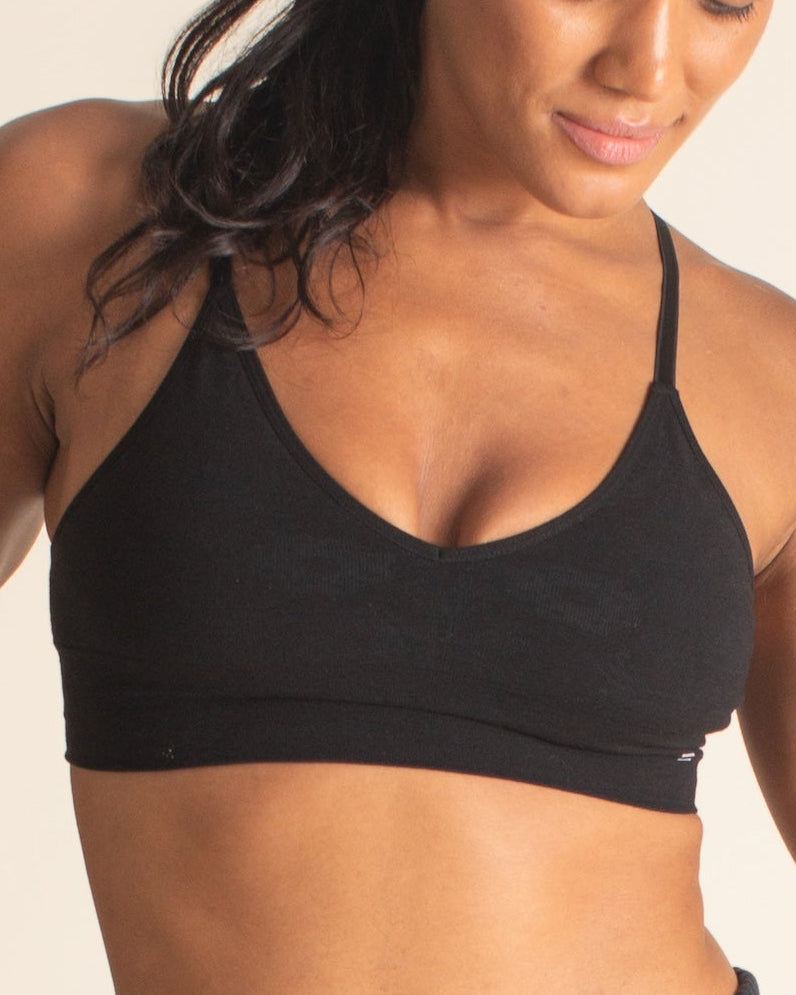
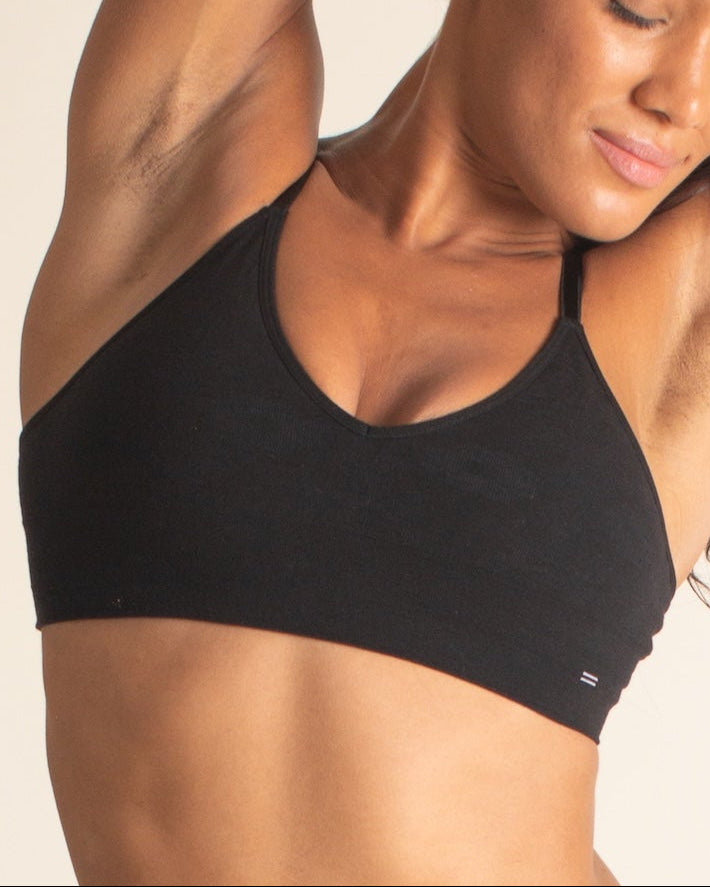
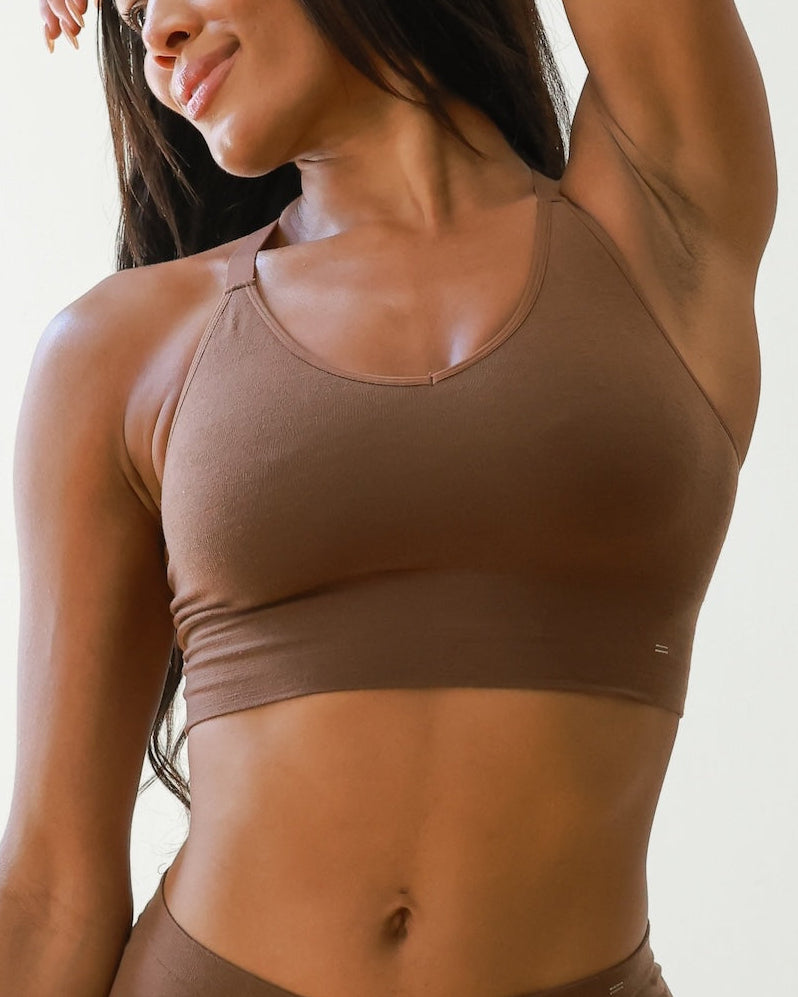
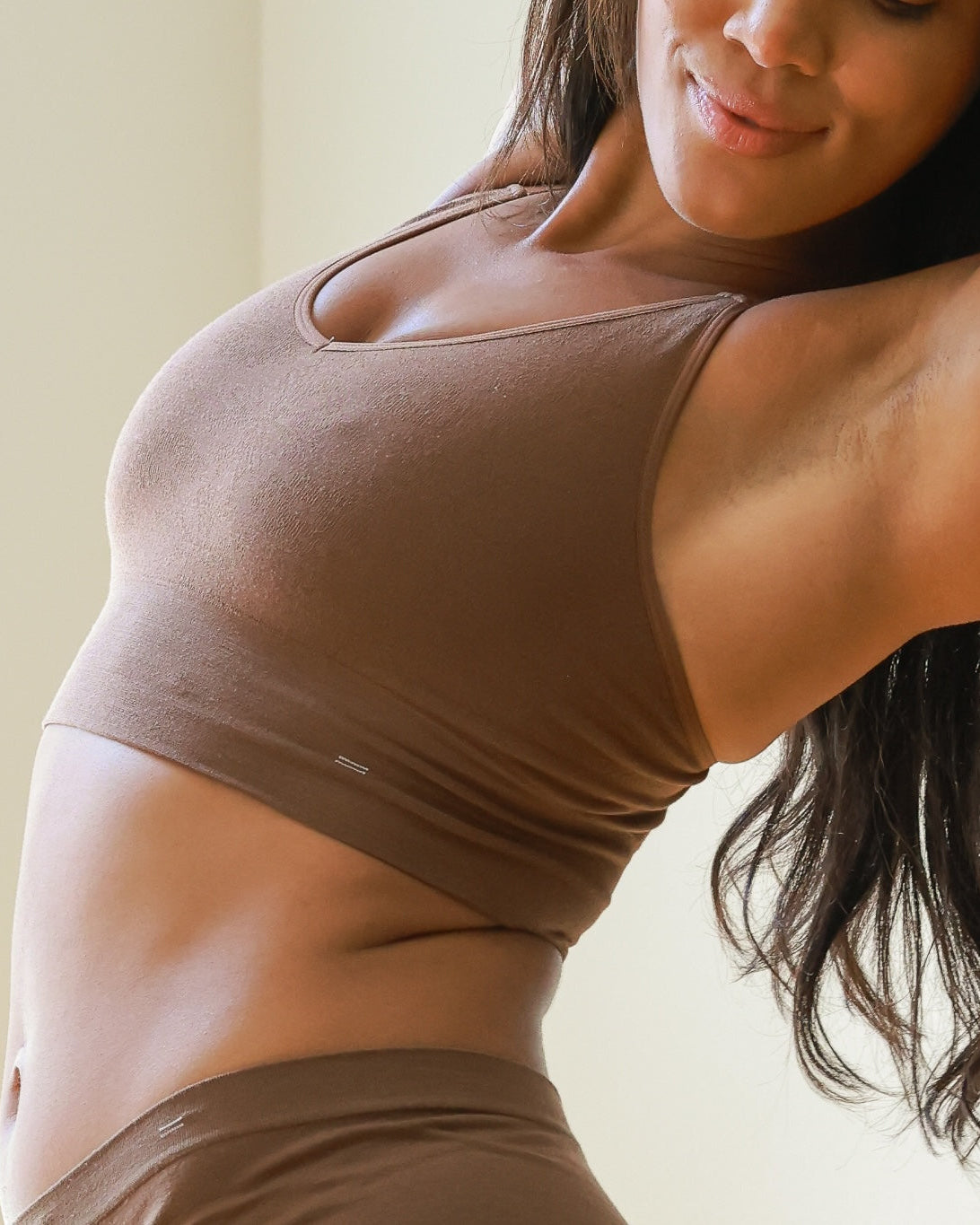
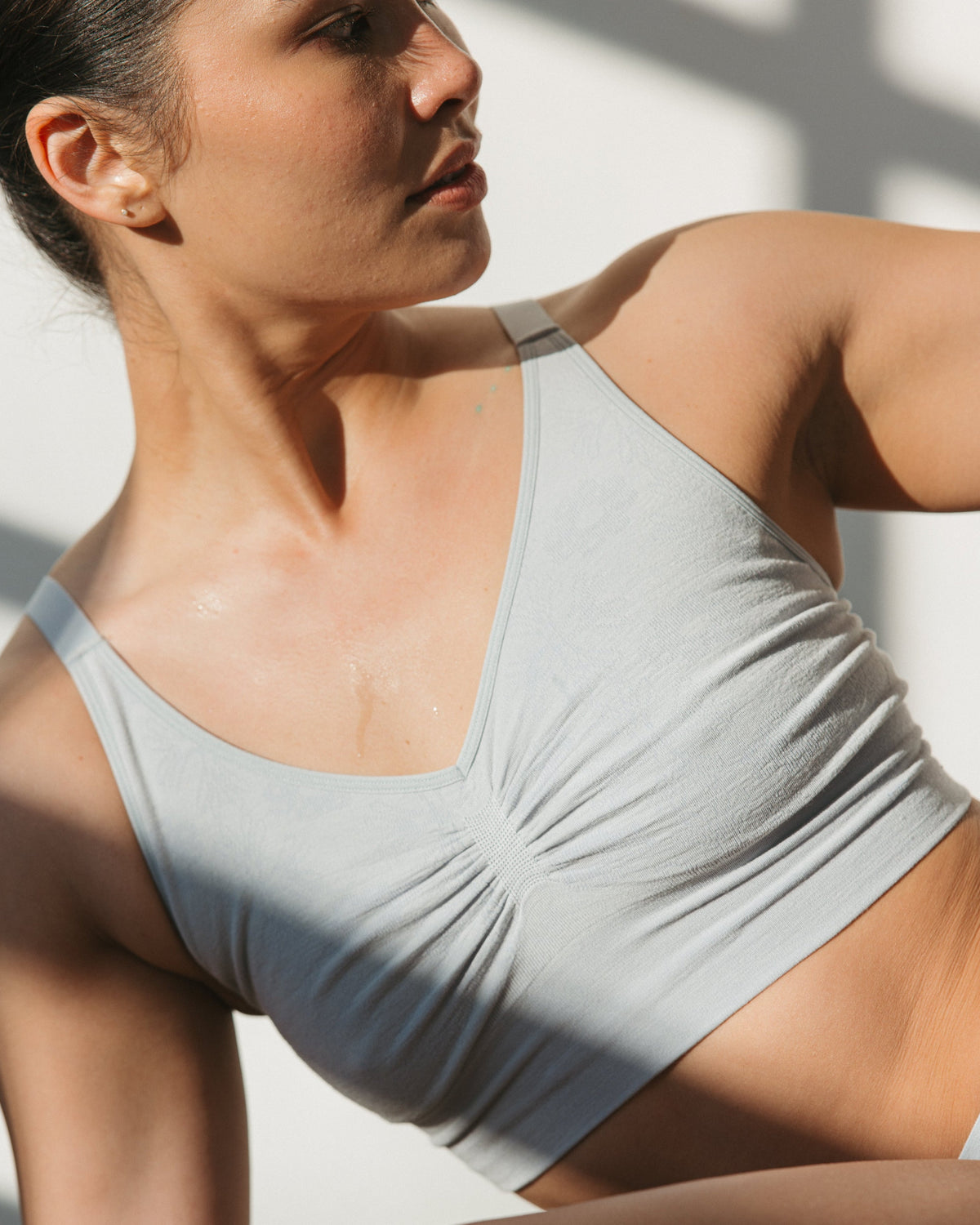
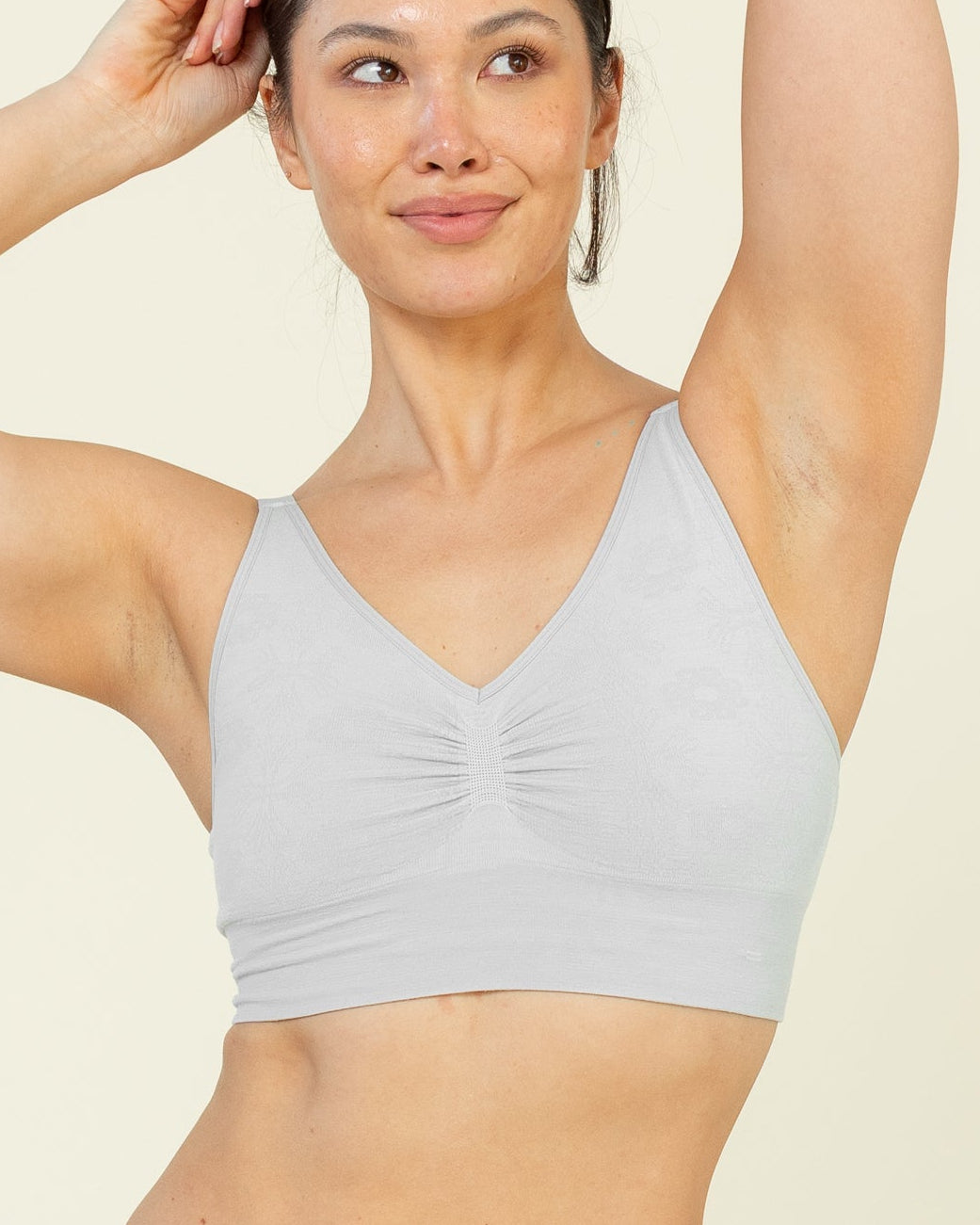
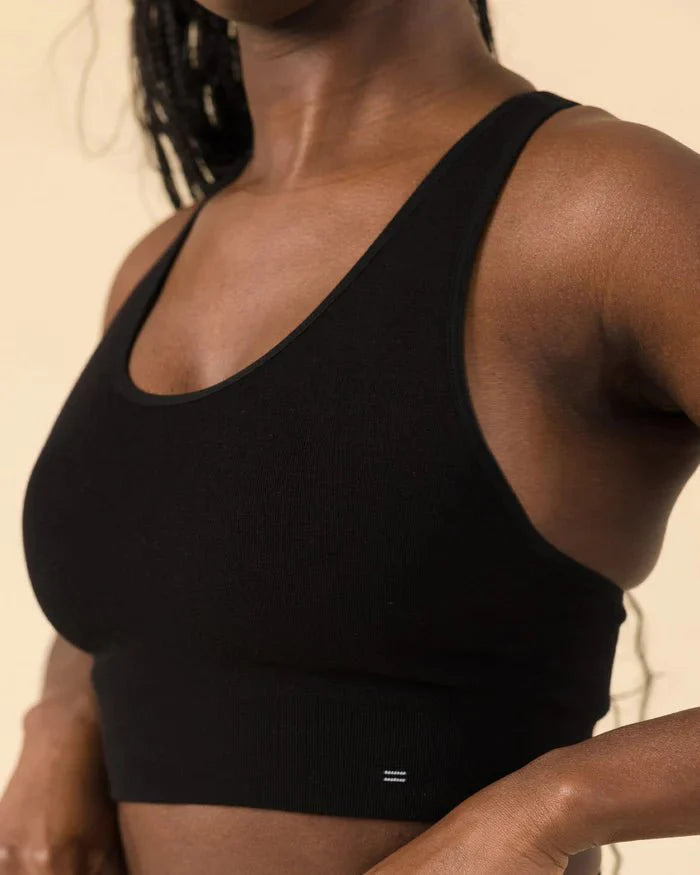
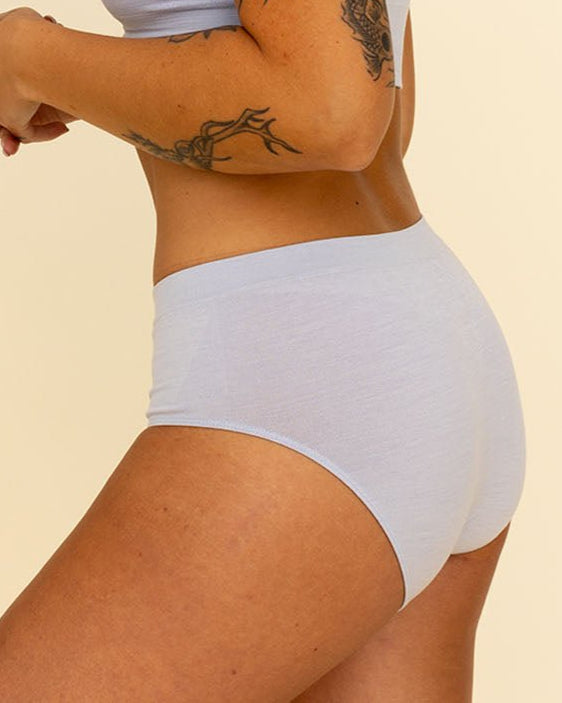
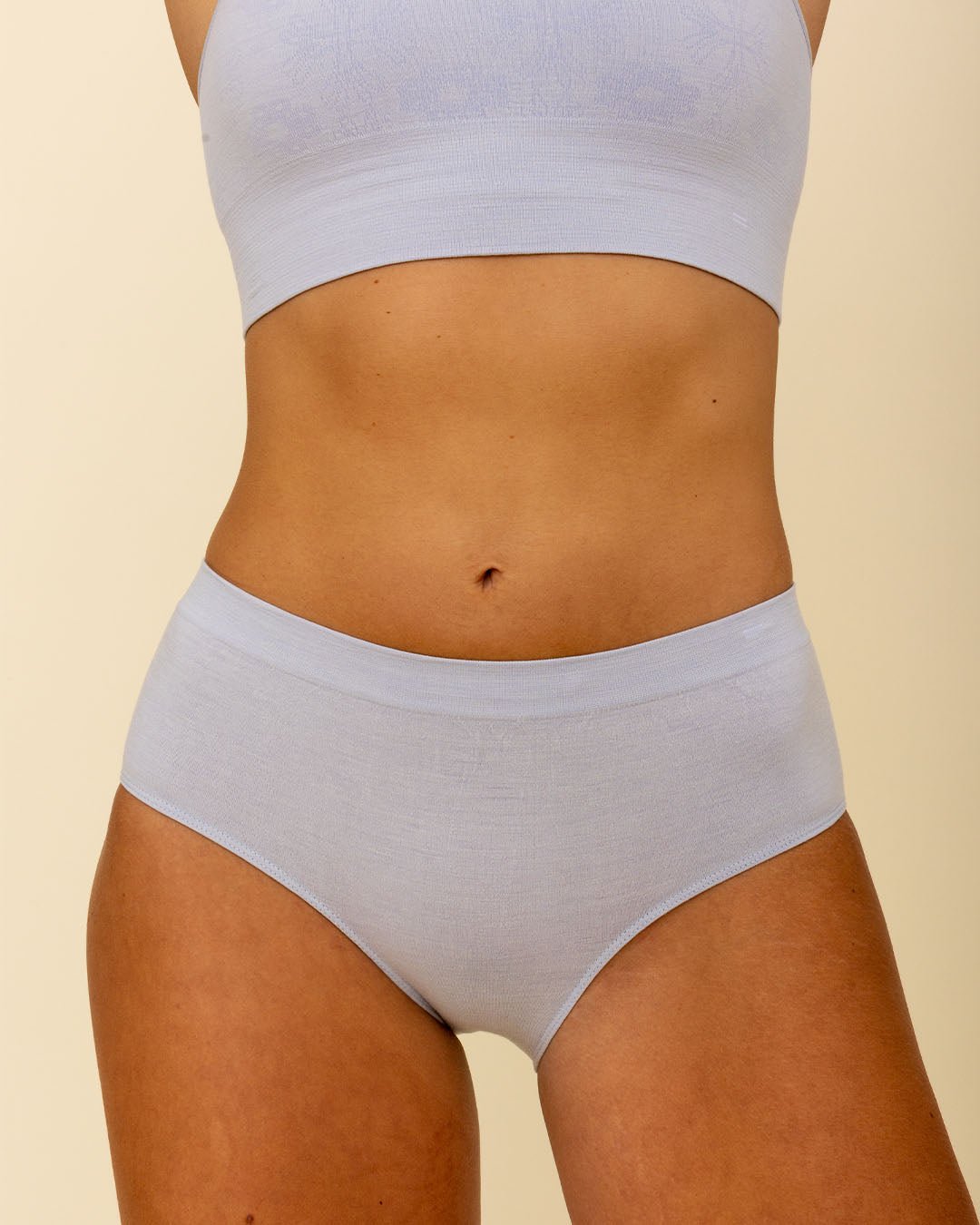
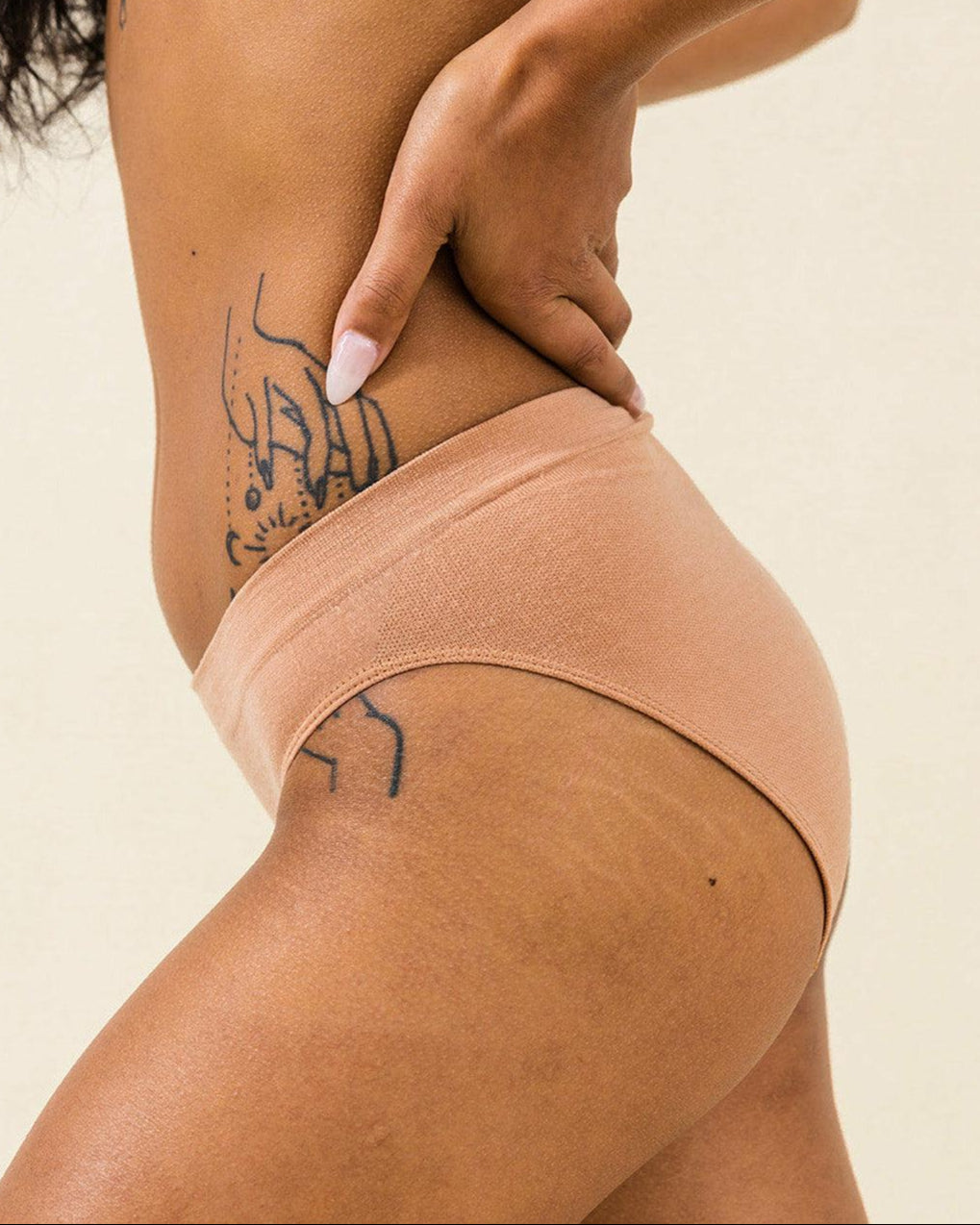
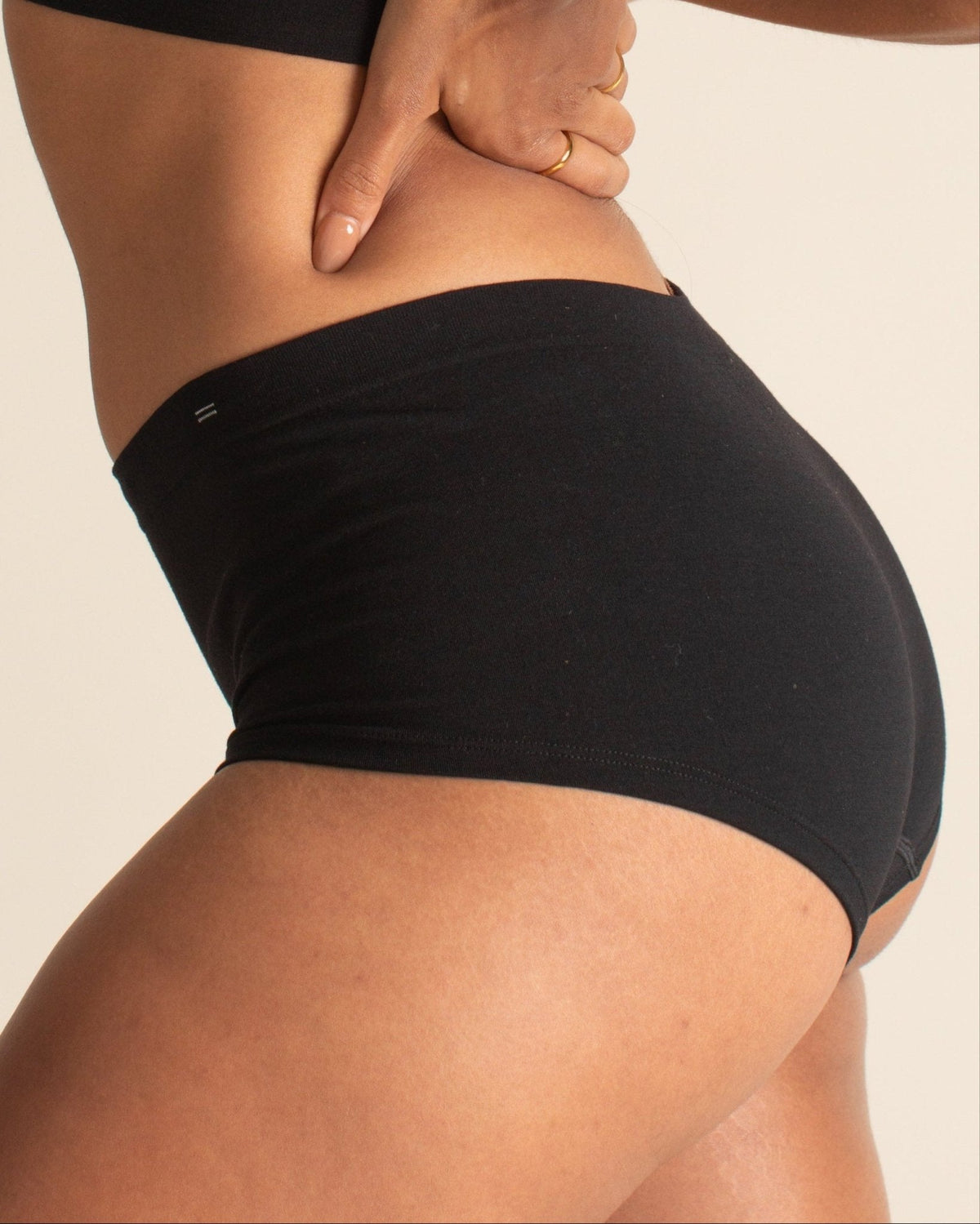
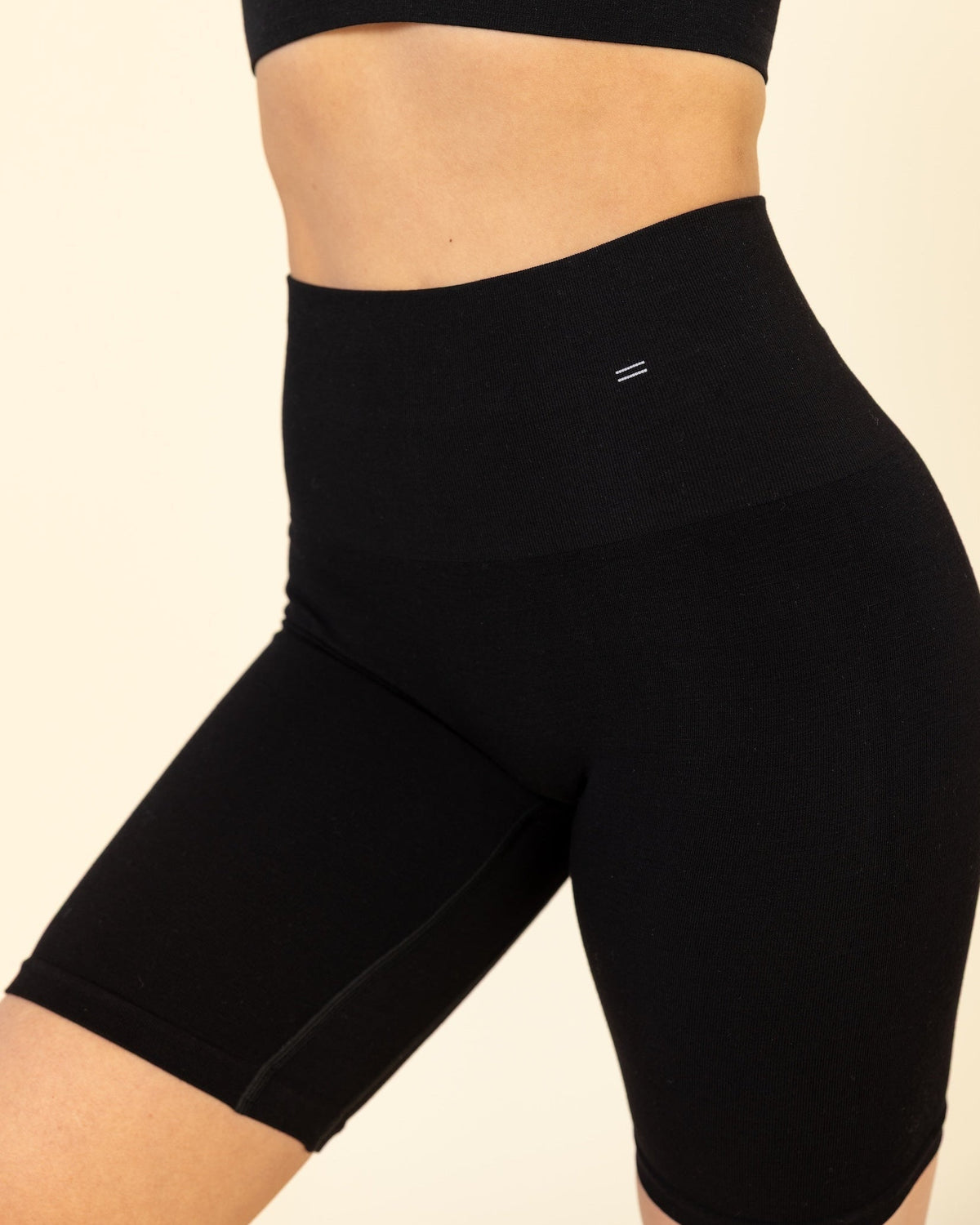
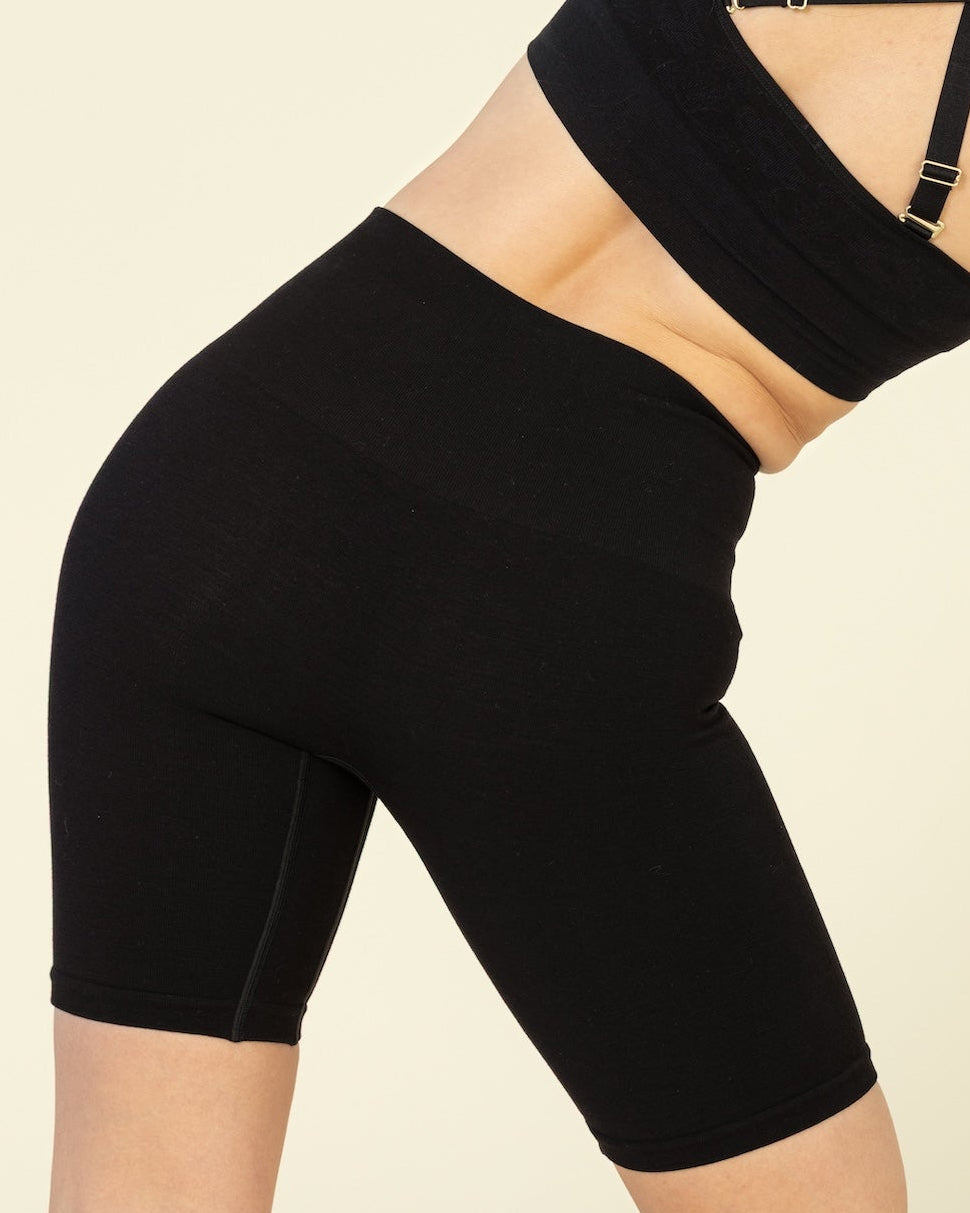
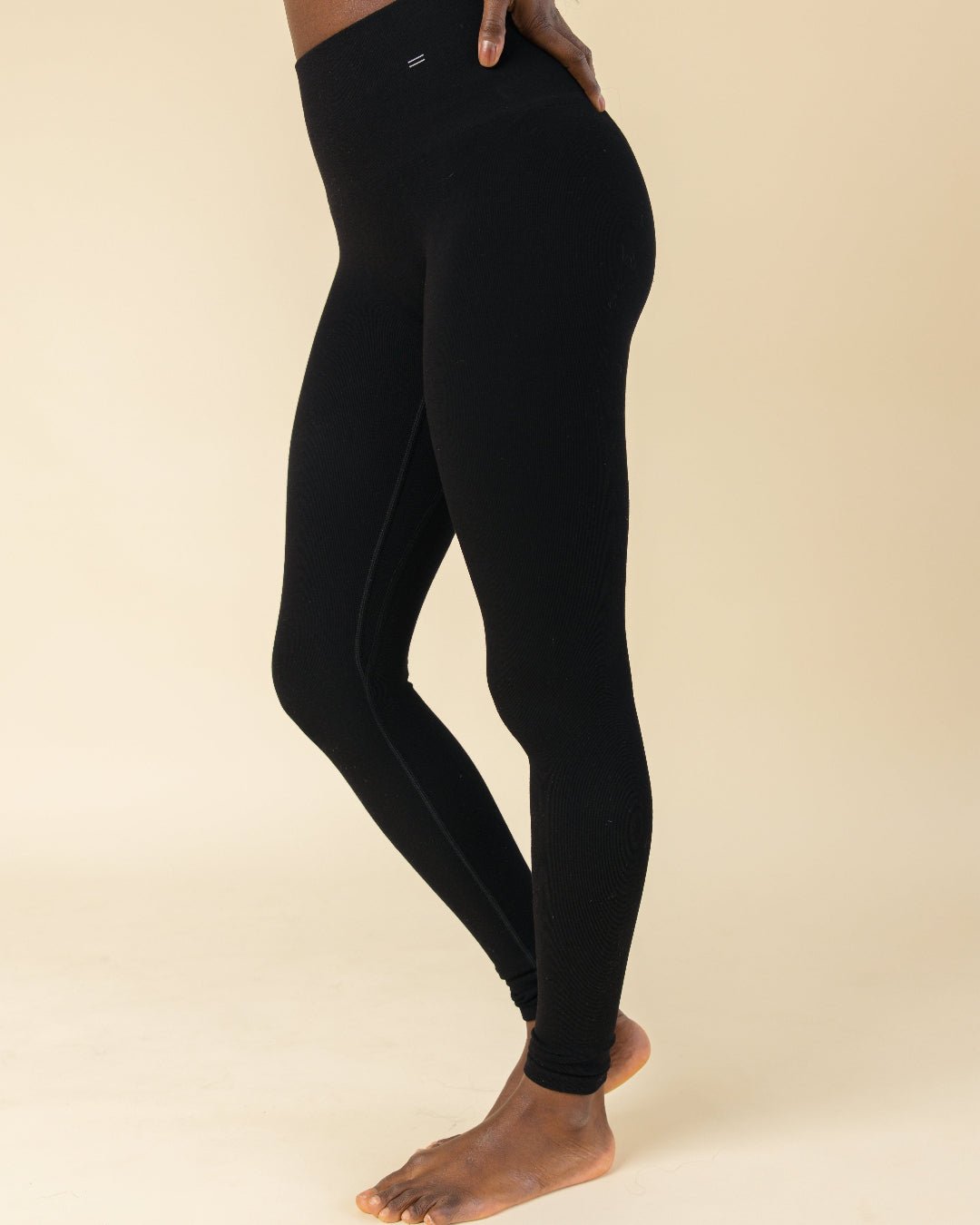
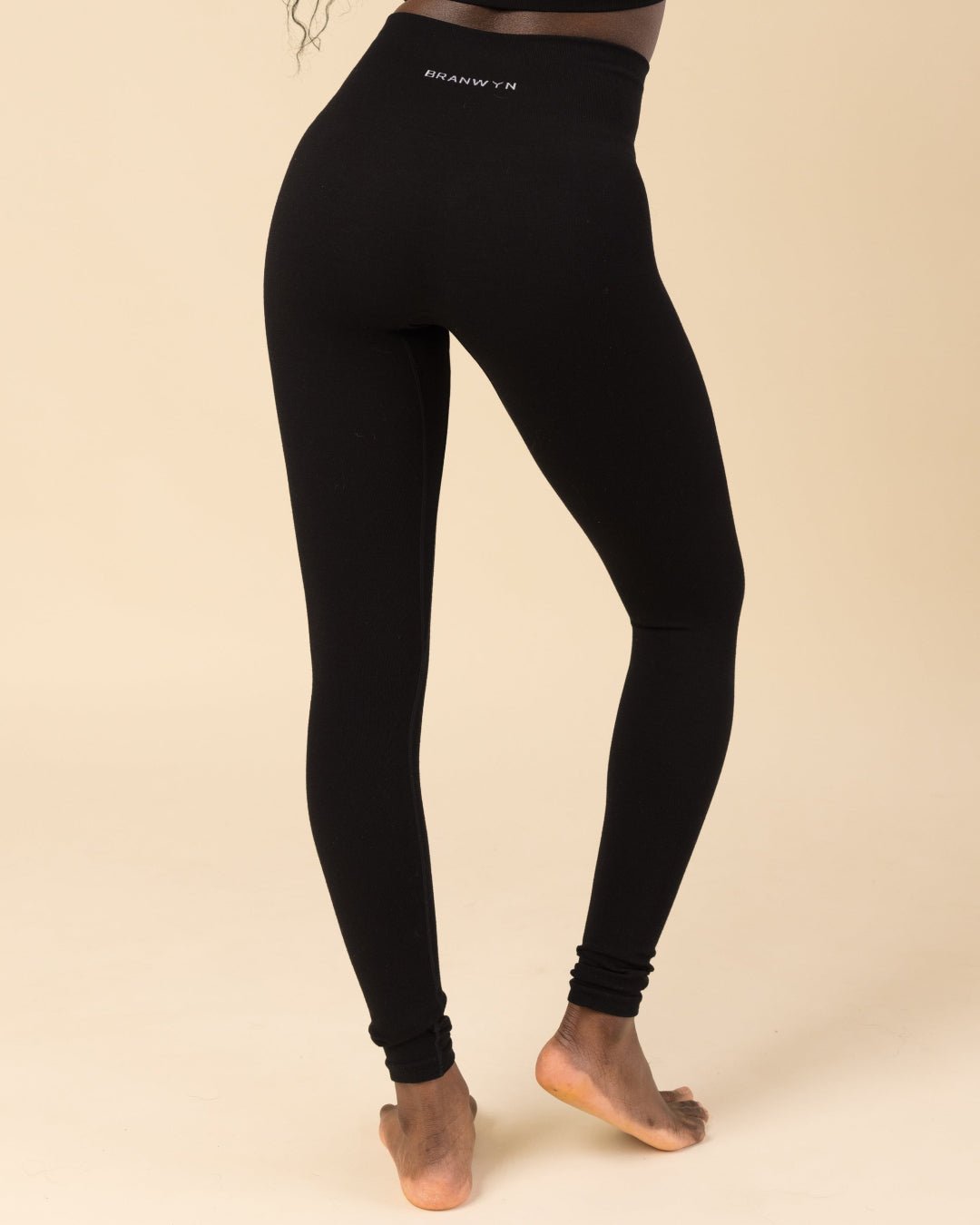
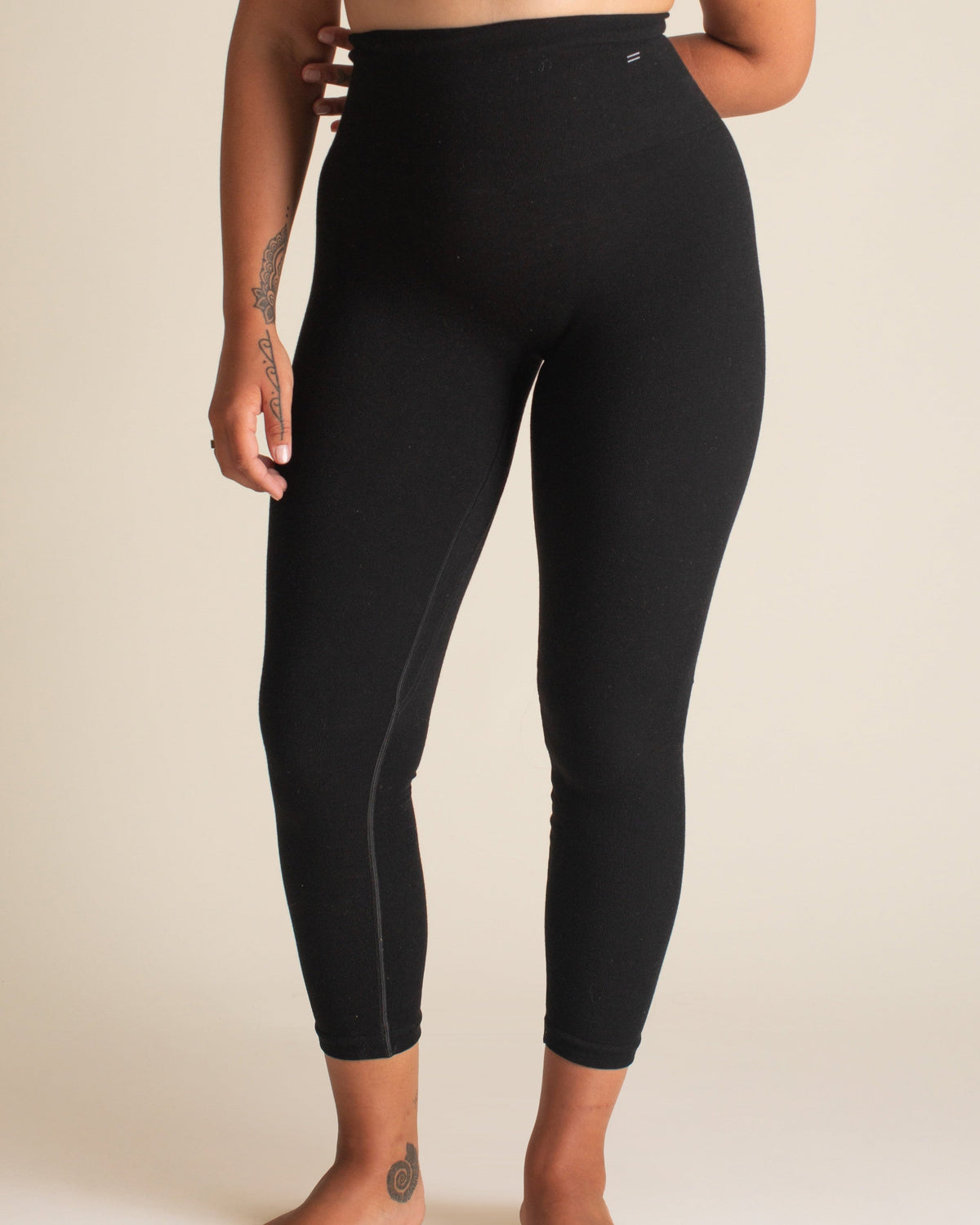
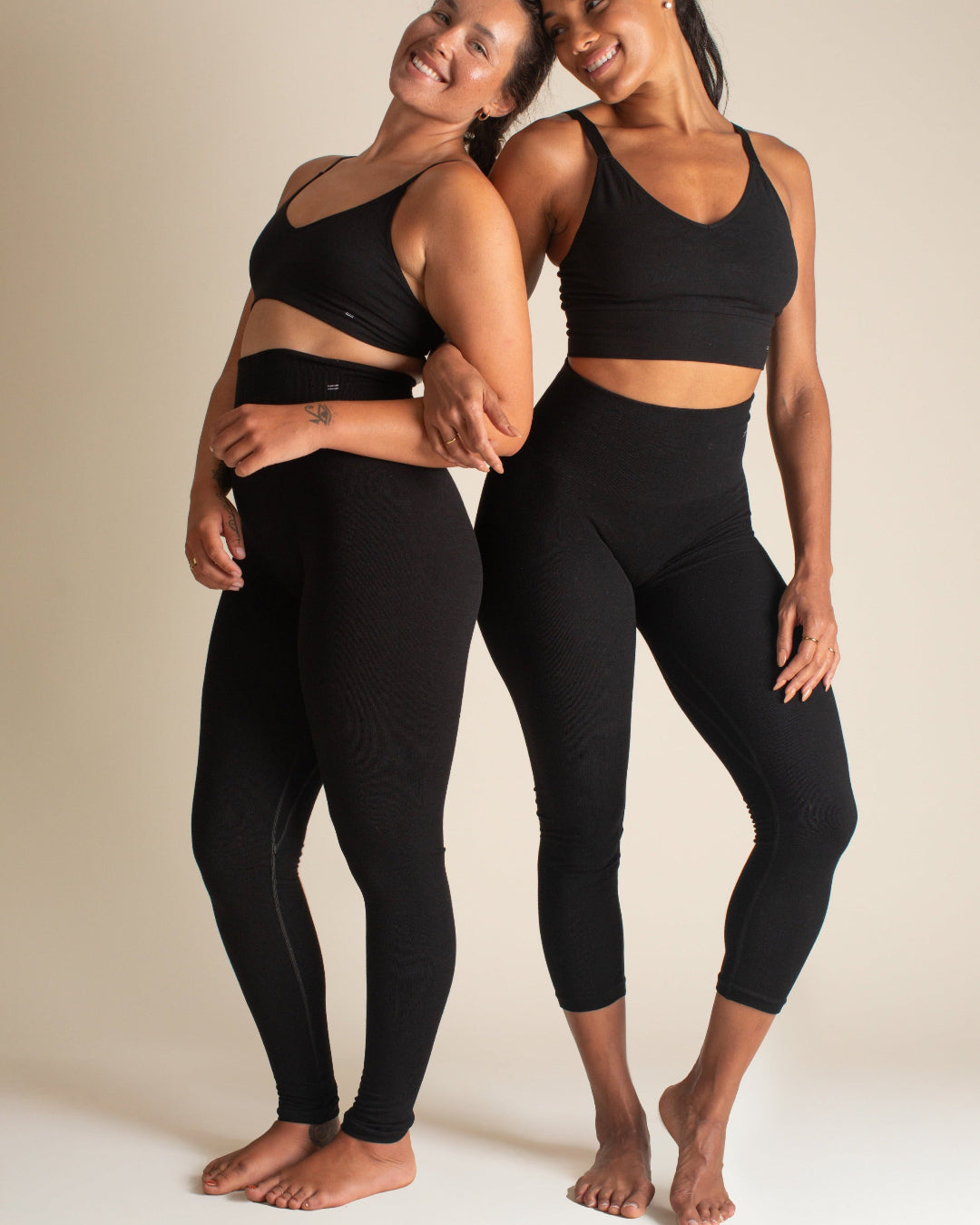
Clothing: What you put on your skin matters, especially during a day of birdwatching. If you're looking for what to wear birdwatching, we suggest supportive, naturally sustainable Merino wool Innerwear keeps you comfortable and dry thanks to moisture-wicking properties. It also naturally traps odor—especially helpful if you want to grab lunch with the group on your way home. Plus, the fibers regulate temperature, keeping you “just right” whether the sun is beating down or a cool breeze rolls in. If you’re going to be out for a few hours (or during shoulder season), layer with a few high-performance pieces to weather shifting temperatures throughout the day.

Why it’s worth it
Birdwatching is so much more than a hobby. It’s a way to slow down, notice something new in your surroundings, and discover moments that stop you in your tracks. Birding fosters patience, sharpens your eye, and builds confidence as you explore the outdoors on your own or with a new community.
“I just go there, wait for birds, and enjoy my 3 to 4 hours of calmness,” says Bansal. Well, doesn’t that sound nice?
We want to know, have you ever tried bird watching? And if you’re an avid watcher, what was your “first bird”? Please drop us a line anytime. We love hearing from you! Email info@branwyn.com or DM us at @branwynofficial on Instagram.