
Our relationships with bras can be complicated. While 9 out of 10 women choose to wear one every day, nearly 70 percent of us find them uncomfortable, a tension that speaks to just how difficult it is to engineer something that fits so many different bodies doing so many different things.
“When a bra is really doing its job, you kind of forget you’re wearing it. That’s kind of the holy grail,” says Heather Cvitkovic, a sports bra expert who spearheaded innovation at Brooks and Moving Comfort before founding her company, Pure Clean Outdoor. "Every woman is different. There's not one thing that works for everyone."
Most often, she says, discomfort isn’t inevitable. Instead, it’s a sign of a mismatch: the wrong construction for the wrong body doing the wrong activity. Understanding a bra's anatomy, and the specific role each component plays, can transform the way you shop, the way you move, and ultimately, the way you feel. Let’s dive in.
The Critical Components
Different bras are optimized for different purposes: some for lounging, others for the office, and some for activity. However, when bras are built for activity, almost every style shares the same four core components:
-
Band
-
Cups
-
Straps
-
Material
Each one involves its own set of choices, and each choice comes with tradeoffs between comfort and support. “The tricky part is the balance,” says Cvitkovic. “Sometimes what gives you support can take away from comfort, and what gives you comfort can take away from support. It really depends on your breast size, your breast tissue, and your personal preference.” Learning about each element is a great first step to finding what actually works for you.

The Band
When it comes to support, most people think it’s all about the straps. But as Cvitkovic explains, it’s actually the band that does the heavy lifting. The closer the band fits around your rib cage, the more support it delivers. Her research shows that many women wear bands that are too loose to do their job. What might feel snug at first often feels more comfortable in motion because it’s providing the support you actually need.
Bands can connect with the cup in two ways: Through a seamless knit or a traditional cut-and-sew design where the pieces are sewn together. While cut-and-sew can offer a bit more support, many women find seamless to be much more comfortable. “I’m a ‘princess and the pea’ type, so I feel everything. So for me, sometimes cut-and-sew bras aren't ideal, especially if I've worn it for a long time or I'm sweating. The stitching can create chafing,” says Cvitkovic.
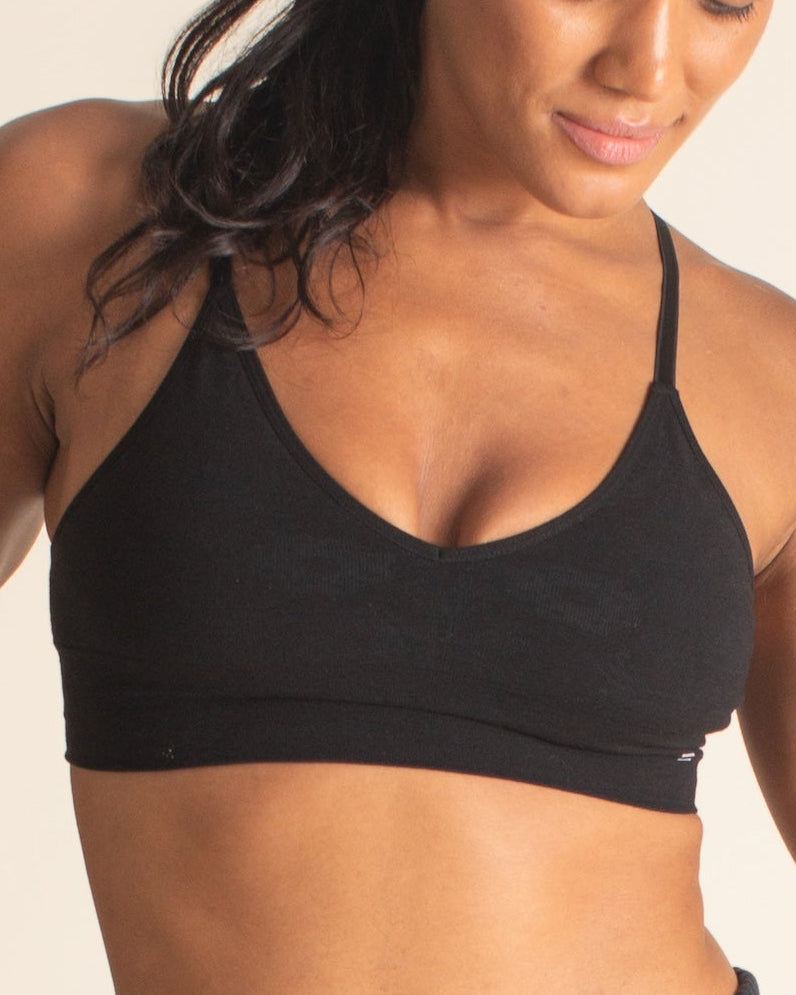
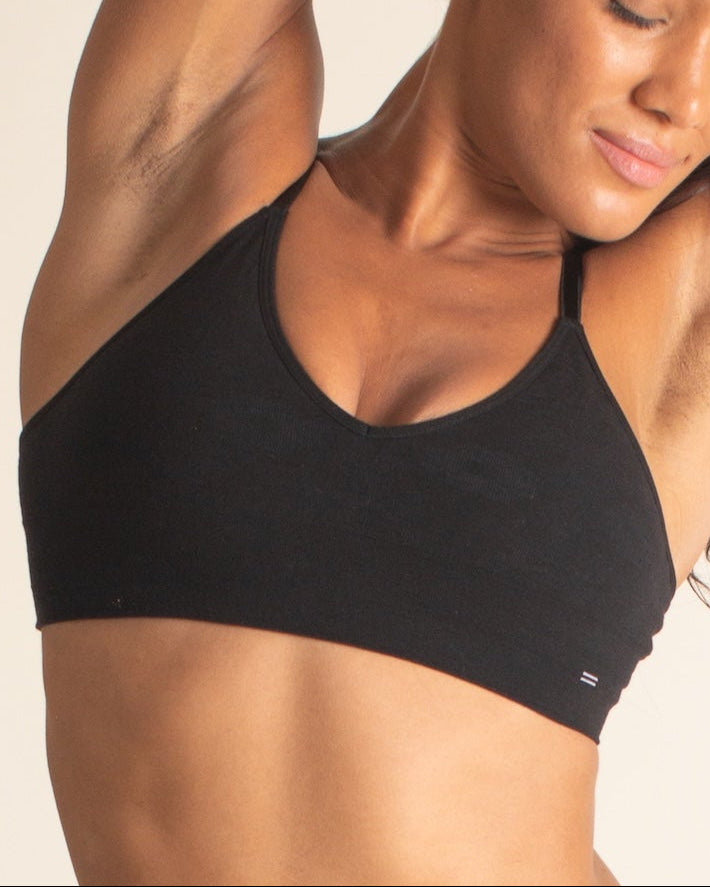
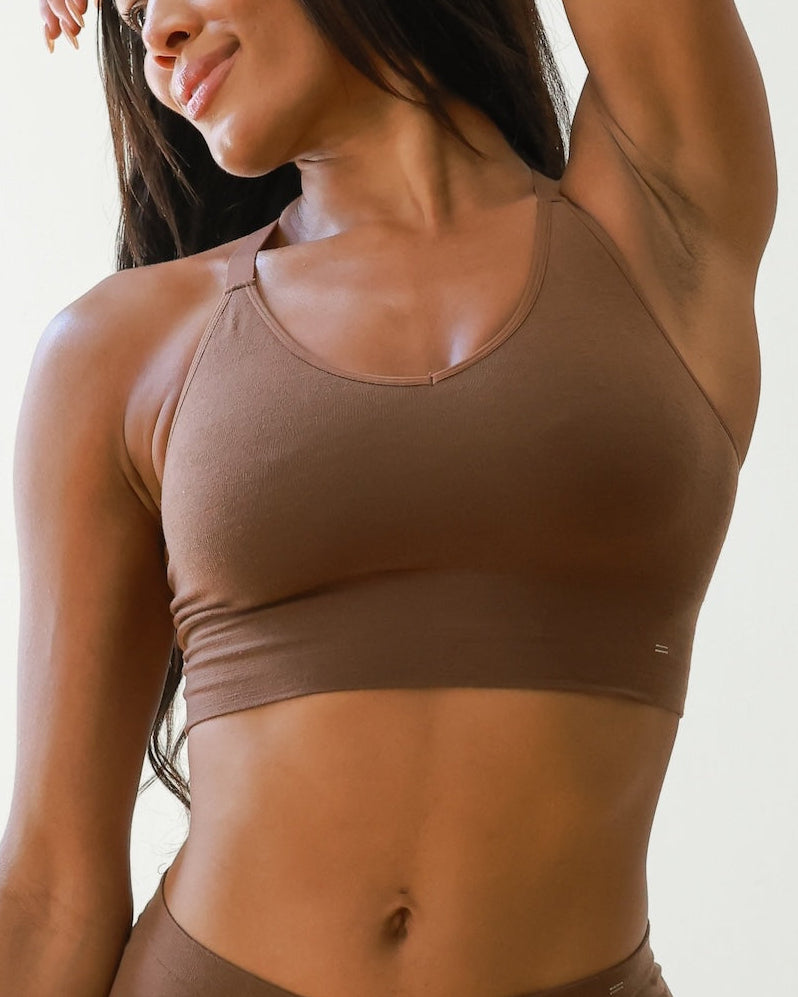
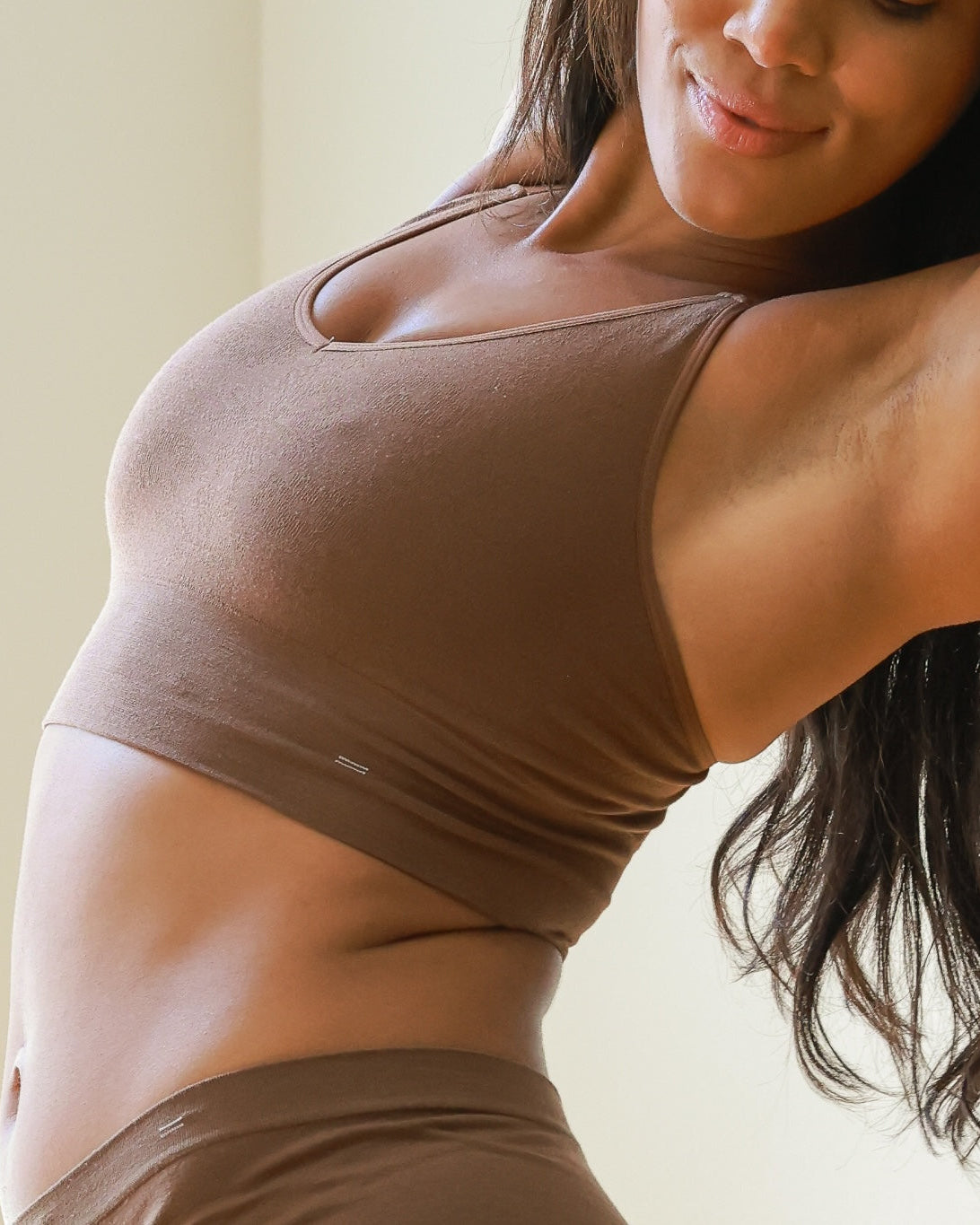
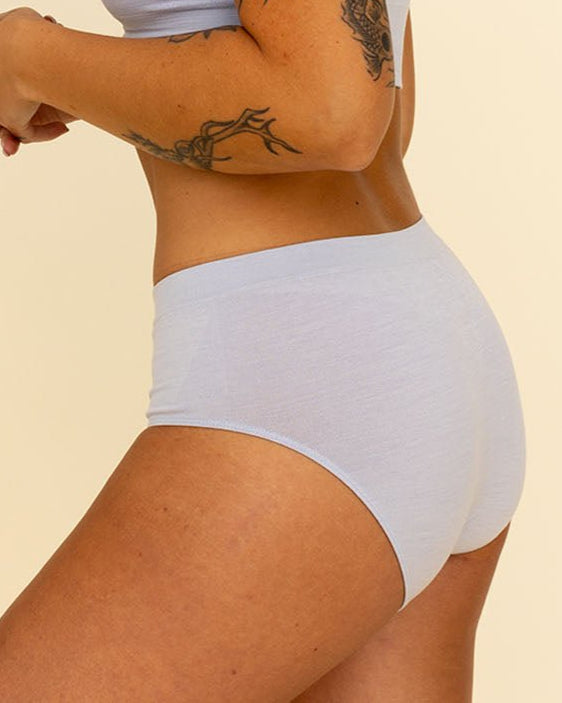
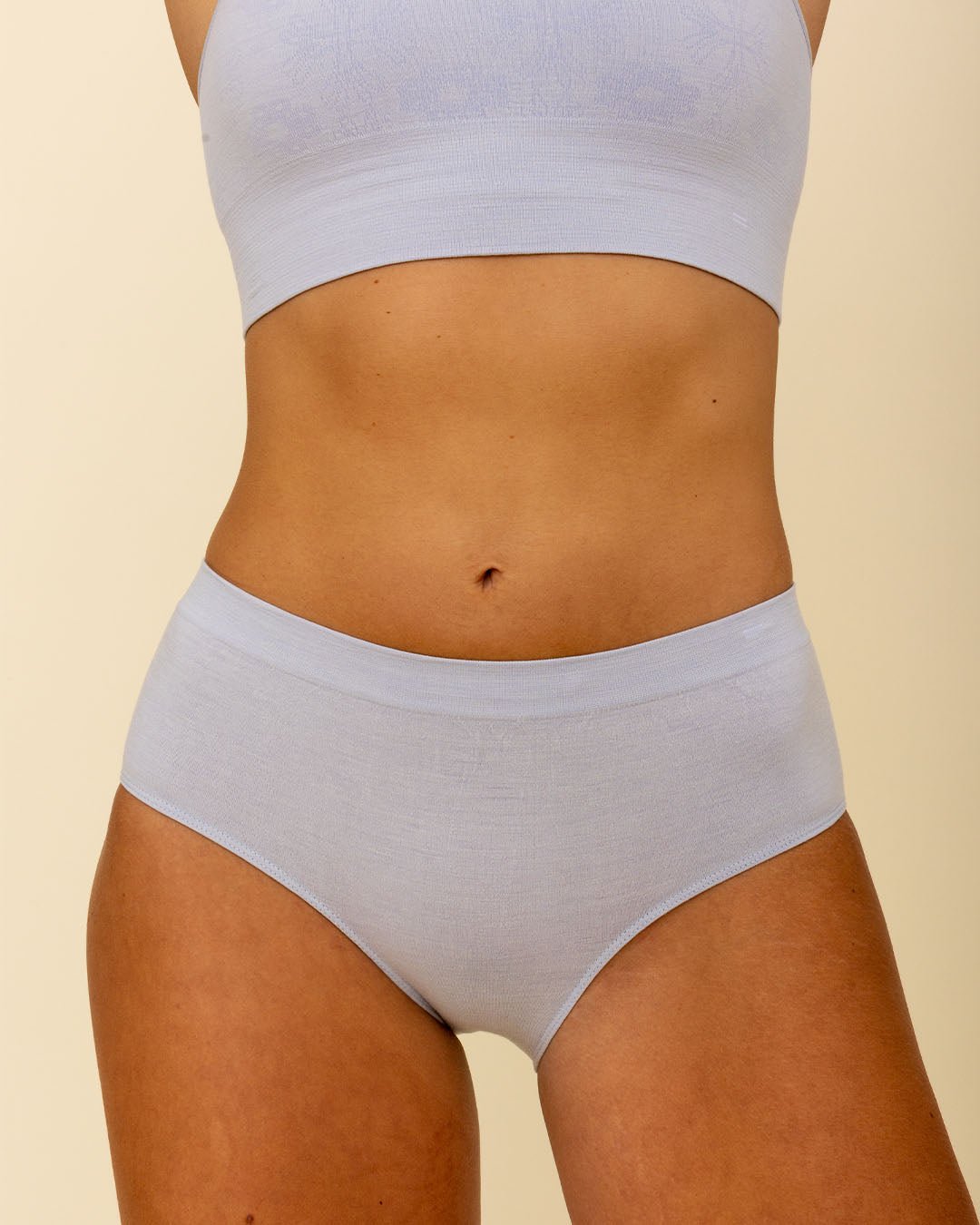
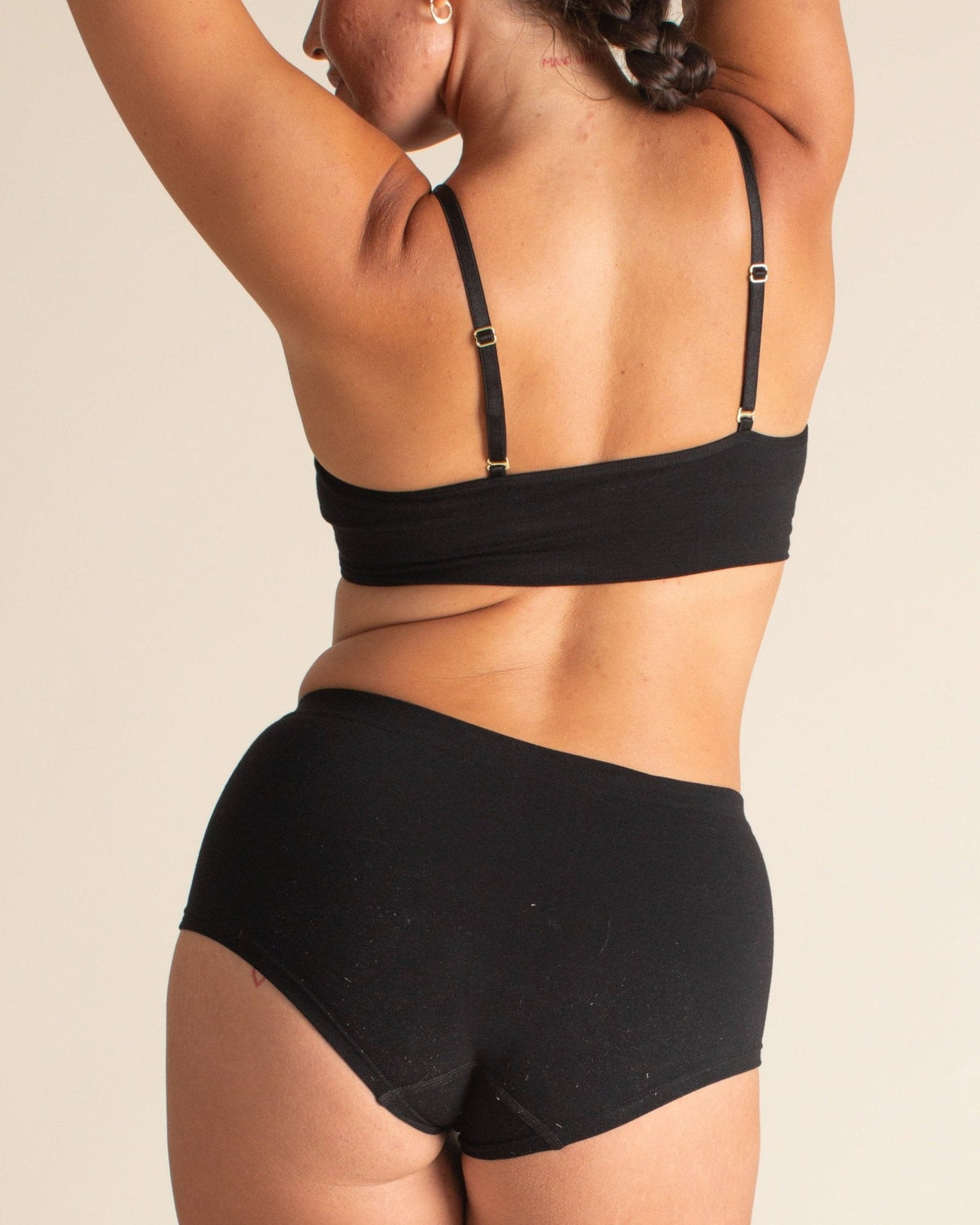
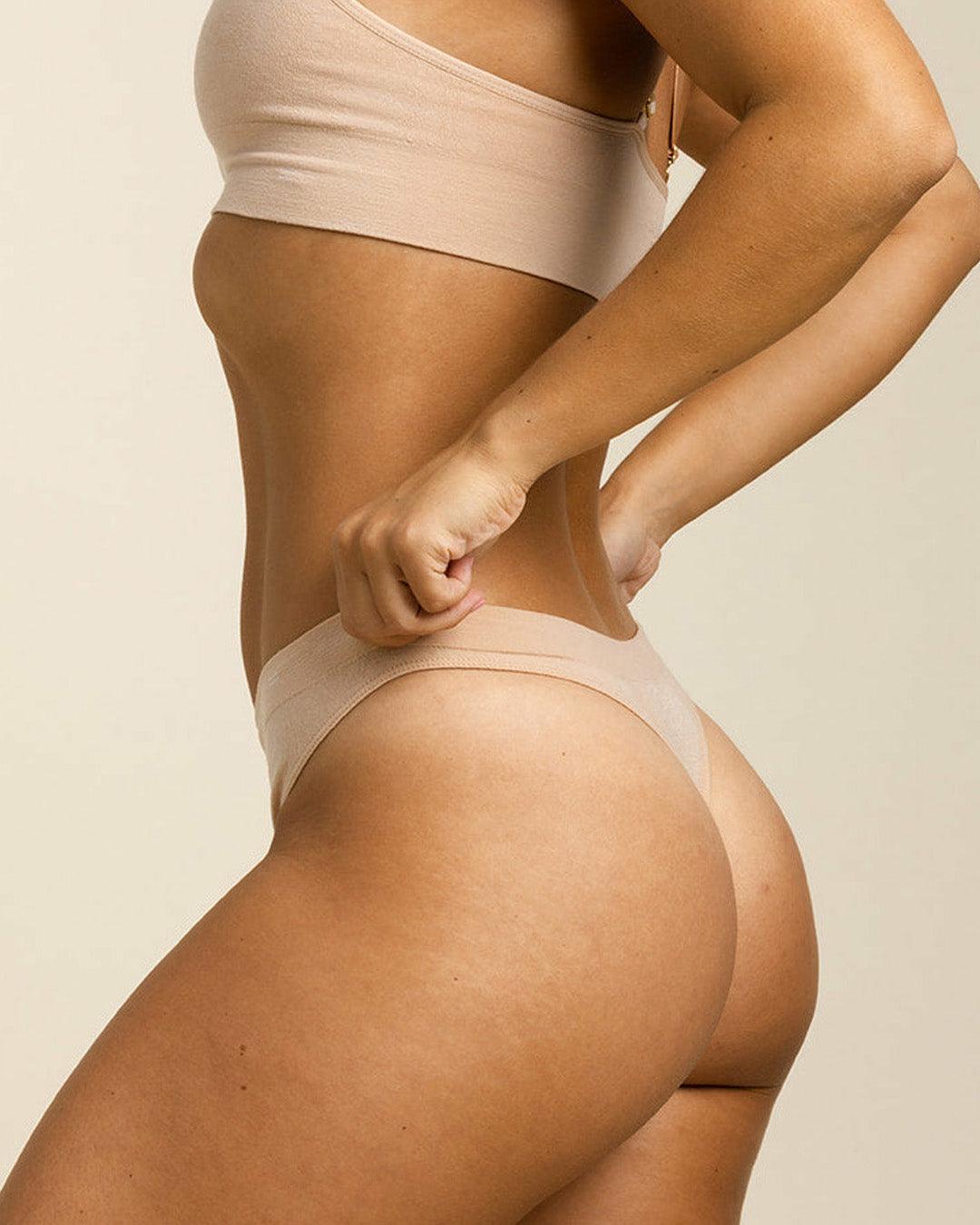
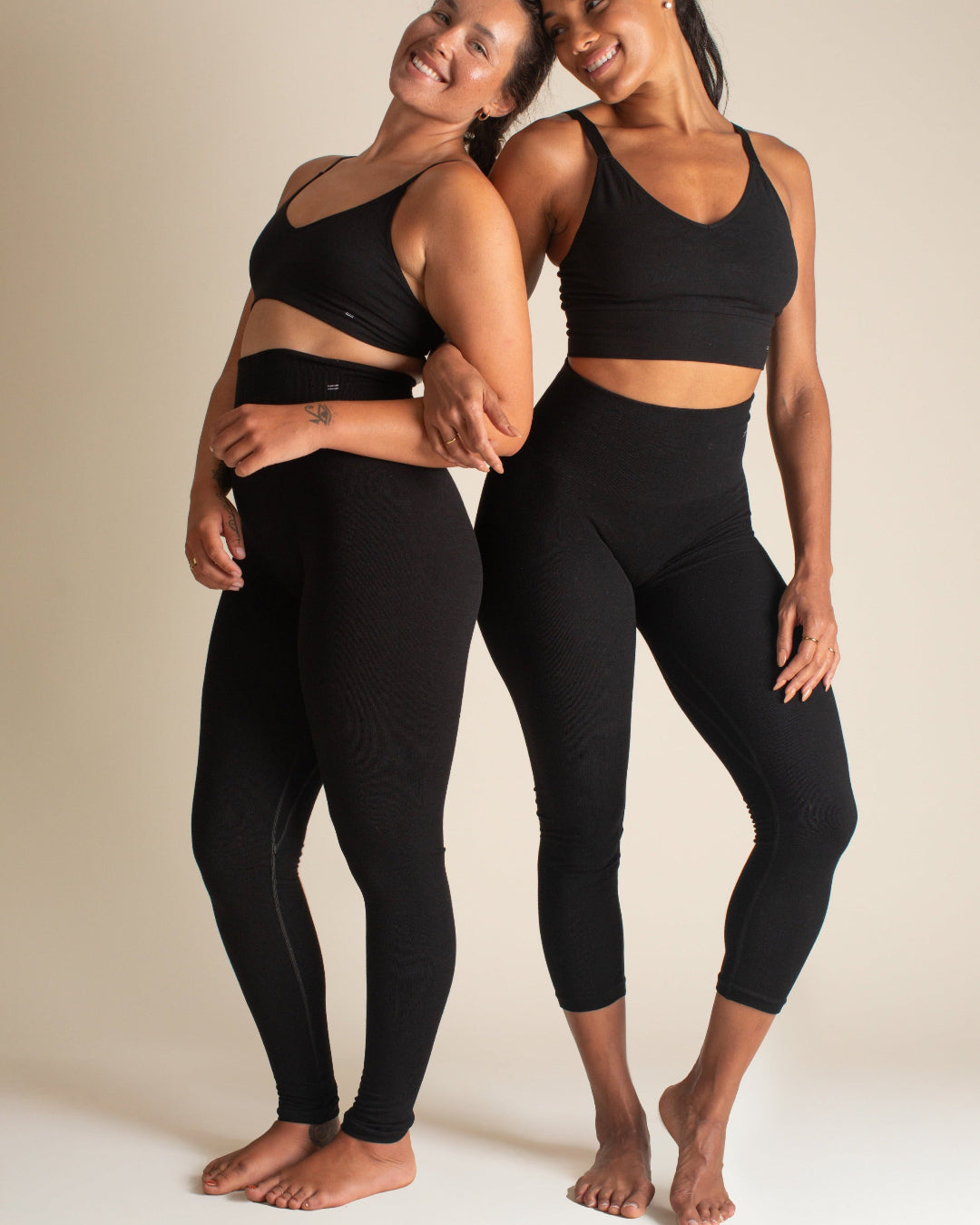
BRANWYN Note: All BRANWYN bras are created through an innovative seamless Merino wool design that delivers an “almost naked” feel that minimizes chafing and discomfort. This includes our new Essential Supreme Bra as well as our Essential Bralette, Essential Busty Bra, and Essential Racerback Sports Bra.
The Cups
The cups help keep your breasts in place through shape, containment, and motion control. According to Cvitkovic, cups can do their job in two ways, “Compression holds everything close to the body, while encapsulation holds each breast individually. Most bras fall somewhere in between.”
The tighter the compression, the higher the support. Compression bras can feel secure and streamlined, but for some, they can also feel restrictive. Encapsulation (or separation), on the other hand, creates a more defined shape and gathers all the breast tissue into the cup which limits excess movement.
Cvitkovic points out that breasts don’t just move up and down but in a 360-degree motion that requires structure from all sides. And like most things in bra design, it ultimately comes down to preference. Some women want separation and shape. Others prefer a held-in, minimal feel.
Cups can also have thicker fabric or pads to provide nipple coverage—or not. Again, there’s no right or wrong. It’s about how it feels on your body.
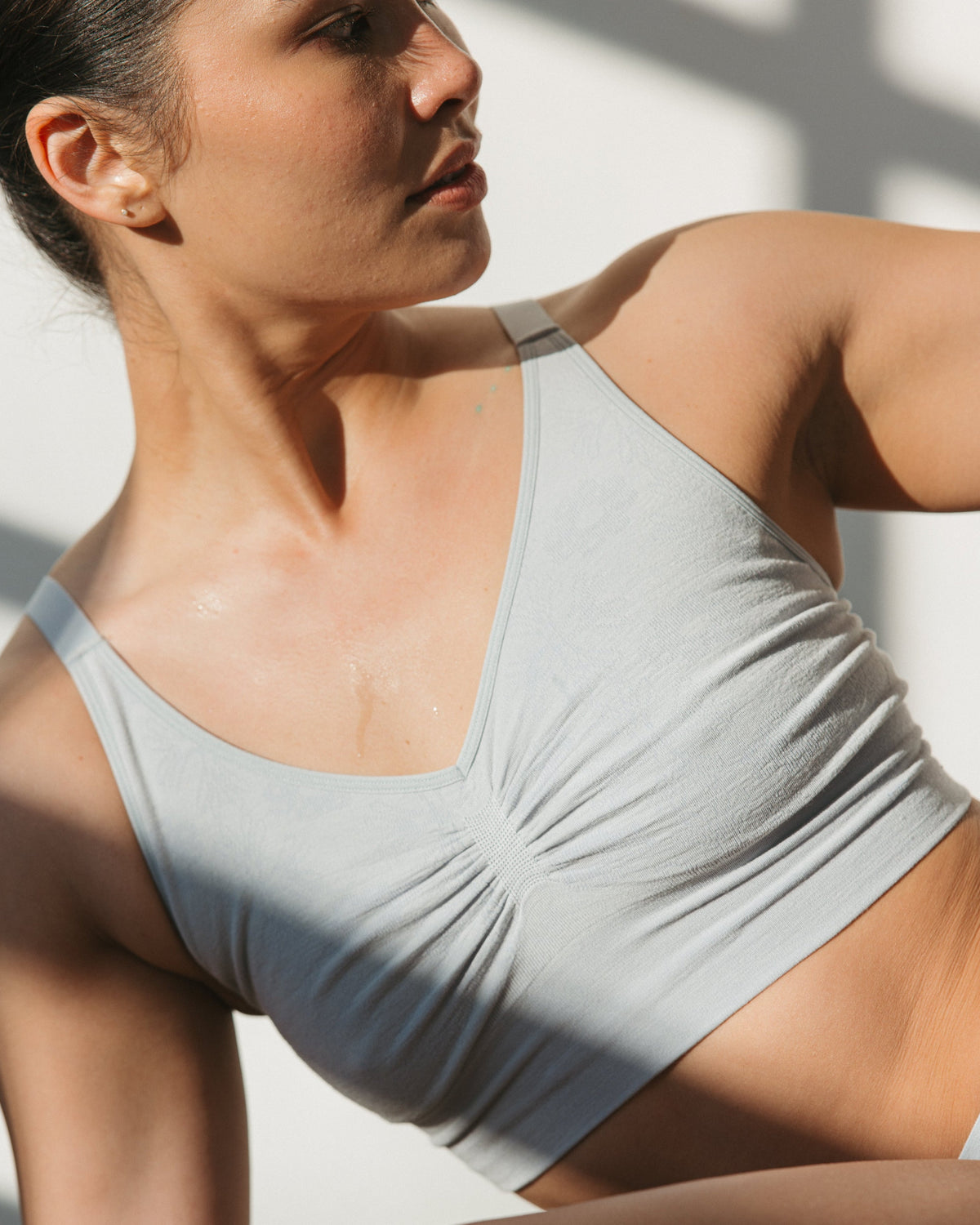
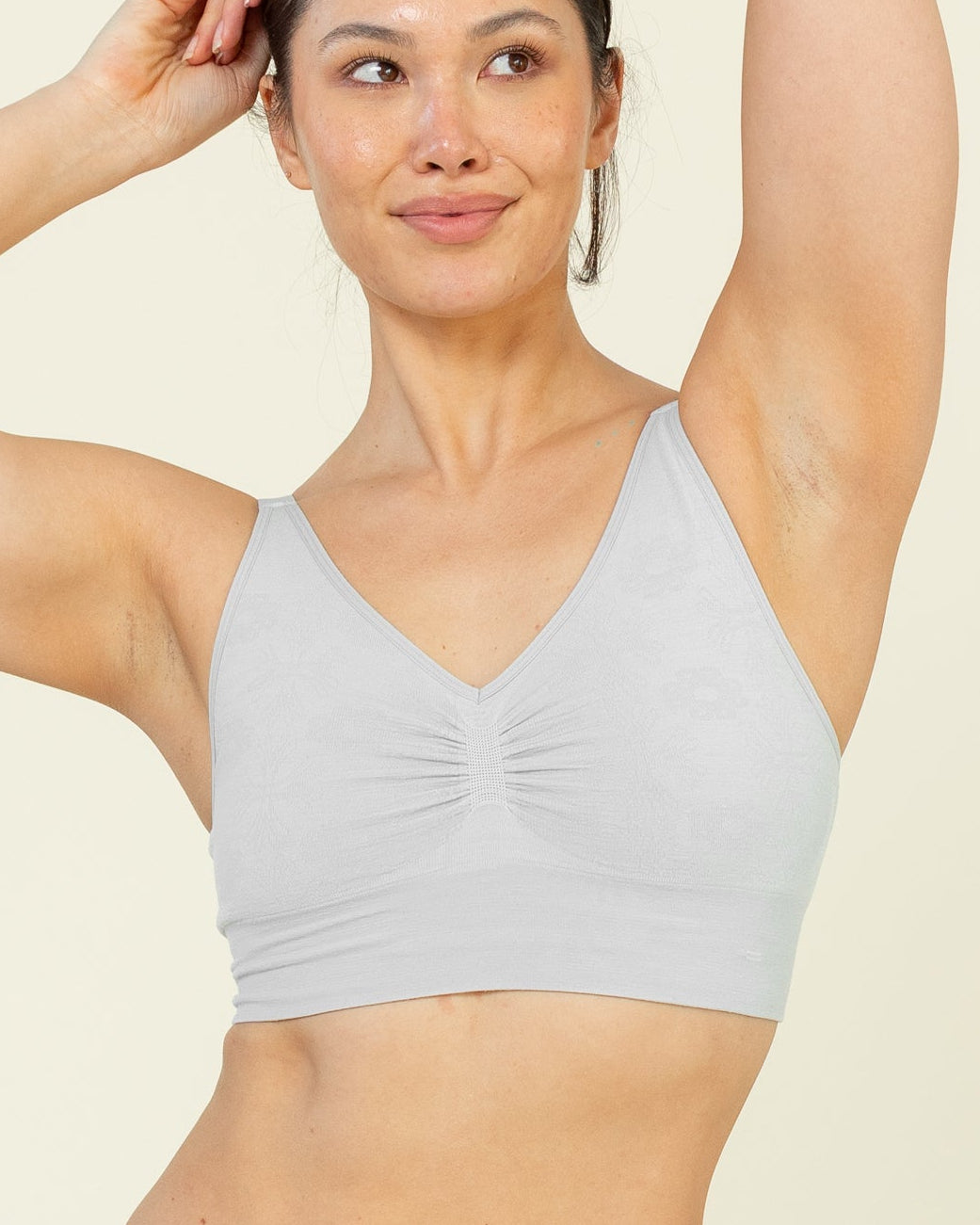
BRANWYN Note: The Supreme Bra is the first and BRANWYN Merino bra to feature an encapsulated design through a unique seamless scrunch for natural separation and removable sustainable bra pads for customizable coverage.

The Straps
“The straps are really there just to assist everything,” says Cvitkovic. “They help fine-tune the fit, but they shouldn’t be doing the heavy lifting.”
Straps can act like a calibration tool. This is especially helpful when you consider that most women naturally have one breast slightly larger than the other, says Cvitkovic. Adjusting strap length can correct for that, creating a more even, secure fit. Although some women prefer a “don’t mess with it” strap that comes in one length.
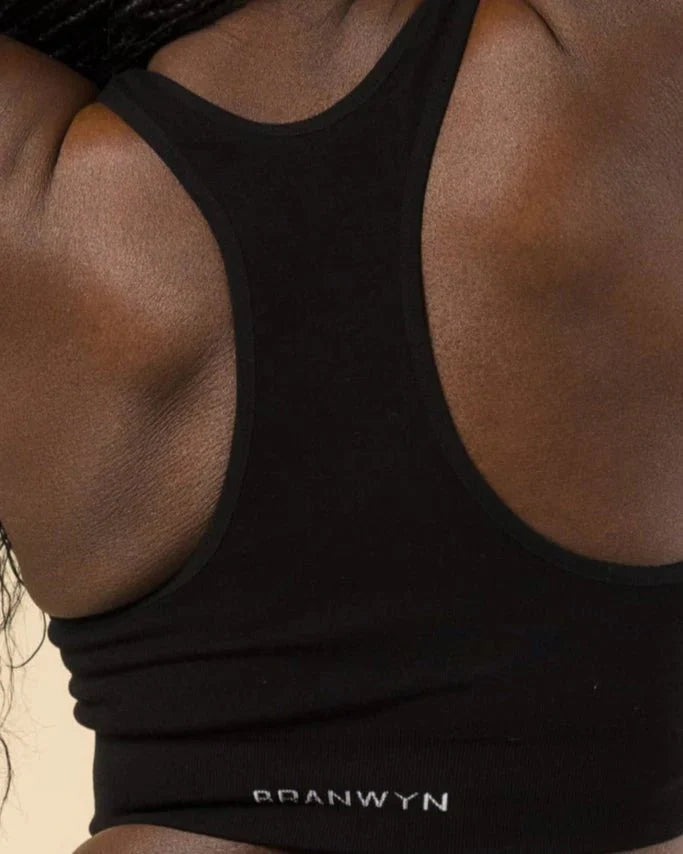
Where straps do make a bigger difference is in their configuration. Racerback styles consistently test higher for support because they pull everything inward and anchor more securely through the back. The tradeoff? They can be harder to get on and off, especially after a sweaty workout.
Traditional over-the-shoulder straps, on the other hand, are easier to wear and more versatile for everyday outfits, but may offer slightly less support for high-impact activity. Convertible designs split the difference, allowing you to switch between the two depending on what your day looks like.
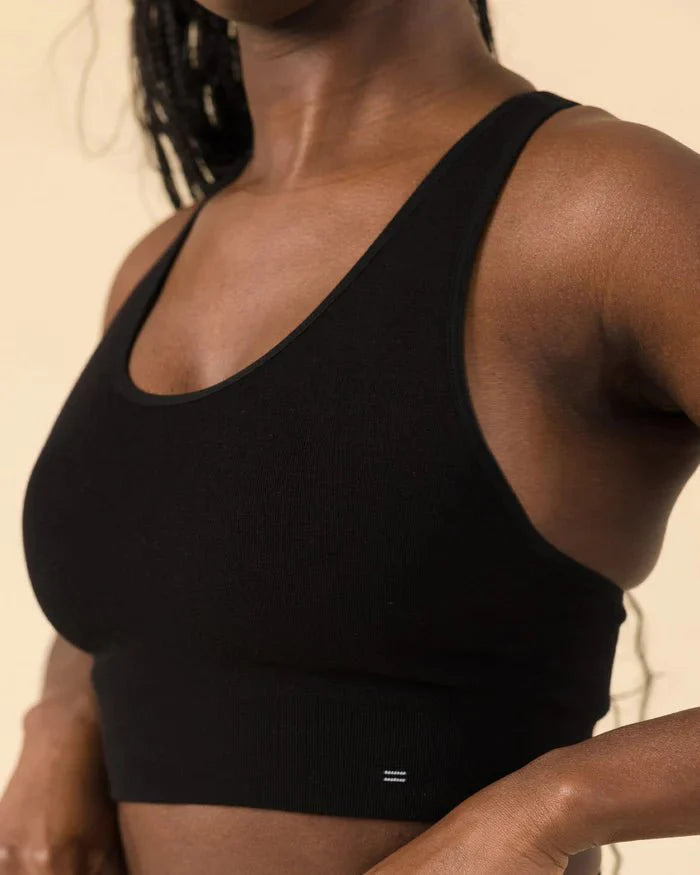
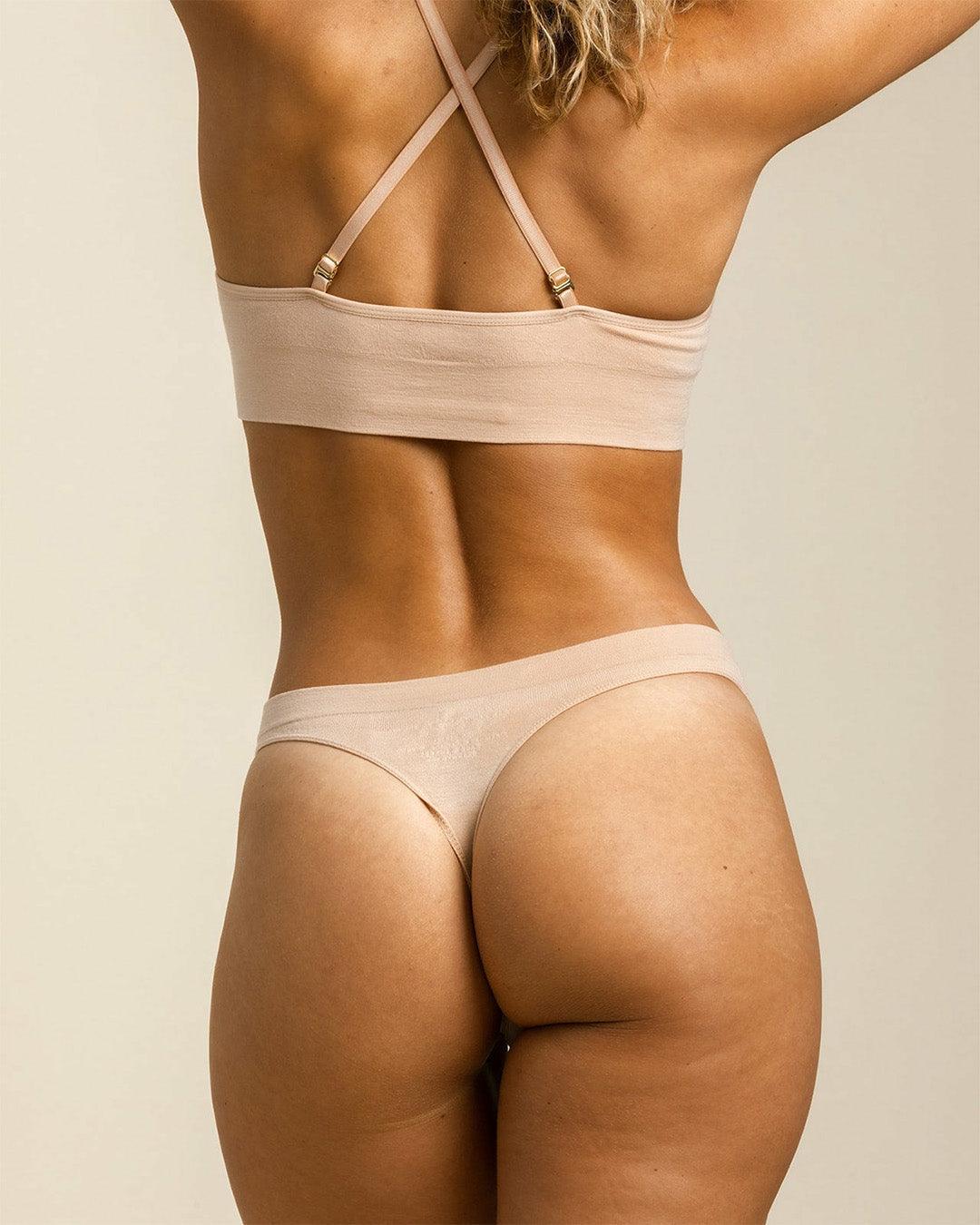
BRANWYN Note: The Essential Supreme, Essential Bralette, and Essential Busty Bra all include convertible, adjustable straps so you can tailor the support to your preference and activity, while getting the fit just right. The Essential Racerback Sports Bra features a thicker strap that cannot be adjusted.

The Material
If the band, cups, and straps create the structure of a bra, the material is what brings it to life. It’s what you actually feel against your skin as you sweat, move, heat up, and cool down. Most sports bras today rely on synthetic blends like nylon and spandex, designed for stretch and compression but not always for long-term comfort against the skin.
Merino wool is different. Evolved to keep the sheep it covers comfortable, Sarah Schlenger, wool expert and owner of Schlenger Advisory LLC says, “The same benefits the fiber gives to the animal who grows it, the fiber imparts to the humans who wear it. It is a physiologically balanced fiber. It can help you maintain high cognitive performance, high athletic performance, and better endurance simply because it works with your body.”
Keeping you comfortable as your body adapts to different temperatures and activities is where Merino wool stands apart. It’s naturally thermoregulating, meaning it helps keep you cool when you’re warm and warm when you’re cool. It also manages moisture by pulling sweat away from the skin and releasing it into the air, helping you stay dry without that damp, clingy feeling.
There’s also the question of sensitivity. Because Merino wool is an incredibly fine and soft natural fiber, it sits gently against the skin, reducing the risk of irritation, even during long days or high-output activities. And thanks to its natural antimicrobial properties, it resists odor, which means less frequent washing and less wear over time. Additionally, it’s free of harmful forever chemicals like BPA and PFAS, which studies show are present in many synthetic alternatives.
BRANWYN Note: Every single BRANWYN bra is crafted from naturally sustainable Merino wool for an exceptionally comfortable feel that moves and shifts with your body’s needs.
The Bottom Line
Remember, there is no “best bra,” only the best bra that works for you right now—and what works for you today might not be what you reach for next year. “Your body is constantly changing with hormones, activity, and life stages,” says Cvitkovic. “Women change over time. We even change in a single day!” Listen to what your body is asking for, and feel empowered to evolve your choices right along with it.
We want to know: What do YOU look for in a bra? Or do you wear one at all? We love to hear from you any time so please contact us at info@branwyn.com or on Instagram at @BRANWYNofficial.