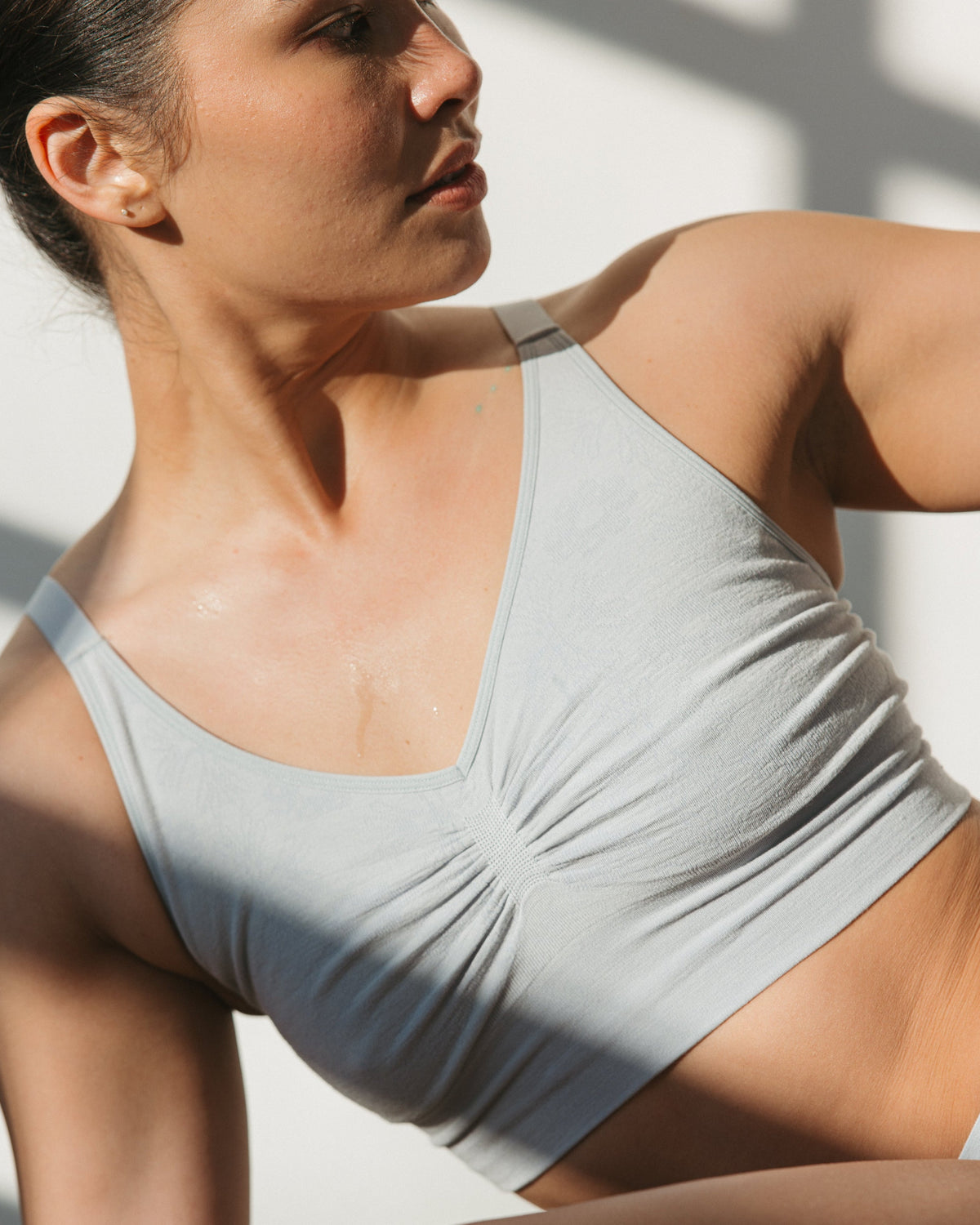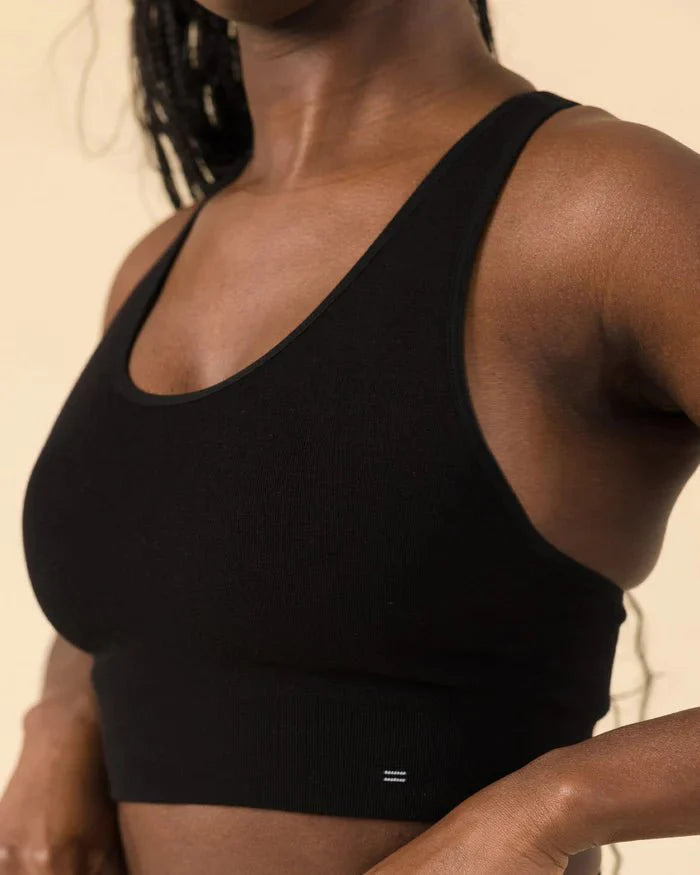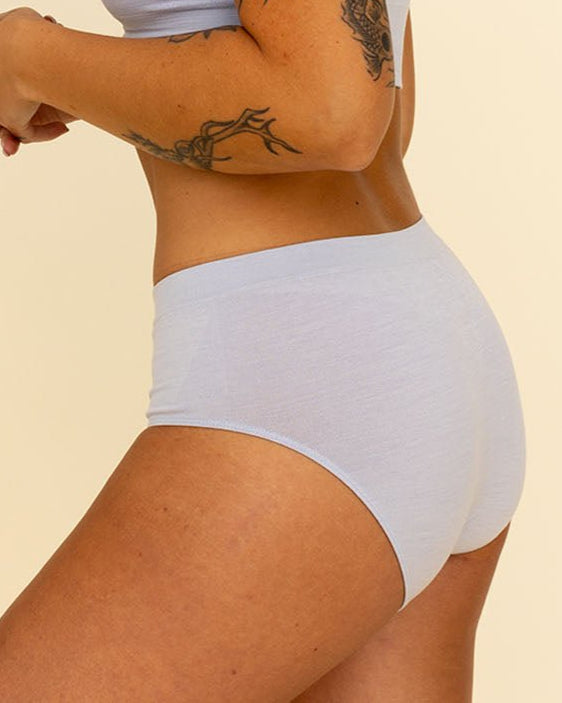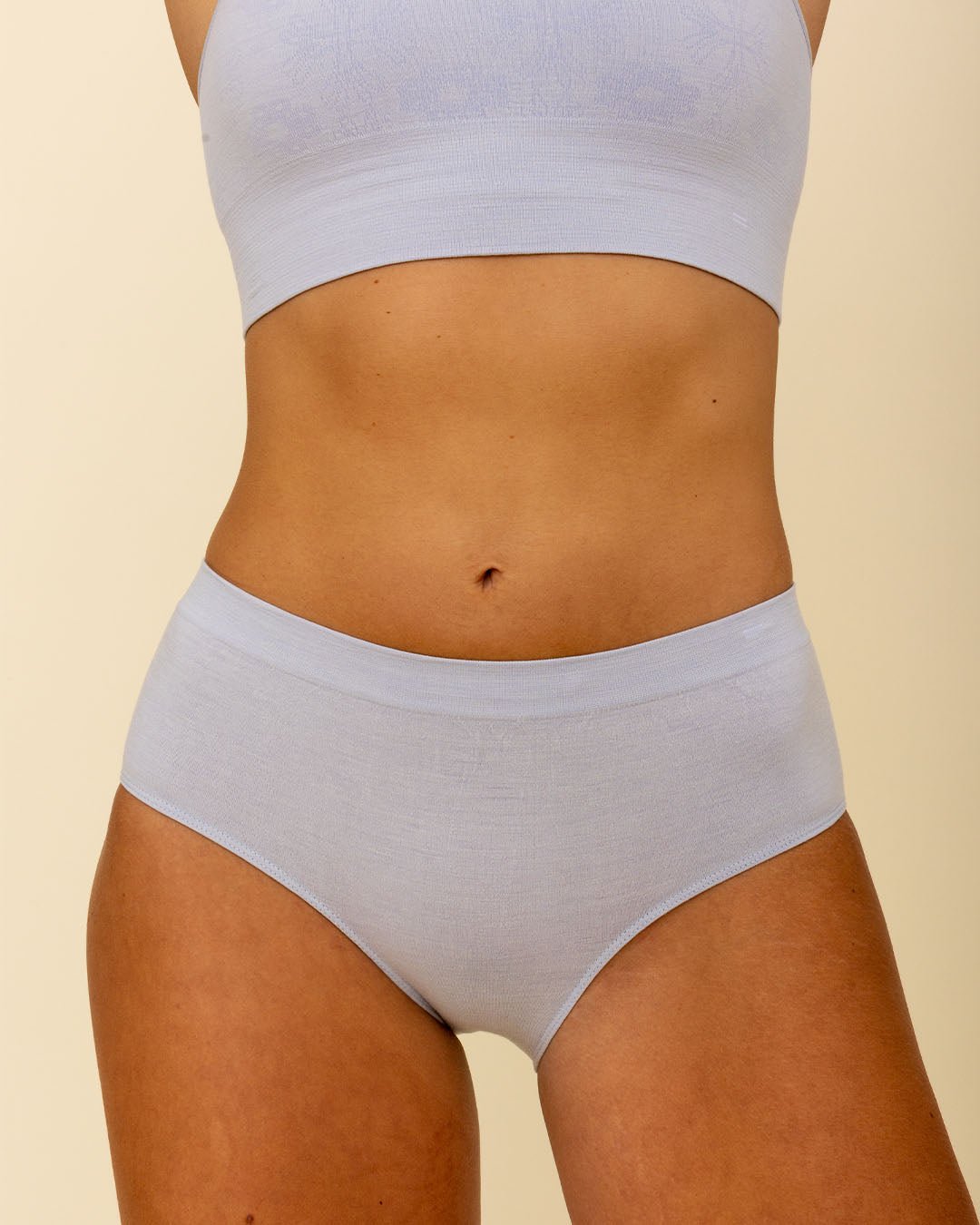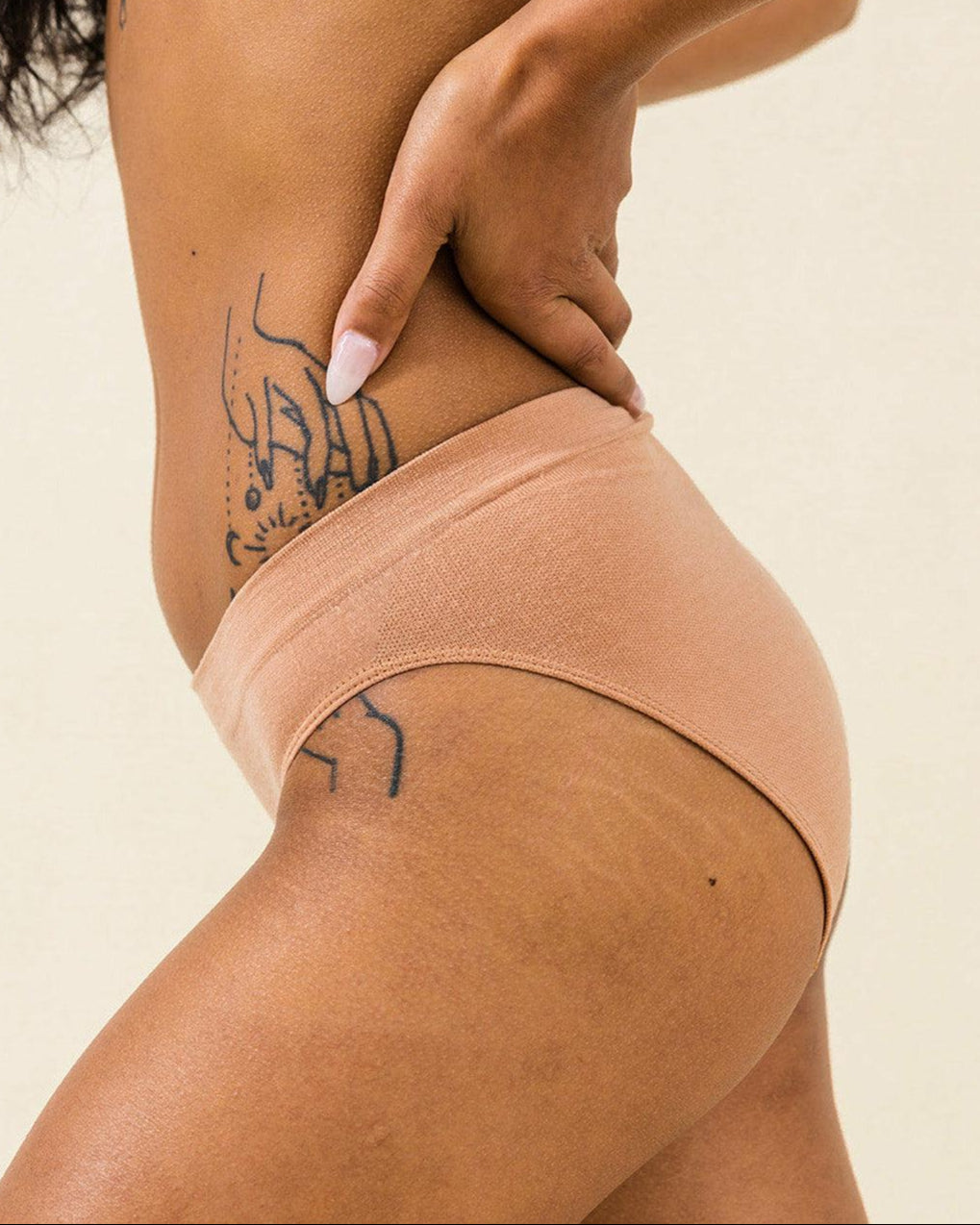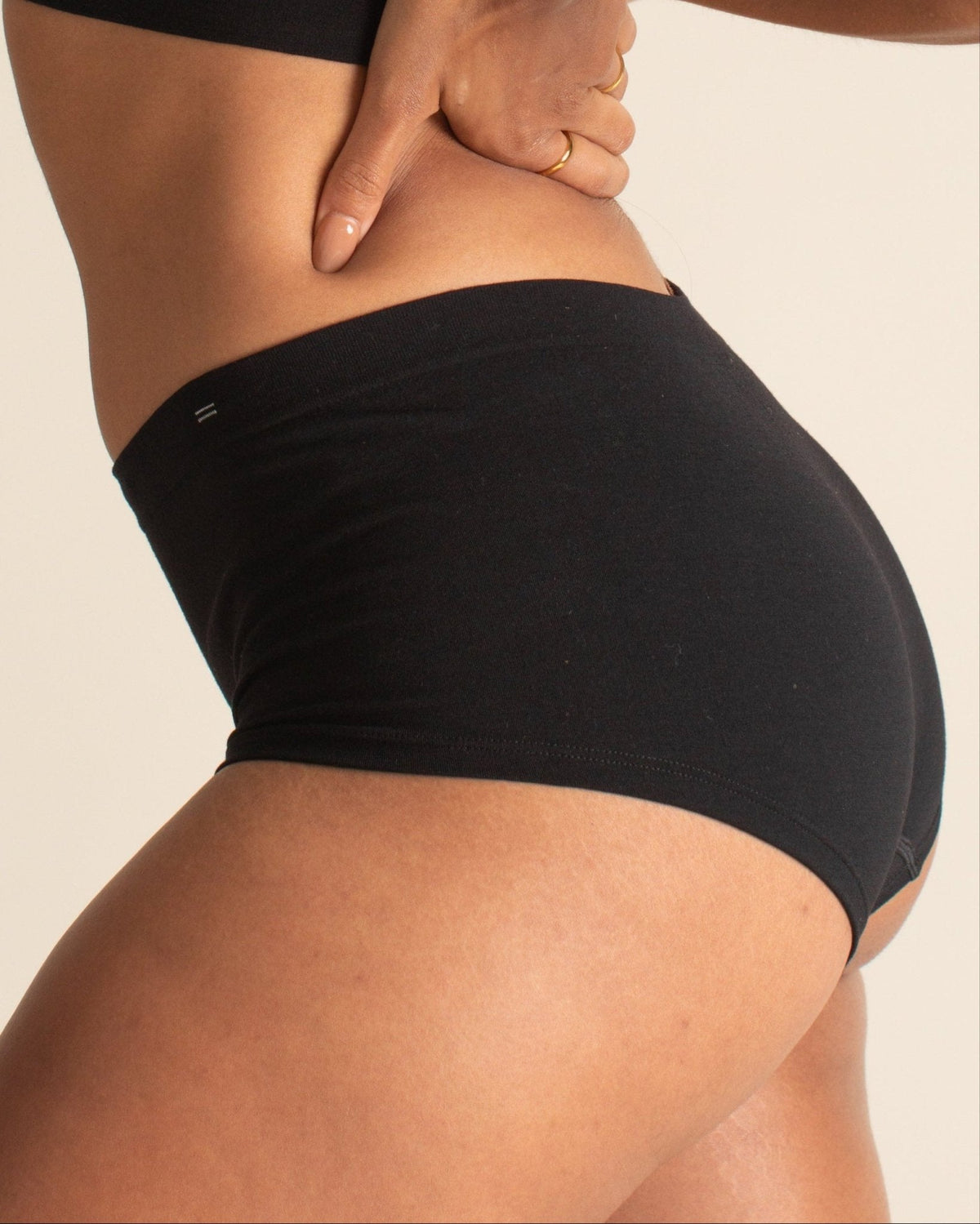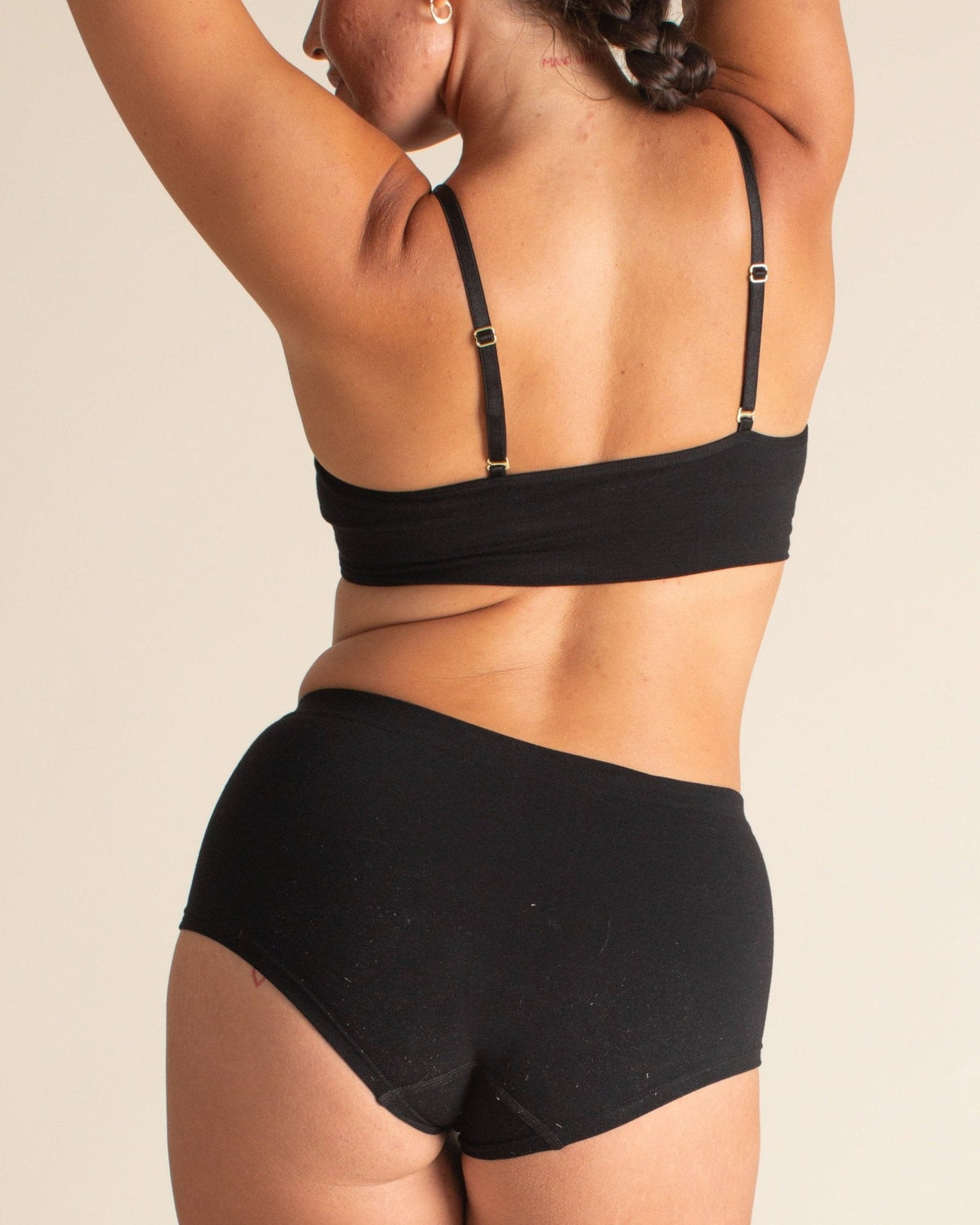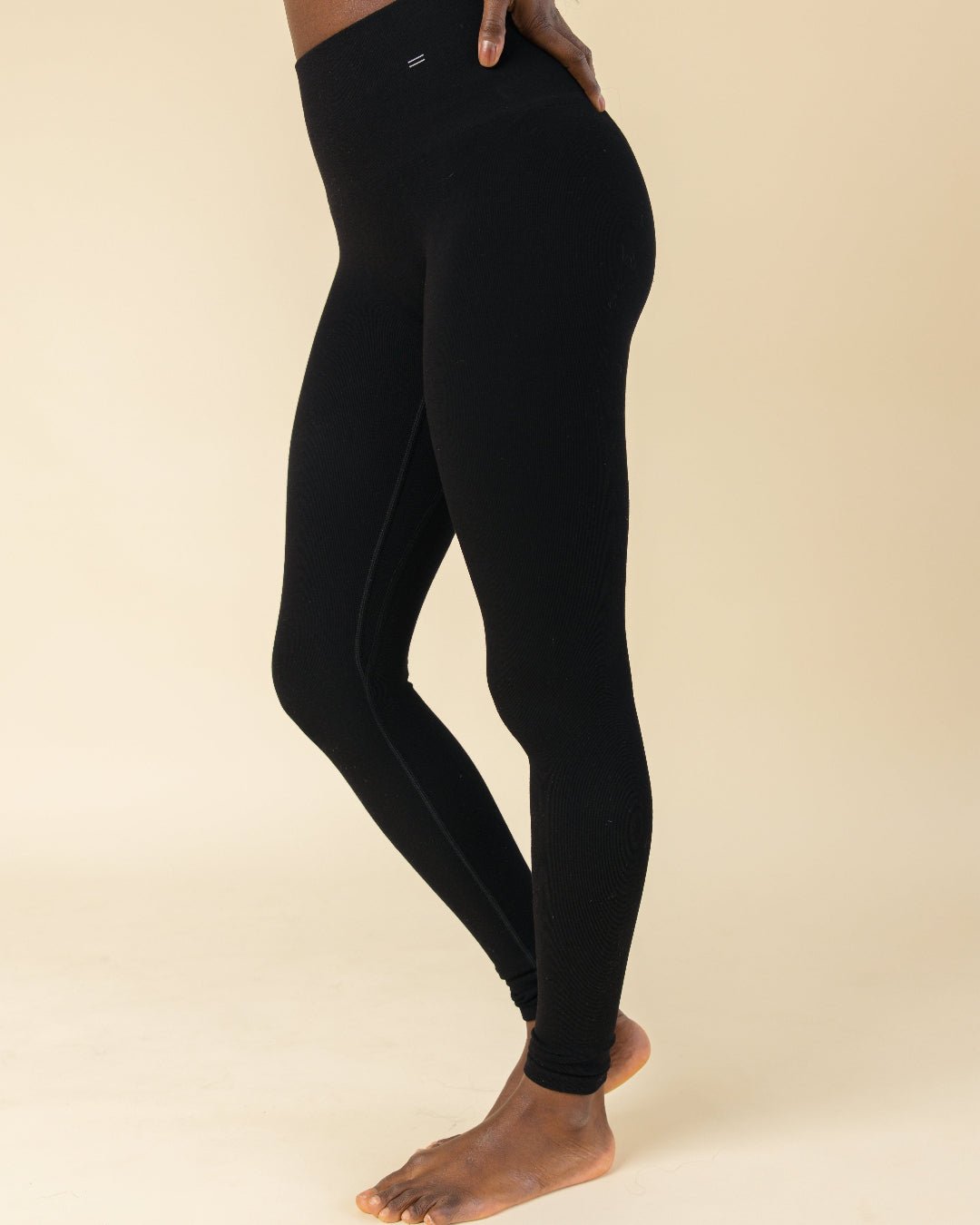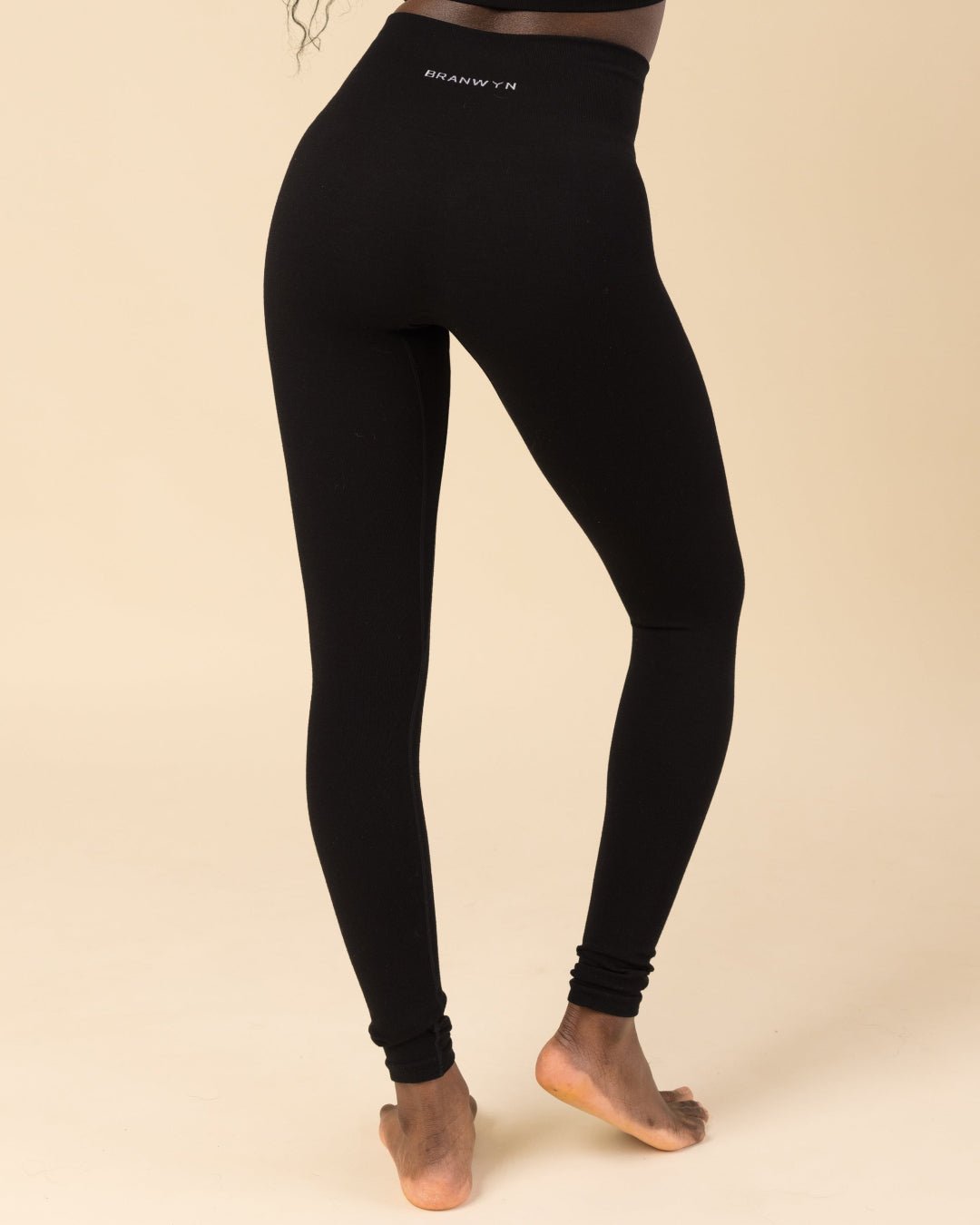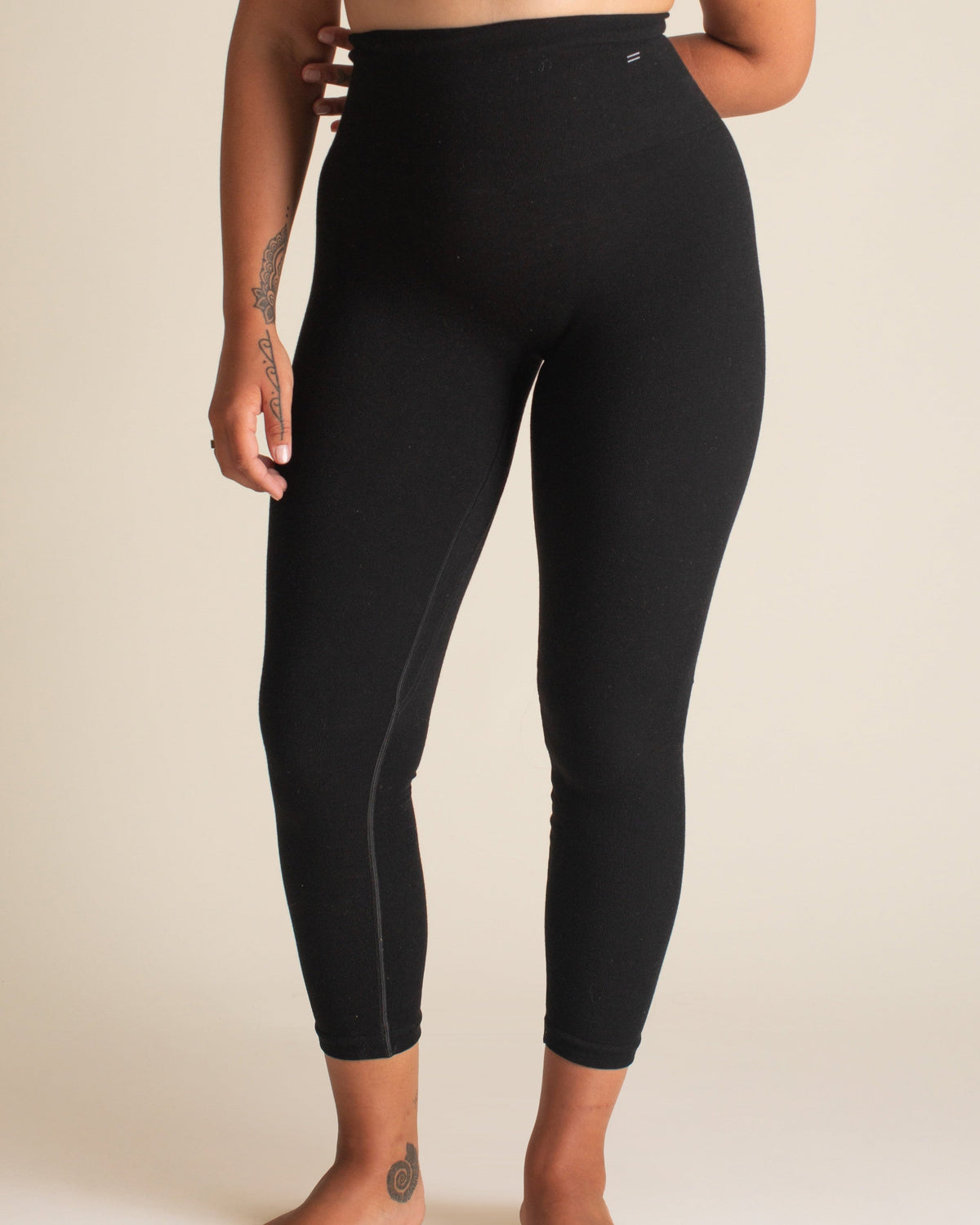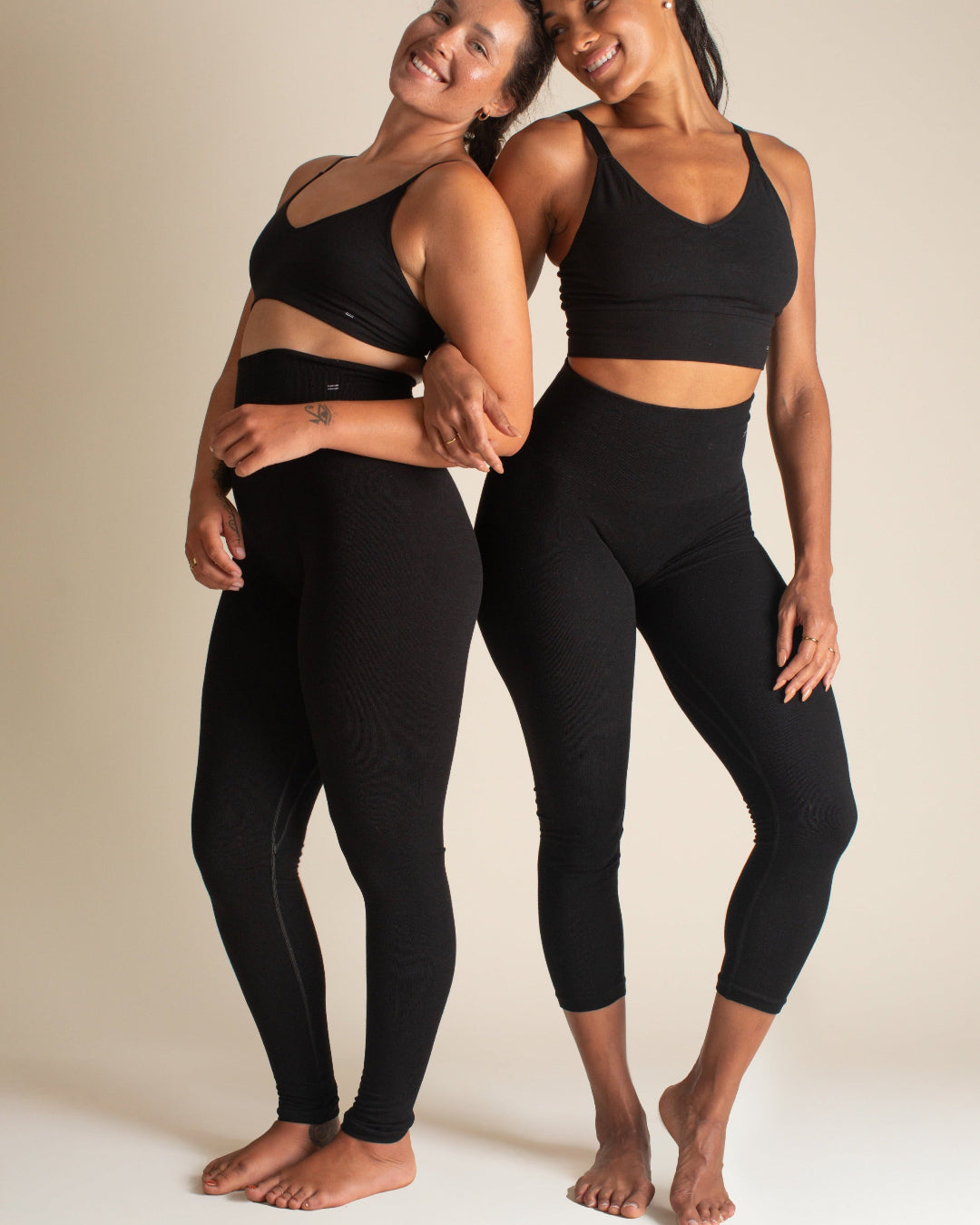

Every piece of clothing has an origin story, but rarely do we, as the wearer, get to see that story play out in real life. That’s why we’re inviting you to come with us deep into the mountains of New Zealand, where the fluffy artisans behind BRANWYN’s seamless Merino wool Performance Innerwear roam free.

A Trip to New Zealand's South Island
This winter, BRANWYN CEO Deanne Buck traveled multiple time zones, hours, and airports to meet the handful of growers who tend to the Merino sheep behind our wool. The trip, in partnership with Zentera, was sparked by our transition from ZQ to ZQ+ wool, an even higher standard of traceability, land stewardship, and exceptional fiber quality.
So what do those commitments actually look like on the ground?
As one of our shepherdesses, Annie McCaughan, from Geordie Hill Station put it, “If I could meet a woman in America, I’d love the opportunity to take her hand and roll up the hill with her and meet our ladies [aka the sheep!] who make all this beautiful fiber. I think it’s important that they know where it comes from and that they can wear it very proudly.”
So come roll up the hill with us.
We’re taking you to the Mackenzie Basin in New Zealand’s South Island, where thousands of Merino sheep roam across vast golden landscapes, tended by growers and shepherds who live on the land and dedicate their days to the wellbeing of their animals and the health of the places they call home.
“The work is incredible,” says Annie. “It’s hard, but it’s pure. There’s a lot of purpose.”
Consider these our field notes: a closer look at the people, places, traditions, and, of course, sheep behind the Merino you wear every day.

Rolling hills. Snow-capped peaks. Sheep country stretching out below. Our journey to the source of BRANWYN’s Merino begins on New Zealand’s South Island with shepherdess (and pilot-in-training) Annie showing us the lay of the land.

First night in New Zealand: dinner with a table full of the growers behind our wool. Some had traveled from stations across the South Island to be there—and suddenly our supply chain had names, faces, stories, and a lot of good conversation. For many of the growers we met, this life goes back generations. The knowledge is inherited, but each generation has to decide for themselves whether they're going to carry it forward.

We brought BRANWYN pieces for the growers, and their reaction said it all: “This is our sheep.” For them, it was a chance to hold the finished product. For us, it was a chance to meet the people at the very beginning of it.
Meeting The Sheep That Power BRANWYN

An early alarm is worth it when this is your morning commute. We headed out at sunrise as the station came to life: sheep across the hills, dogs ready for work, and a whole lot of land ahead of us.
You don't really understand the scale until you're standing in it. These stations stretch for miles and can be home to thousands of sheep—with room to roam across an almost impossibly vast landscape.

Caring for sheep here also means knowing the land: where the best feed will be at a certain time of year, how the weather is changing, where the flock has moved and what the animals need at each stage of the season. Even within the South Island, every station we visited was different: different terrain, acreage, flock sizes and challenges. There’s an intimacy with the landscape that comes only from living and working on it every day.
Finally, the moment we'd been waiting for: meeting the sheep behind our Merino.

Lesson learned quickly: don't walk straight up to a sheep for a cuddle. They're curious but sensitive creatures who like their space, and apparently prefer an introduction that doesn't happen head-on.

We also learned sheep have personalities. Case in point: OhGood (pictured above), who simply wasn't interested in hanging out with the rest of the flock. She much preferred treats and one-on-one time with Annie. We respect an independent spirit.
Merino Sheep Dogs


Watching the working dogs was mesmerizing. A whistle can hold one dog back, send another forward and help guide an entire flock across the landscape. The connection between shepherd, dog and sheep is its own language.
Of course, sometimes a dog decides not to listen. One morning, one of the working dogs wasn't exactly taking direction. Even on a sheep station, coworkers are coworkers.

By mid-morning, everyone comes back together for “smoko,” a station tradition with roots in the old cigarette-break days. Now it means a huge spread of food, comparing notes on the morning, checking the weather and making a plan for what comes next.

Shepherdess. Scientist. Pilot-in-training. Annie stepped into life on her partner's family station and brought her own perspective with her, including her background as a veterinarian and science-backed ways to monitor and better understand the health of the sheep.

The growers know one thing for sure: you can't separate the quality of the fiber from the wellbeing of the sheep. “The number one rule with our farming is to look after your animals,” Annie says. “If a sheep is stressed at any point in its life there could be breaks in the wool. As long as they are happy and healthy, there will be no breaks in the wool and create a good quality product.”

Regeneration looks different on every station. At one, that meant finding a way to preserve feed for the snowy months using natural lime instead of the plastic wrapping that’s typically used. One grower told us about a major snowstorm when they had to bulldoze a path for miles so the sheep could make their way down to food. Out here, caring for the flock is just what you do—whatever the weather brings.

Since it was late summer in New Zealand, all the sheep had had their annual haircut by the time we arrived. A sheep's fleece comes off almost like one big blanket before being spread across a gridded table, cleaned and sorted by practiced hands.

Then comes a skill that almost has to be seen to be believed. An experienced wool grader can handle the Merino fiber and call out its classification: 17.5 microns. Fiber length, diameter, quality, and color that meet BRANWYN's specifications make their way into our bin (and later on to your body).

By the end of the trip, it was impossible to look at our Innerwear in quite the same way. Each one carries a piece of this part of the world: the sheep, the landscape, the people, and a way of life that stretches back generations.
Special shoutout to:
Zentera: esp. Natalie Norman, Lily Gamble
Jason Larraman (photos and moving image: https://www.maninyourhead.co.nz/)
Geordie Hill growers, team, family: Annie McCaughan, Matt and Jo McCaughan