
Often, the best ideas come in the dead of night, when the world quiets down, and the mind has more room to wander. That was the case for outdoor industry legend Sally McCoy in 1987, when she dreamt up the concept of the world's first sleeping bag designed specifically for women. But the then-Director of Equipment for The North Face wasn’t tucked into bed at home. McCoy was high on Mount Everest, trying to rest in a bag that wasn’t built for her as she sought to become the first American woman to reach the summit.
“I was at 20,000 feet, and it was cold—maybe 20 below,” she recalls. “My sleeping bag was built for someone who was 6 feet tall, and I’m 5-foot-4, the height of the average American woman.” At that moment, McCoy knew that this was a gap that deserved to be filled, and that if the design was thoughtful, it could be a success.
Seven years later, she served as President of Sierra Designs and had the opportunity to make her vision come to life. Instead of just looking at a woman's size and shape, she considered the body’s biological needs. “I did some work with the Stanford Sleep Clinic to learn about sleep. Women are very hormonally driven,” she explains, and have different temperature needs and muscle-fat makeup than men. “We put more insulation in the chest and more in the feet,” she says. When it was ready to go to market, she gave it the name Calamity Jane.
This sort of intentional design, understanding women’s particular needs and building from the inside out, might not seem novel—but in a world of products that largely caters to men and centers on the concept of keeping the outside (think rain, wind, sleet) out, it can be revolutionary. “I had people tell me that we wouldn’t sell any [sleeping bags],” says McCoy. “We sold 18,000, which is a ginormous number the first year.”
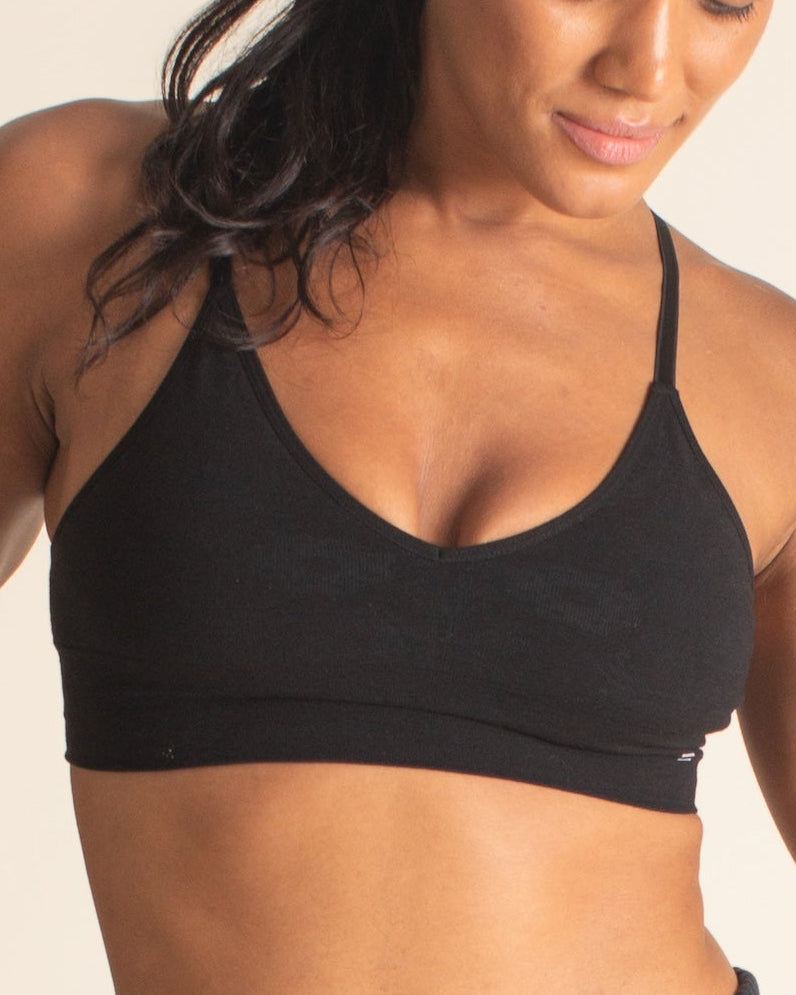
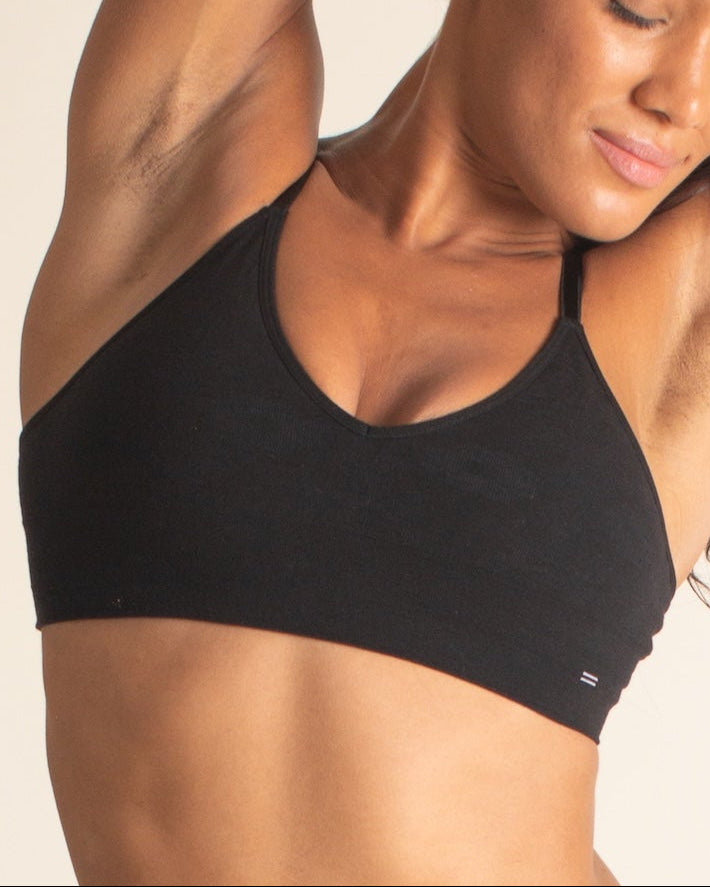
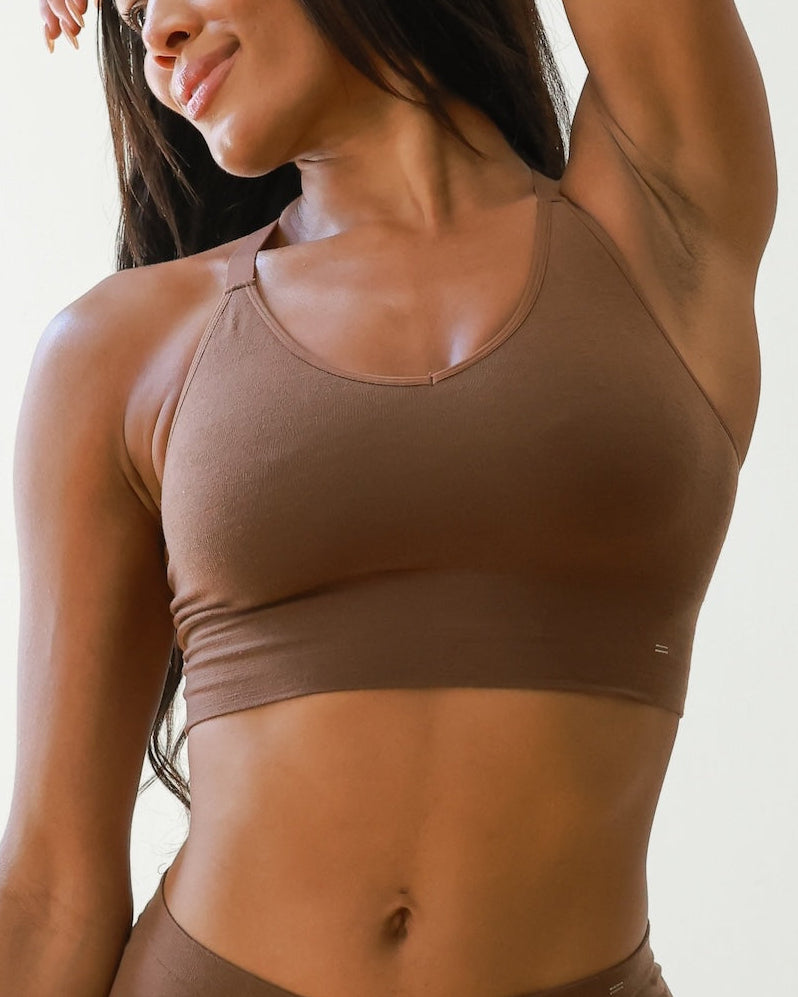
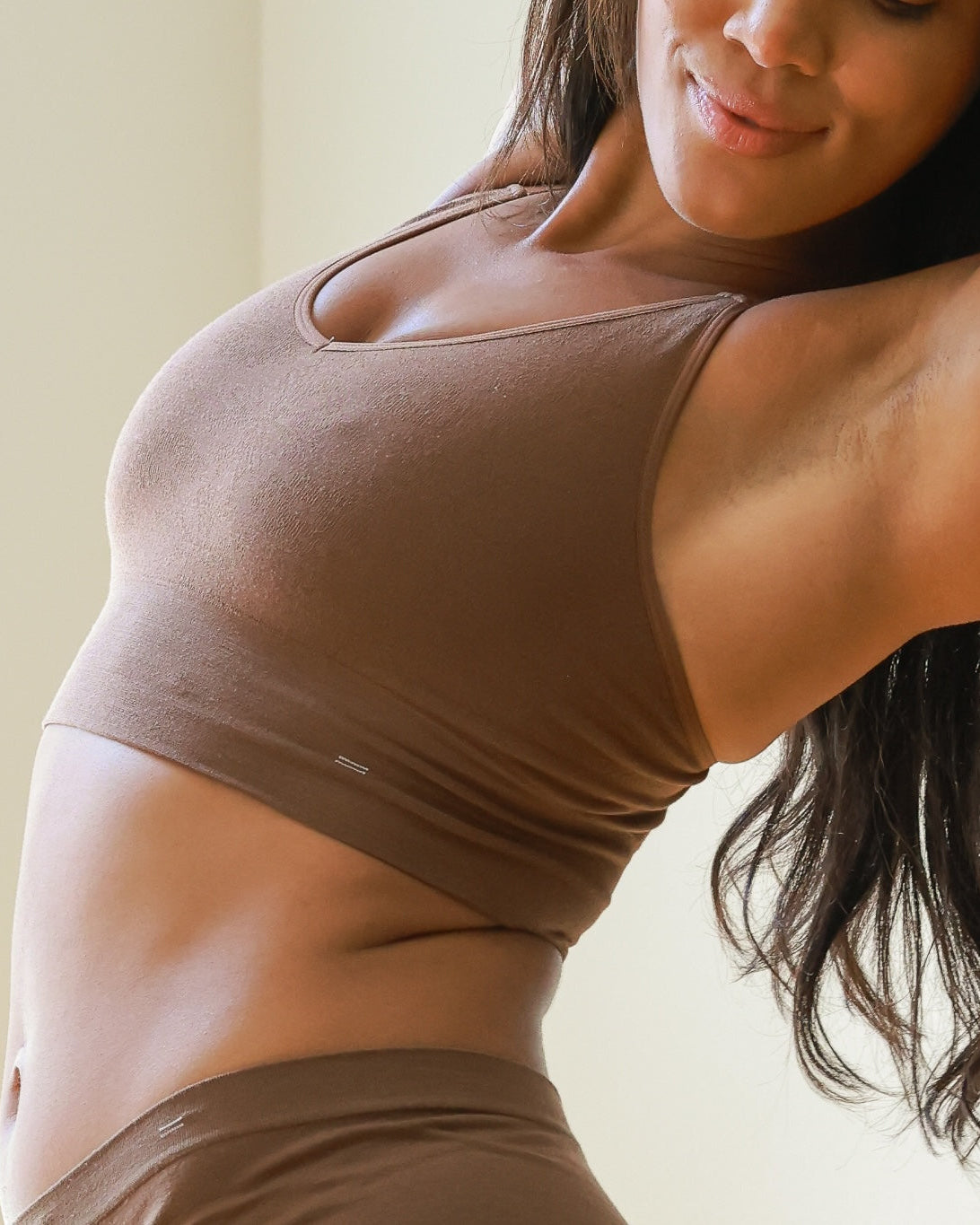
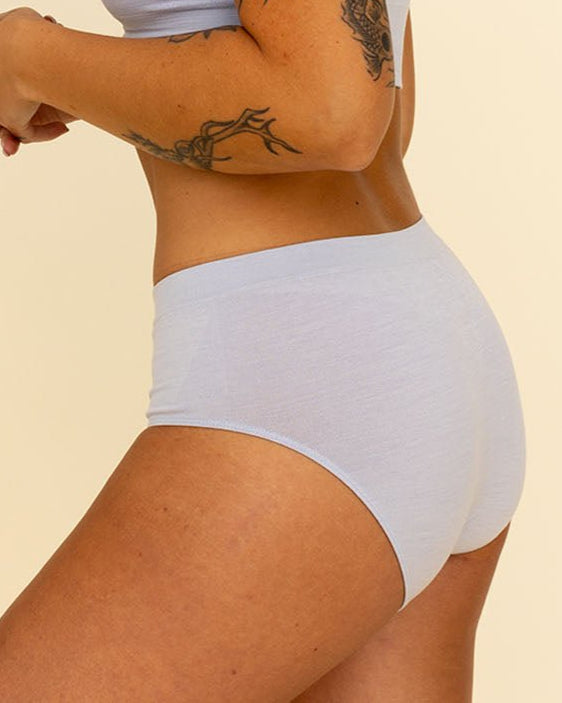
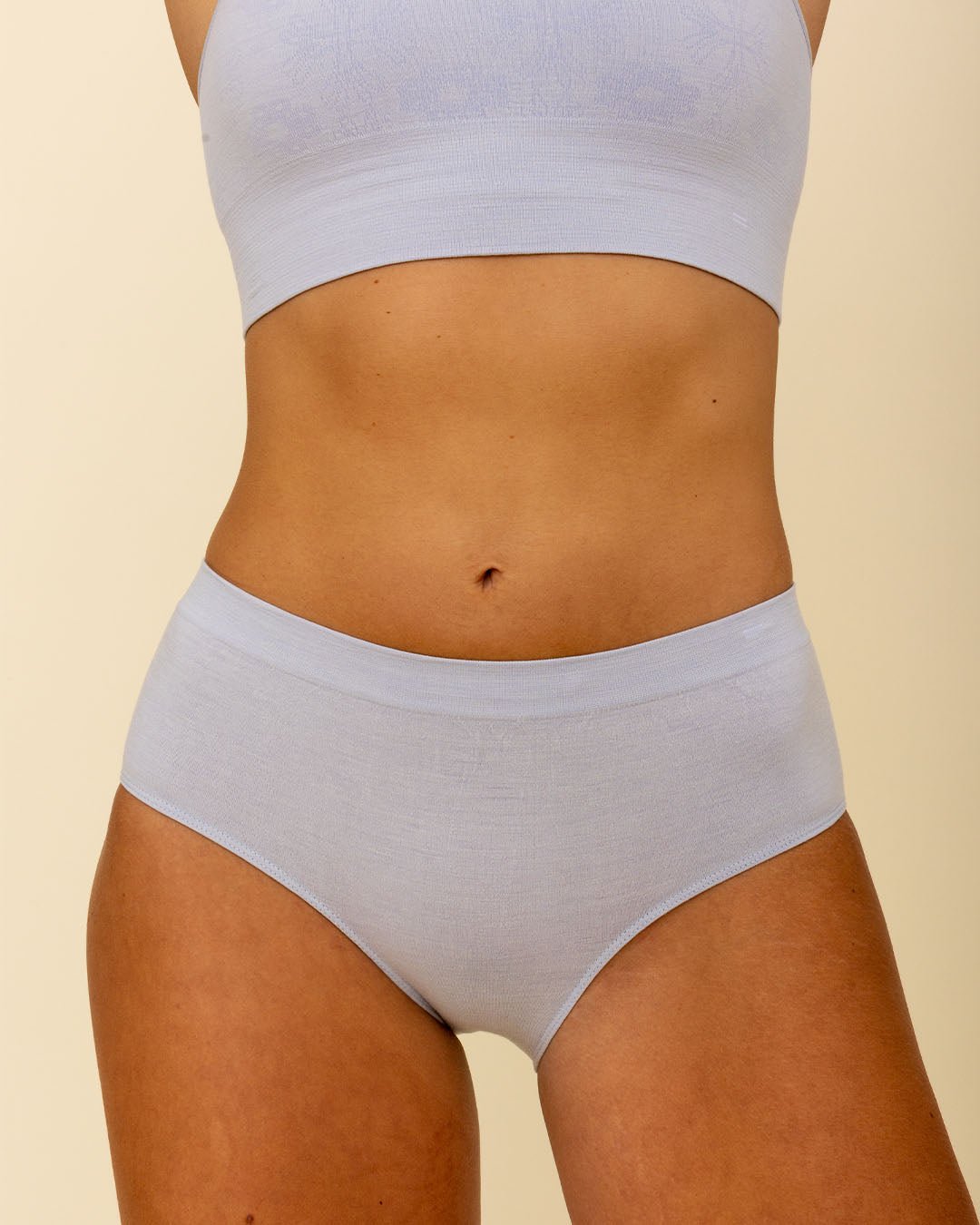
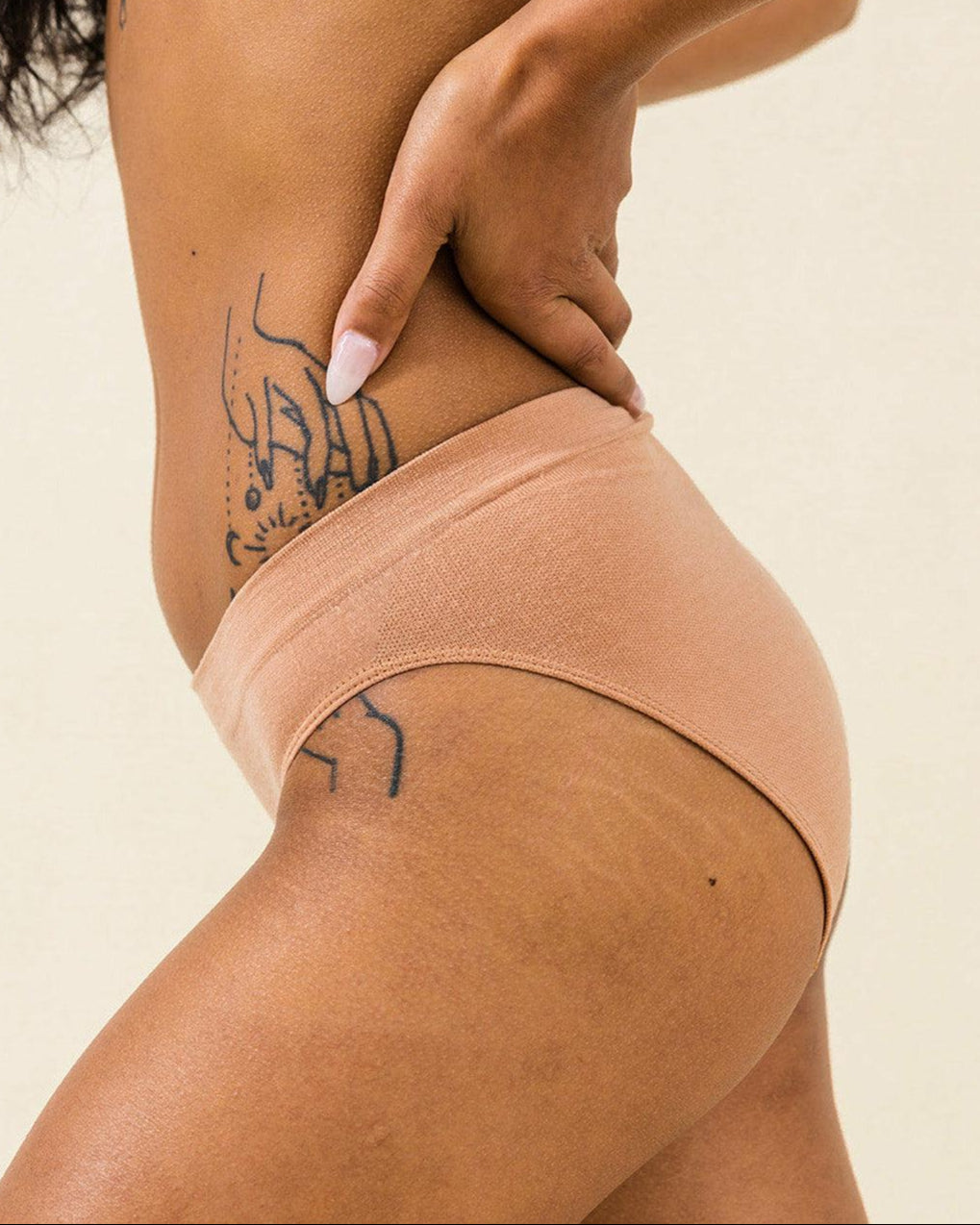
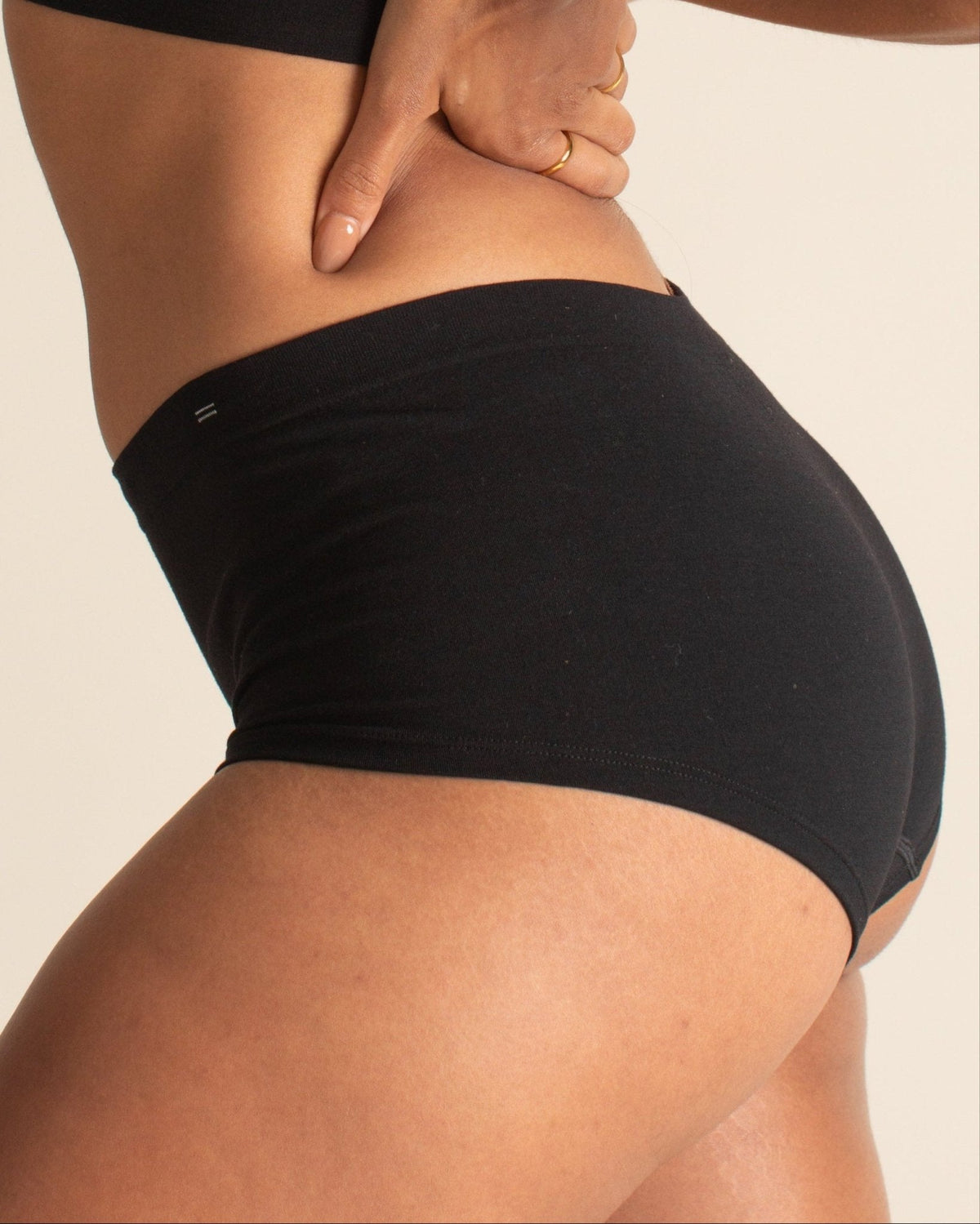
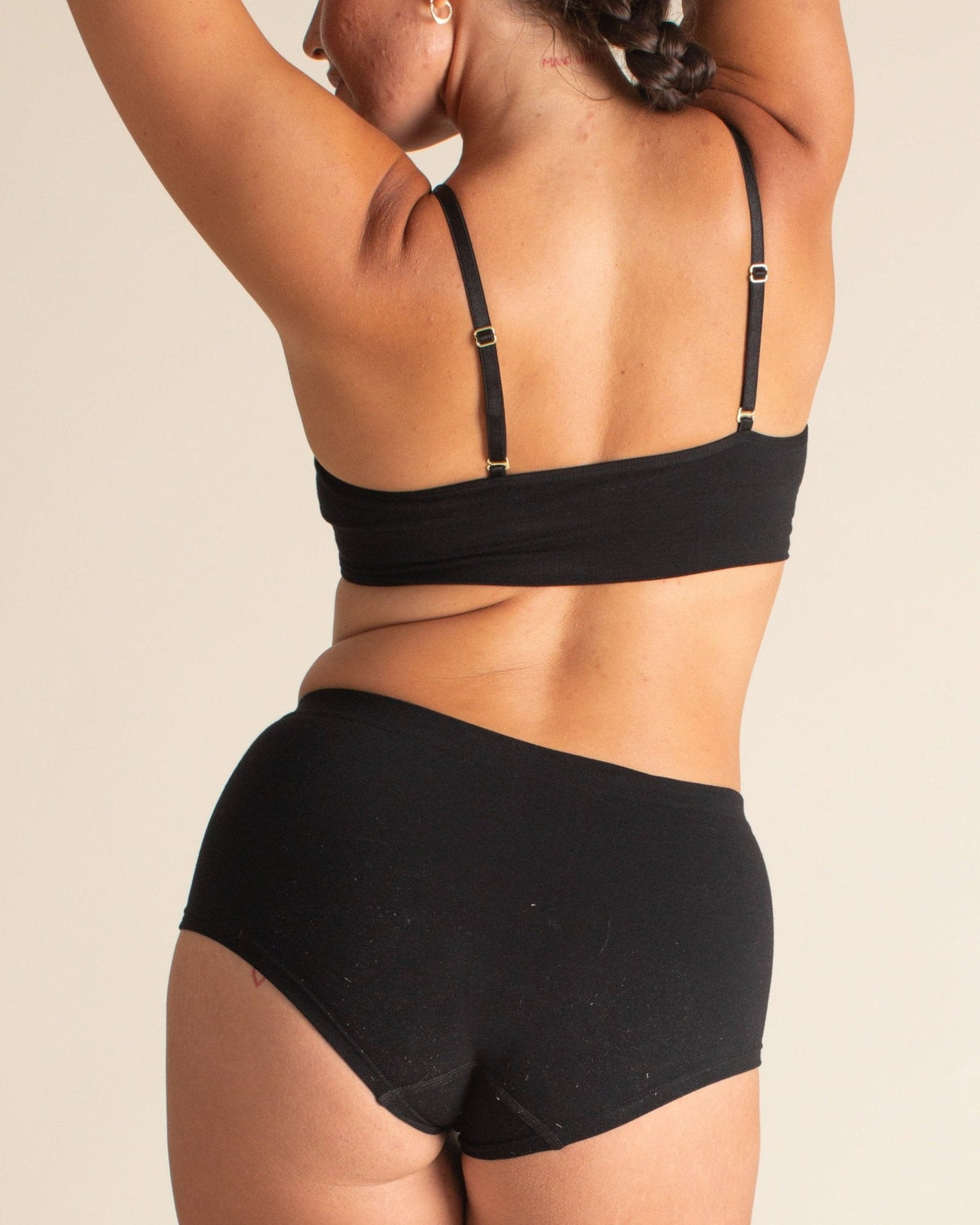
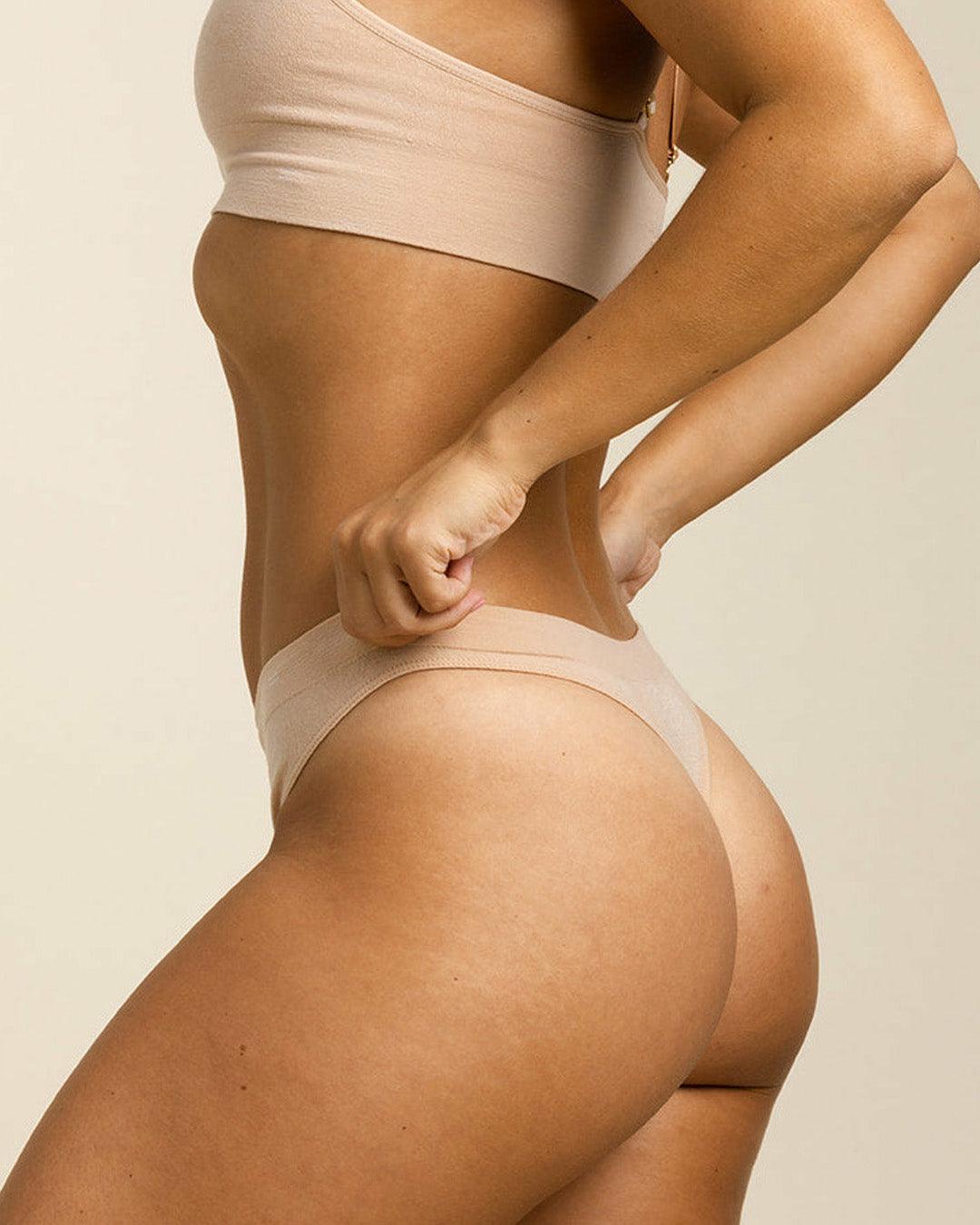
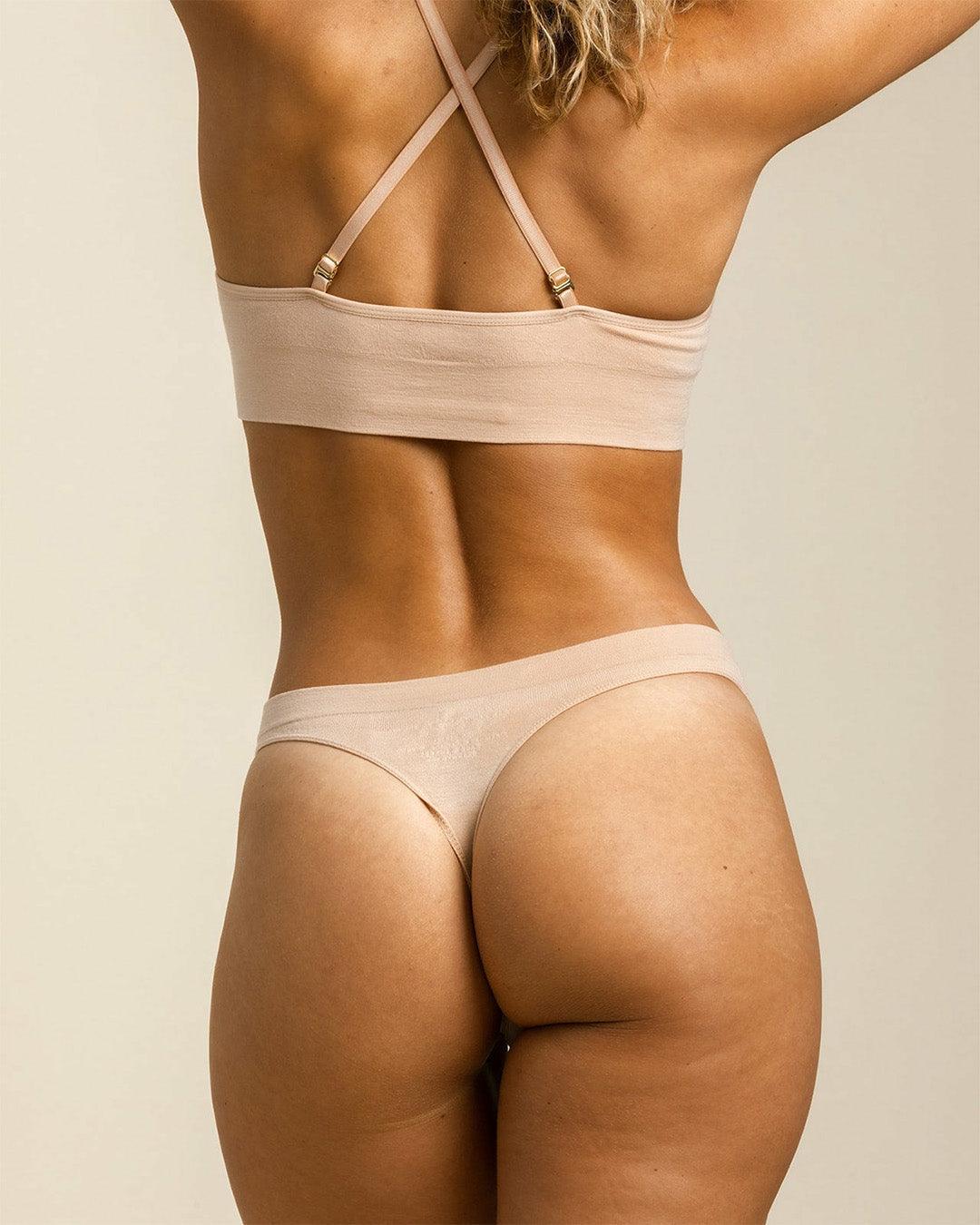
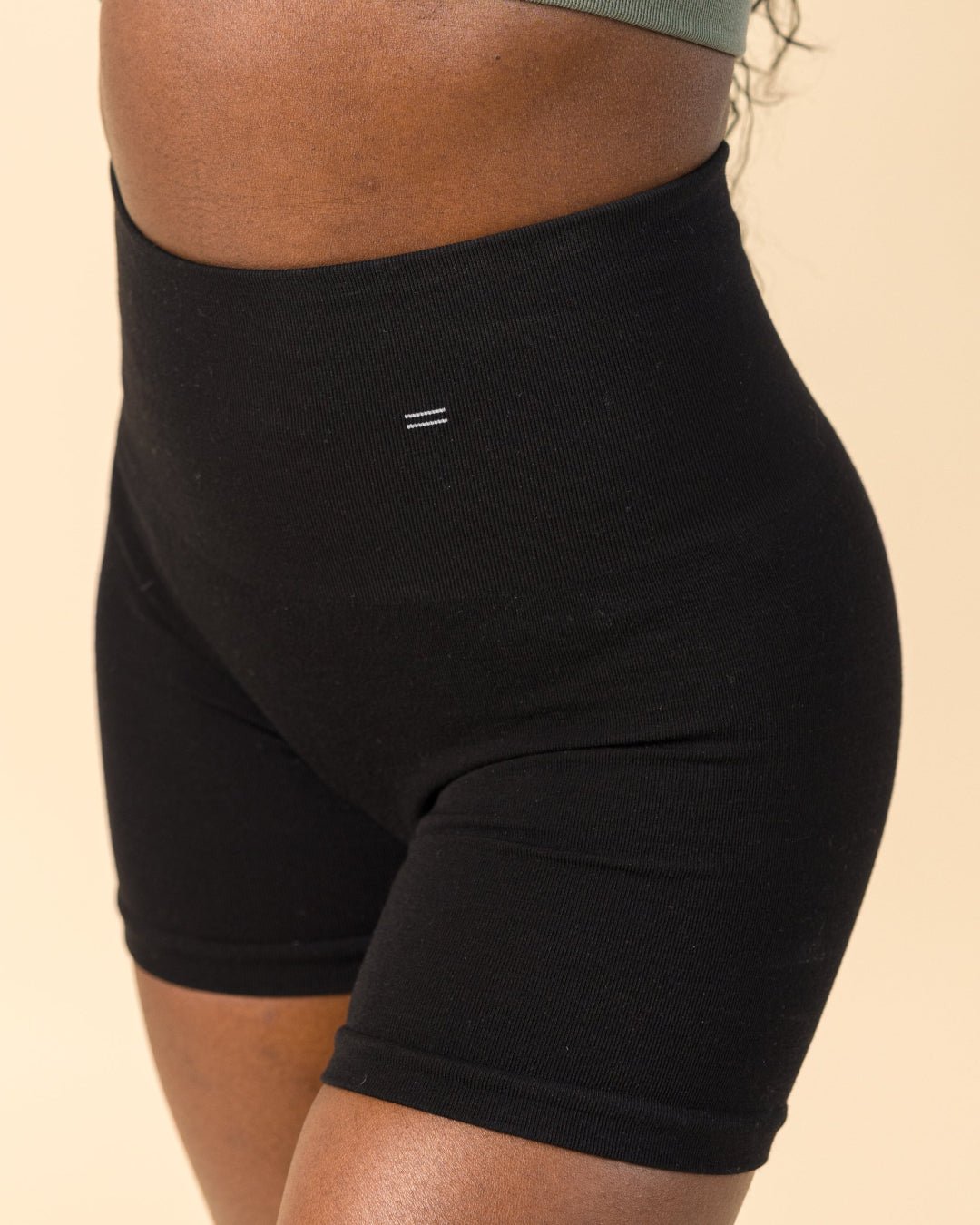
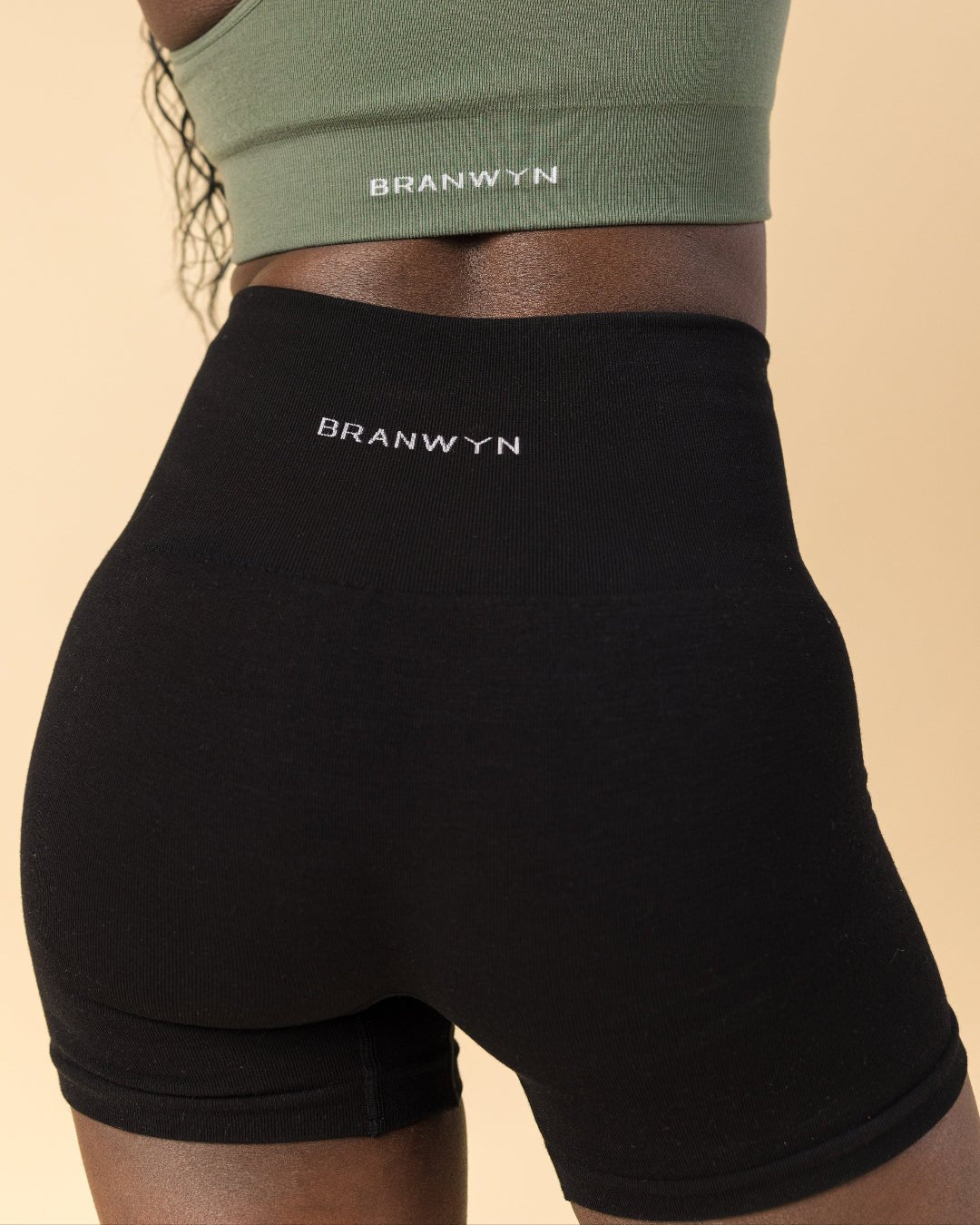
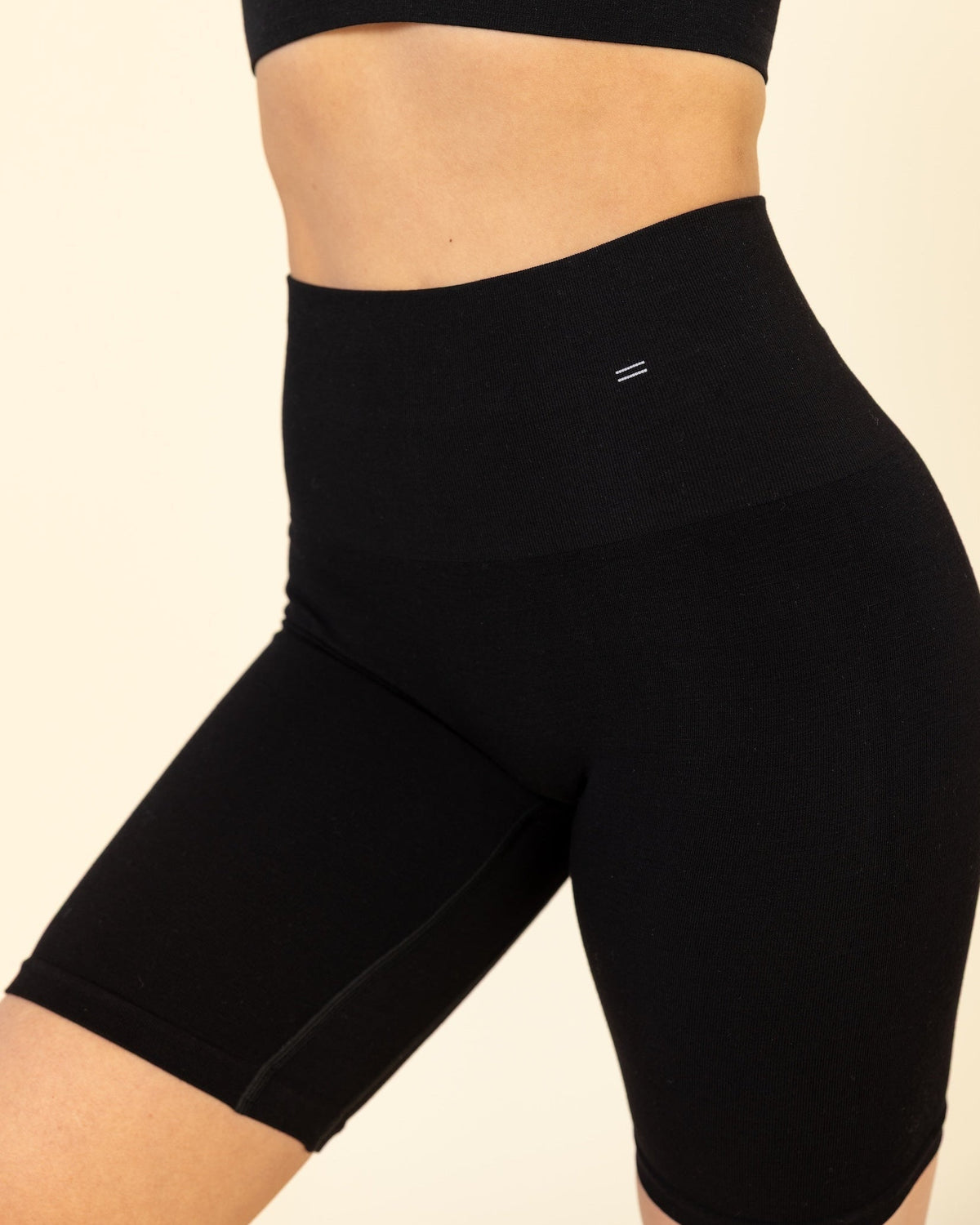
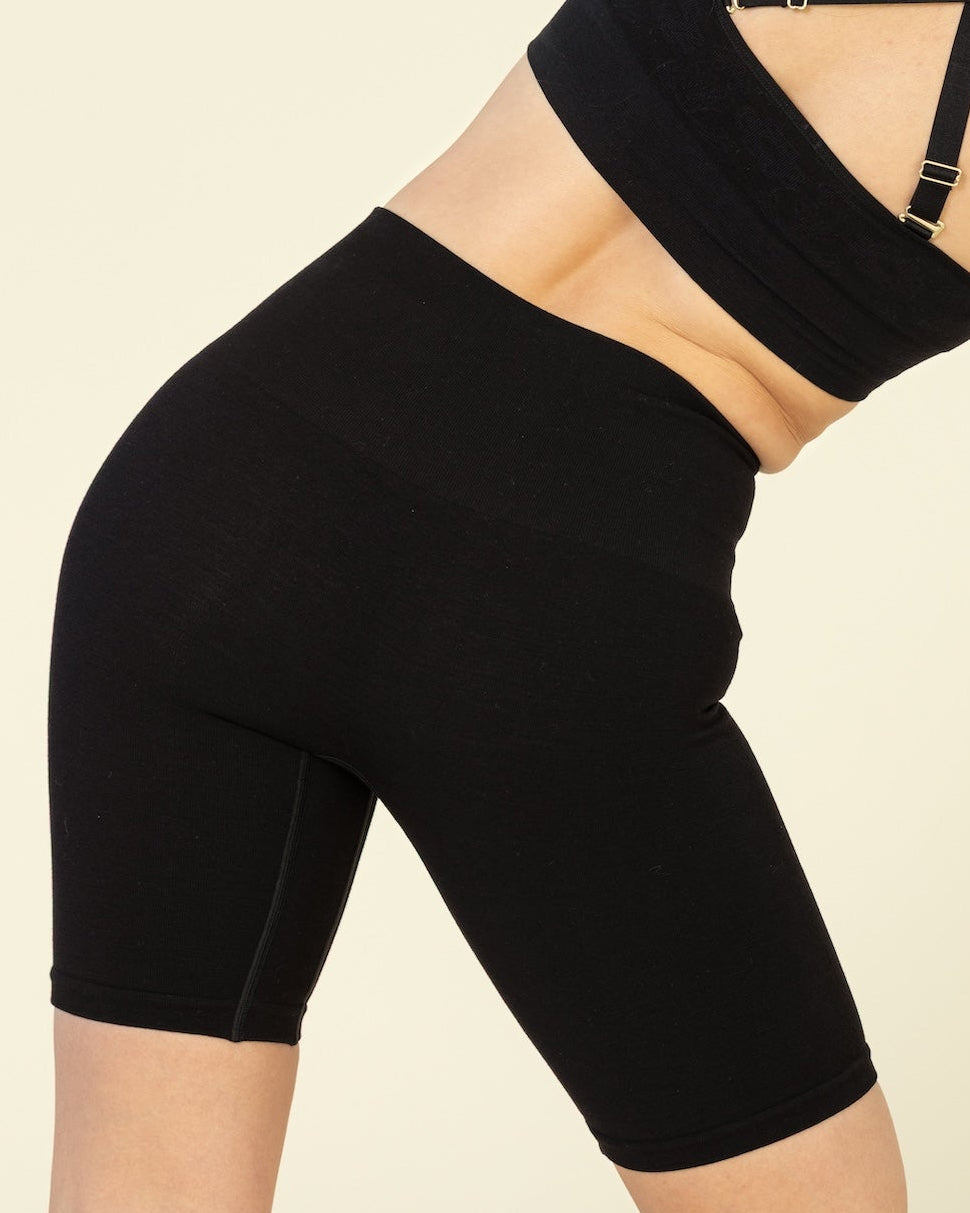
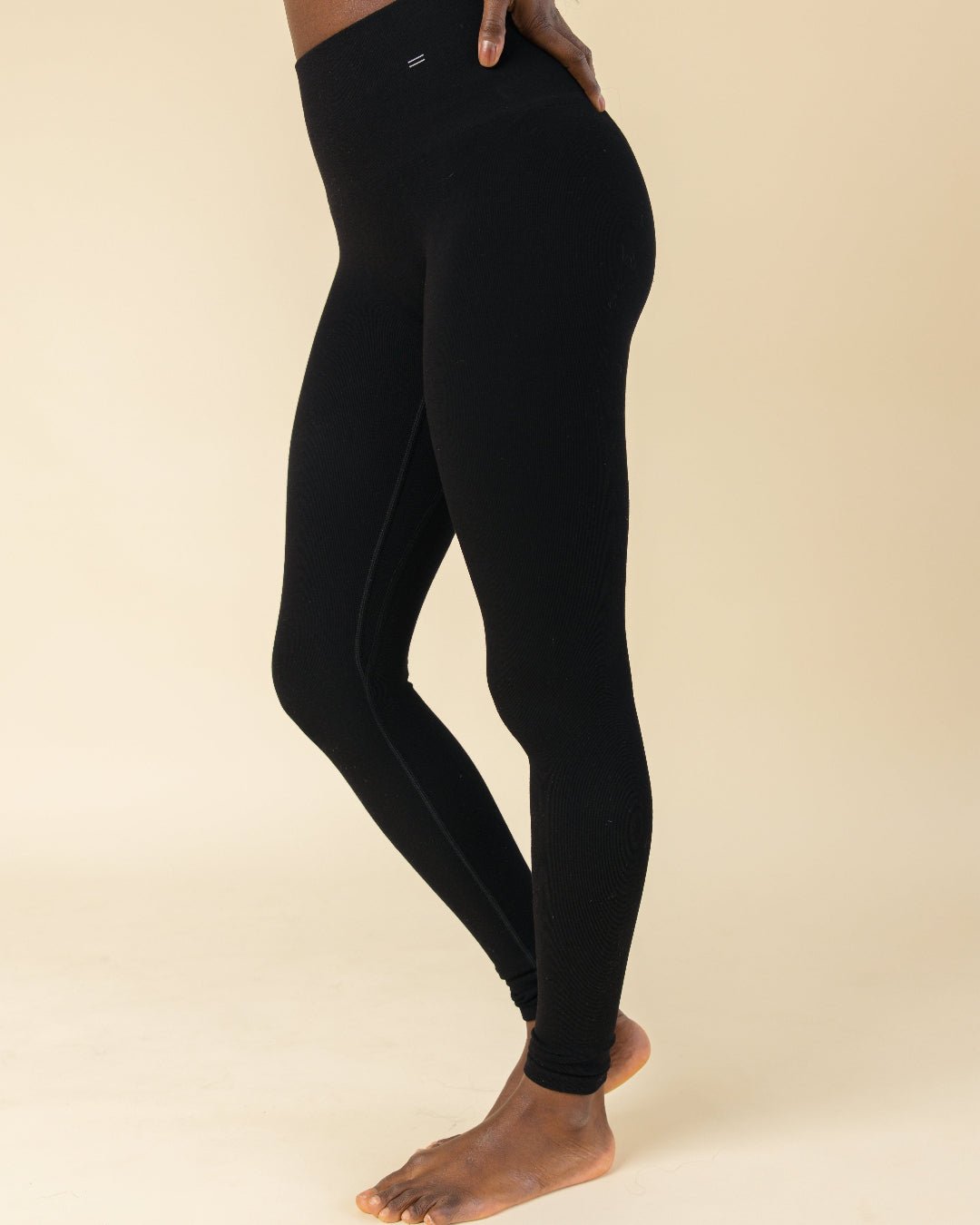
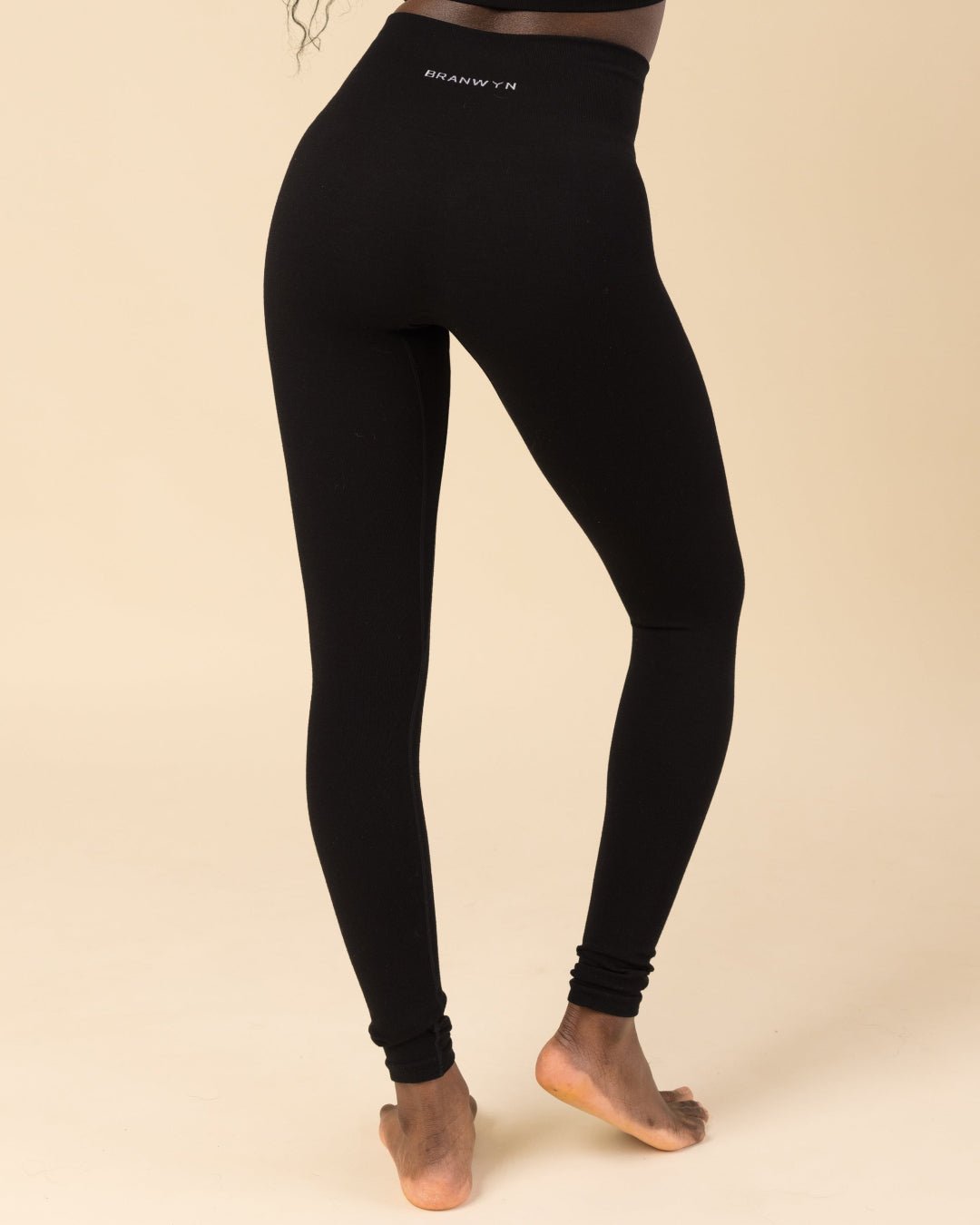
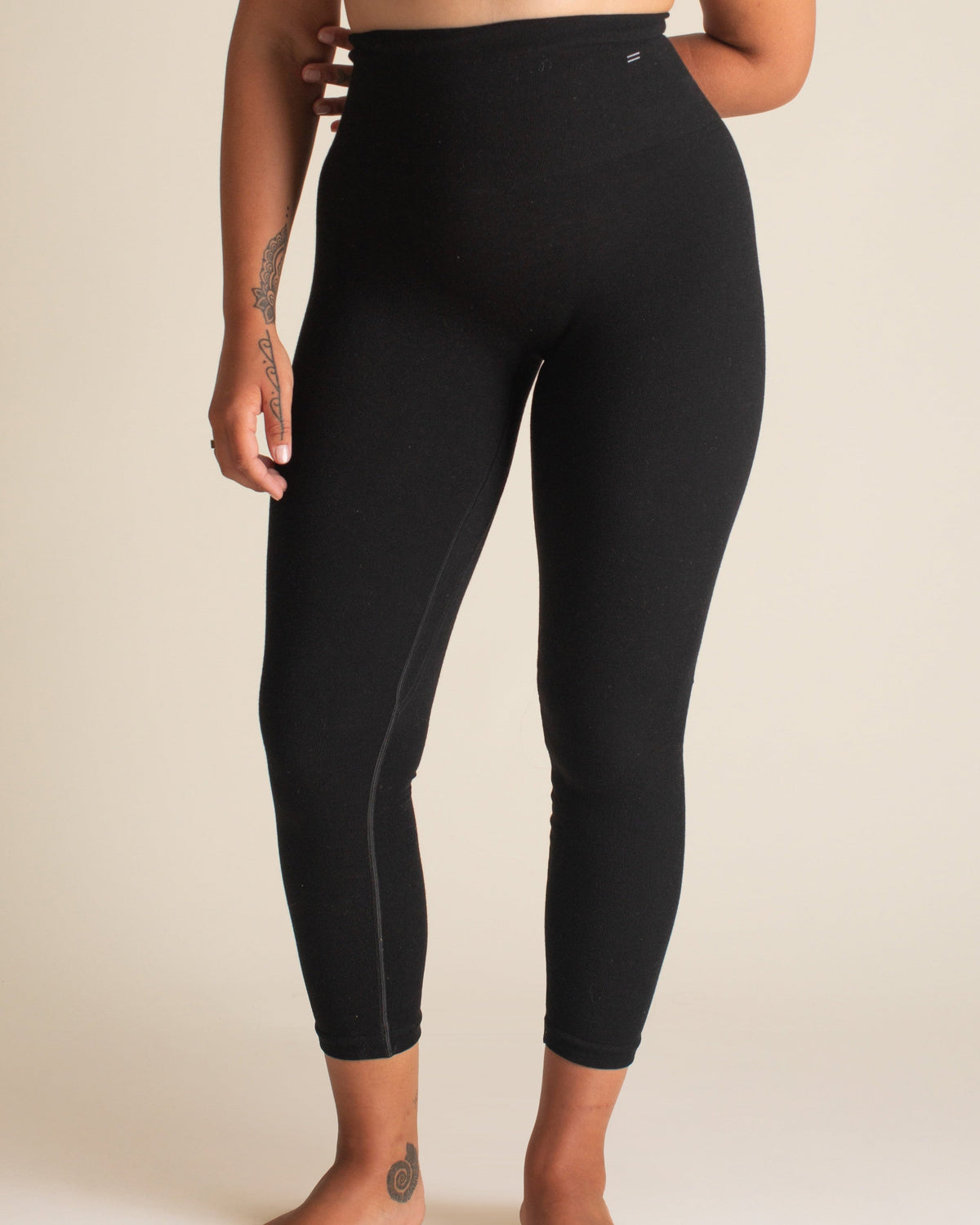
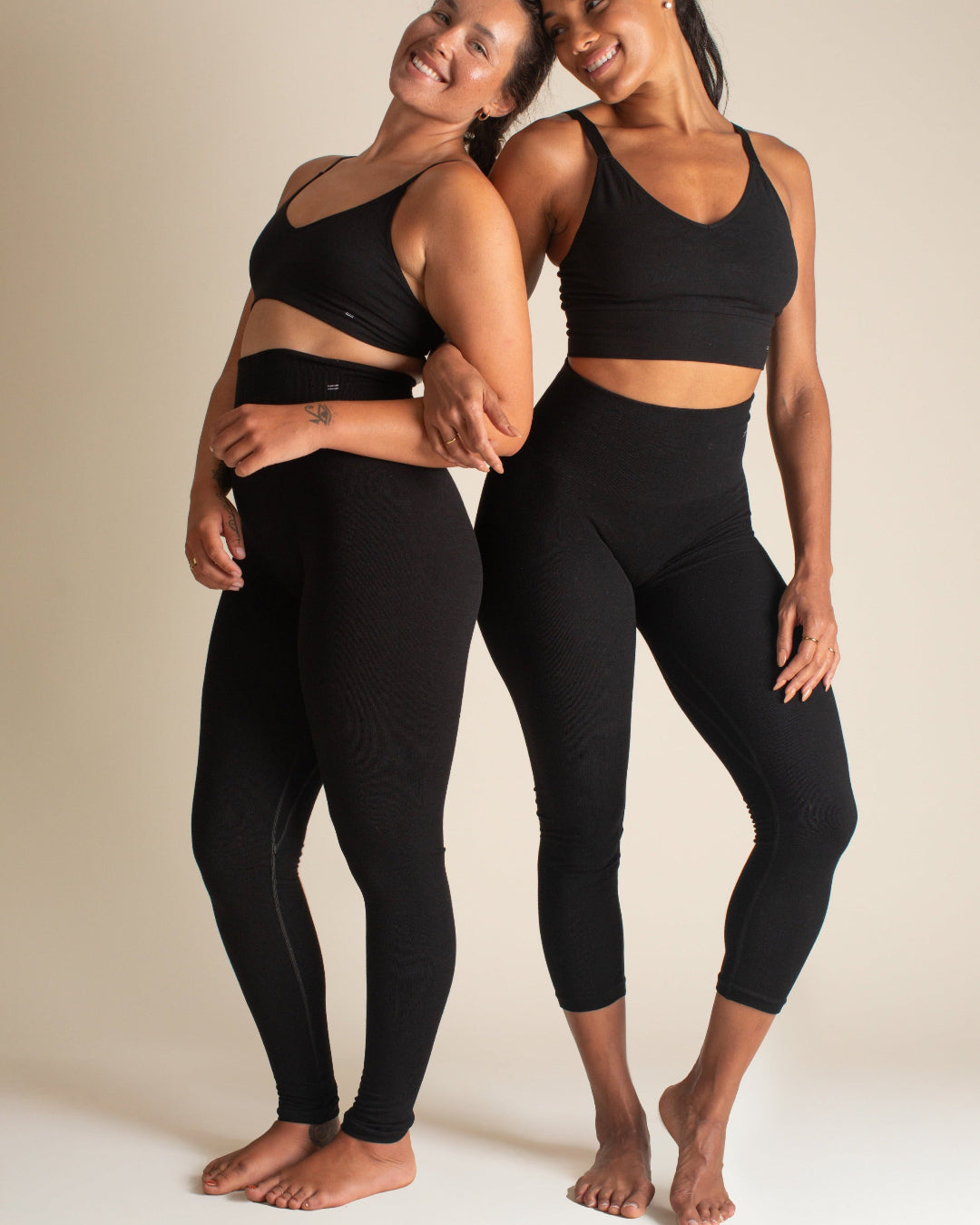
At BRANWYN, we are honored and proud to follow in the footsteps of women’s gear pioneers like McCoy, and have been inspired by this body-first approach to design in creating our seamless Merino wool Performance Innerwear. Here’s how we think about designing from the inside out, and why we think that perspective is important in the outdoor industry.

What Is Inside-Out Design?
Most outdoor gear is designed to defend against the elements. Think of a waterproof shell that blocks wind and rain, or a steel-plate hiking boot to protect your feet from roots and rocks. Inside-out design flips this thinking. Instead of shielding the body from external forces, it seeks to amplify the body’s inherent ability to perform at its best.
“At our core, what we think about is how to create products that are healthy for women,” says BRANWYN CEO Deanne Buck. That intention informs our choice to create underwear, bras, and apparel exclusively out of Merino wool, a natural fiber that helps regulate body temperature, manage moisture, neutralize odor, and more. “For us, Merino wool is the baseline for building a product from the inside out,” she says.
It also means recognizing that the true beginning of a woman’s layering system is closer to the skin than the outdoor industry has traditionally acknowledged. Search for a base layer, and you’ll likely find shirts. But those pieces aren’t actually the first layer most women put on.

“Our bra is the original base layer,” Buck says. “For women, the first thing is a bra. That, to me, is a huge mind shift around how our clothes can support us.” When a garment sits directly against the body all day, its ability to manage moisture, temperature, movement, and comfort affects every layer that comes after it.
McCoy came to a similar conclusion while developing technical apparel. Outer shells were steadily improving, but she saw the greatest opportunity closer to the body. “The outside is effectively a shell for wind and snow,” she says. “But the rest of it is where the action is.”
The layers underneath must do more than provide warmth. They need to help the wearer adapt as her activity level and environment change. “How are you controlling moisture? How are you controlling temperature? How are you venting besides just layering?” McCoy asks. “All that goes into building a system, which happens to be your clothes.”

Getting It Right for Women
For decades, women’s outdoor gear was often approached as a smaller version of equipment originally made for men, a "shrink it and pink it” technique. But getting the fit right involves far more than scaling down measurements or changing colors. It requires studying how women’s bodies differ from men’s bodies—and how widely women’s bodies differ from one another.
McCoy saw those distinctions firsthand as the industry began developing more technical products for women. A backpack, for example, must account for the often-greater difference between a woman’s waist and hips. “The span of how different that can be is huge for women,” she says. Designers were only beginning to ask how equipment could accommodate that range rather than forcing women to adapt to products that had never considered them.
The same challenge is particularly evident in bras. “Female anatomy is so unique and different,” Buck says. “Every person has a completely different need and a completely different experience.” Beyond the wide ranges of band size and breast size, there’s breast shape, breast density, and just personal preference. You might love sturdy underwire, while your friend barely ever wears a bra—and everything in between.
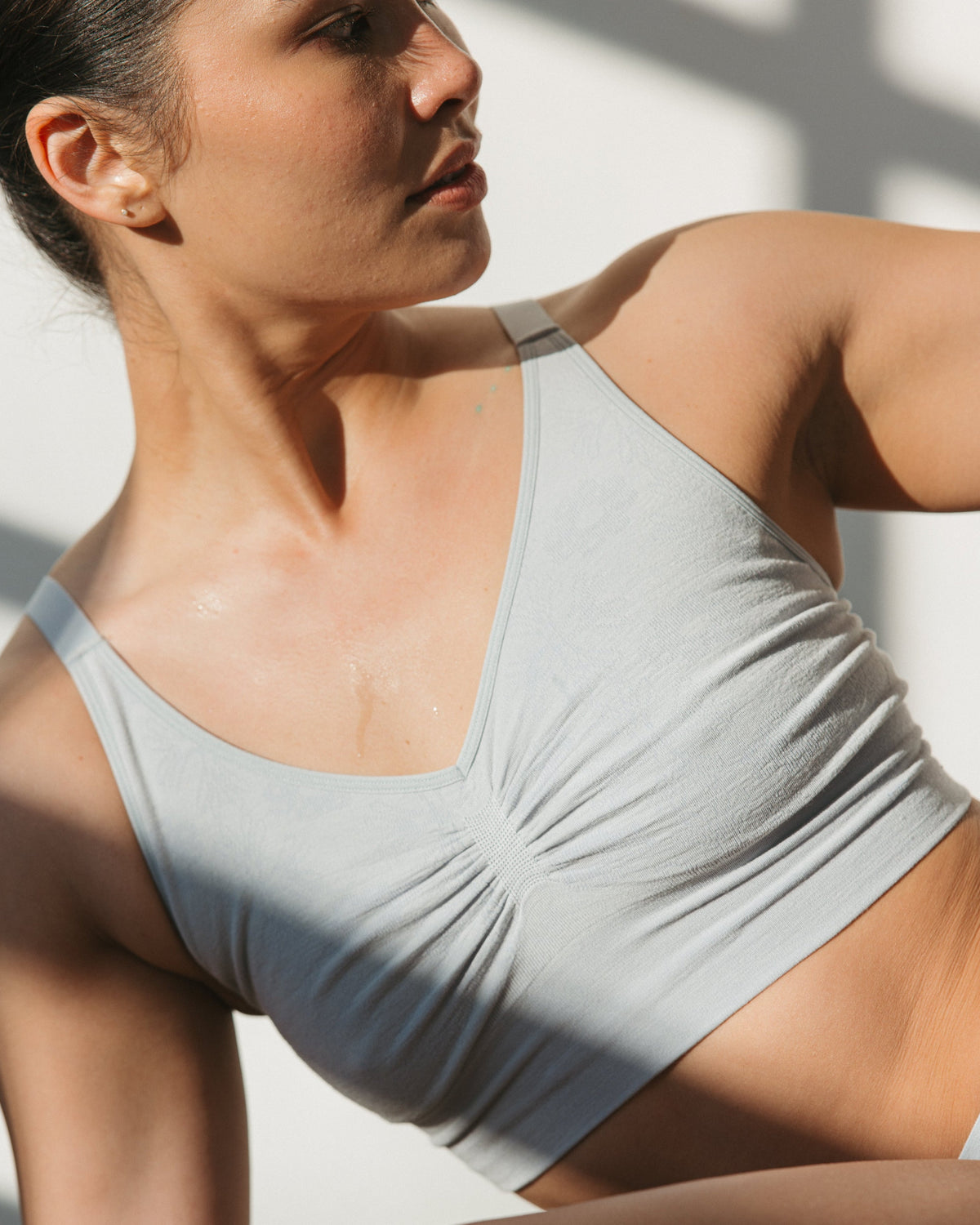
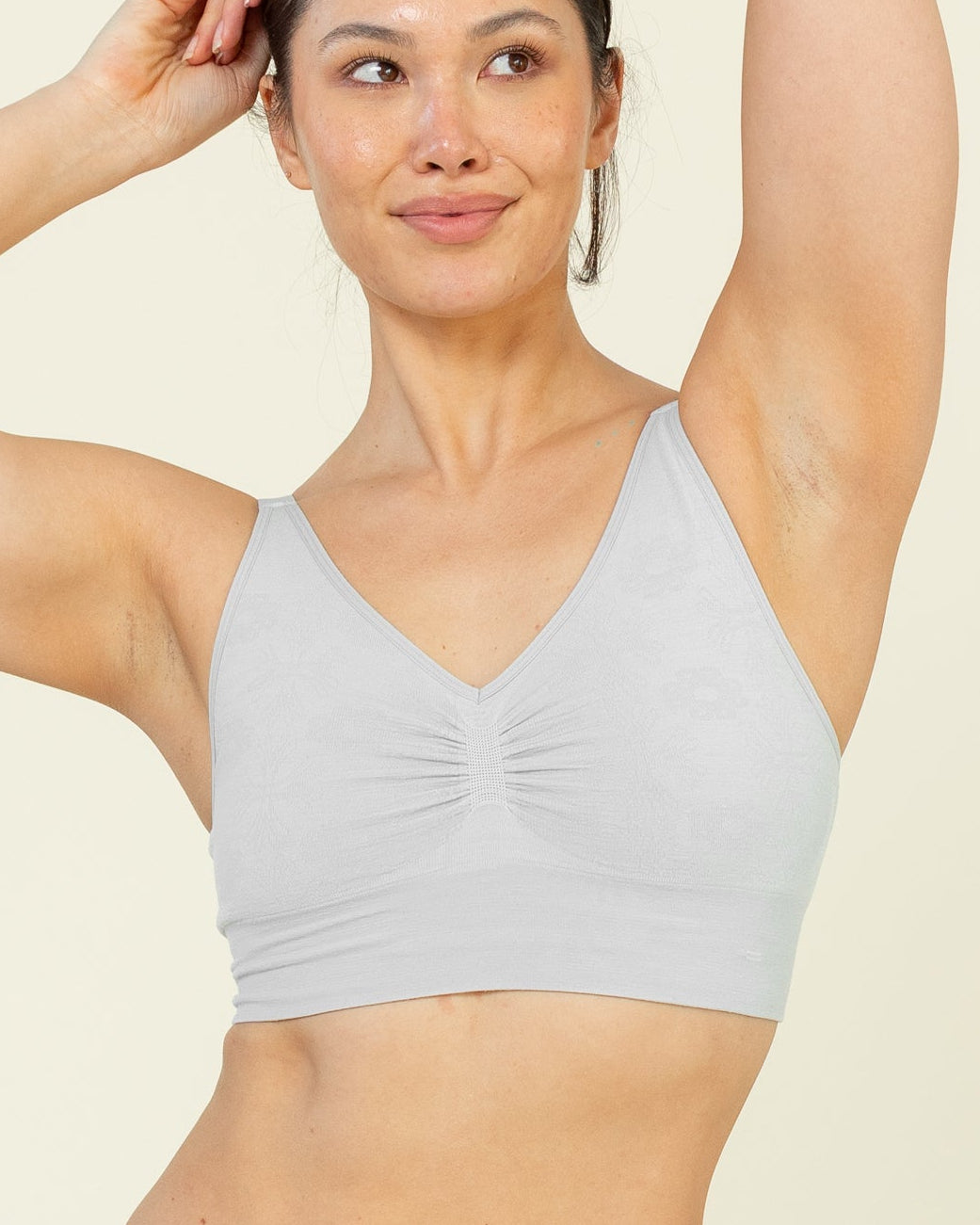
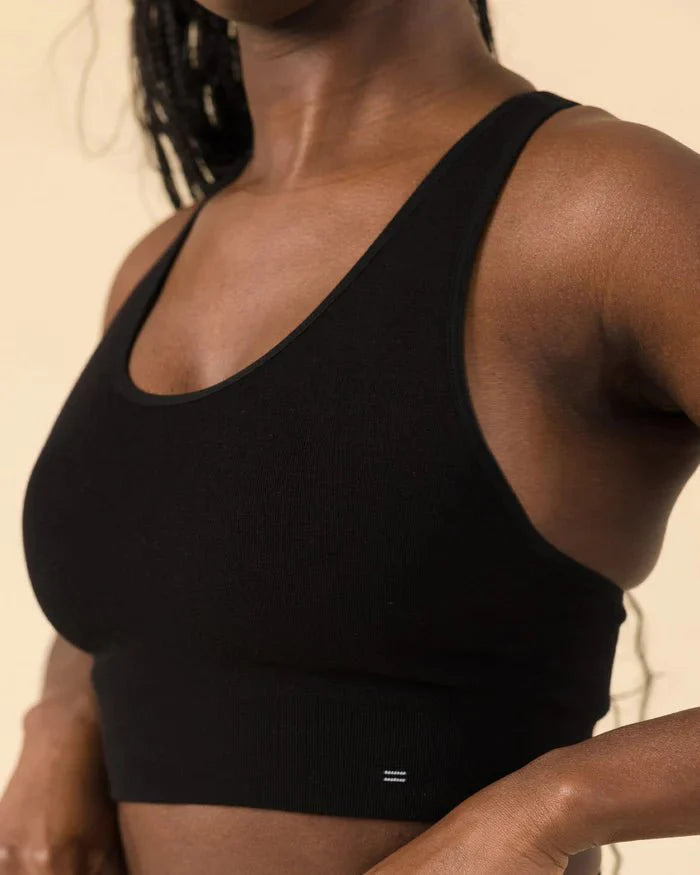
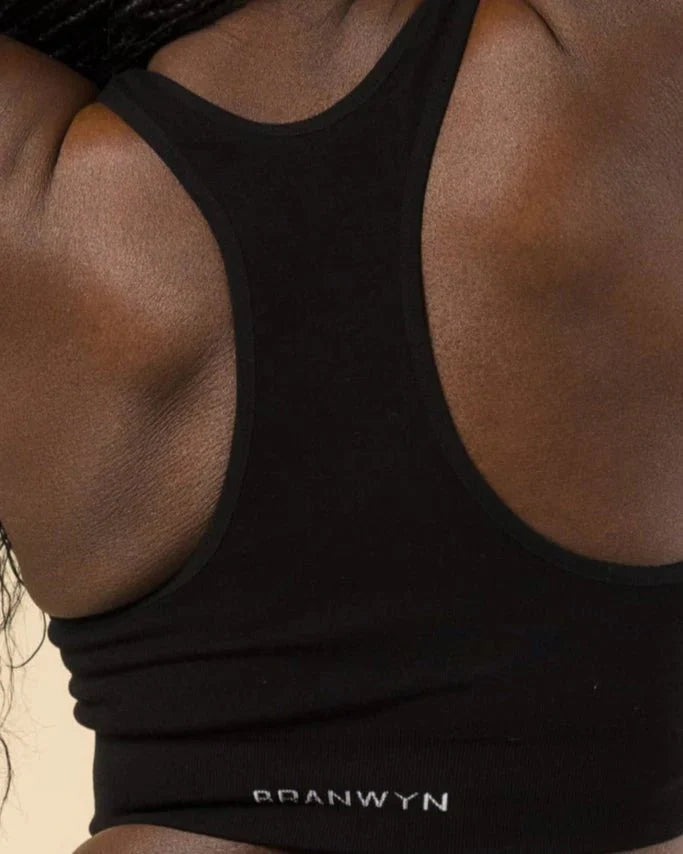
For BRANWYN, the goal is to serve as many of those needs as possible within the capabilities of seamless knitting and Merino wool. Our first bra design, The Essential Bralette, established the foundation: wire-free, lightweight support that can feel almost like wearing nothing while still performing through movement, sweat, and long days. The Essential Busty Bra came next to accommodate larger breast sizes and women who wanted more coverage, while The Essential Racerback followed for those looking for a thicker fabric and a sports bra feel.
Community feedback then helped reveal where the designs could go next. For some women, compression without separation could allow heat and moisture to collect between the breasts, leading to discomfort and even yeast infections. BRANWYN spent roughly two years developing and refining a seamless knit detail that could provide separation while preserving what women already loved about our existing bras.
“It really was trial and error,” Buck says. “How do we keep everything that we have in the Busty Bra and the Bralette, but add separation to that?” The resulting design, The Essential Supreme Bra, was not created simply to add another style to the assortment. It came from listening to women, identifying a specific unmet need, and patiently working within the material and construction until the solution felt right. In other words, designing from the inside out.

That process continues. “We’ll continue to develop new products based on feedback,” Buck says. “There’s this opportunity to look and ask: How do women live their lives, and how can we integrate more into that?” The aim is to consider the many ways women move through a day and make pieces that can support them from one part of it to the next.
McCoy agrees, and says at the end of the day, “I just never wanted to make junk.” Throughout her career, she sought to create pieces that were effectively “heirloom products”—apparel and gear that could be multi-functional and have a lifespan that respects a woman's investment.
That philosophy pushes back against the idea that new means better. It favors versatile pieces that can move among settings, activities, and stages of life. For BRANWYN, durability and versatility are part of performance: Innerwear should be capable of carrying a woman through a workout, a workday, a long flight, or a weekend outside—and doing that over and over again.

Why Seamless Merino Wool Matters
Merino wool and seamless knitting bring the inside-out philosophy together: one starts with a fiber inherently suited to a living, breathing body, while the other allows a garment to support a woman's shape with few points of potential irritation.
“Merino wool is an active fiber because it comes from an active animal,” Buck explains. “By its nature, it is created to protect an animal from the environment.” Merino wool can help the body manage changing conditions. For Buck, the relationship feels intuitive. “Our bodies are very intelligent,” she says. “Merino wool is hair, so it’s amplifying what our body already knows and what it does to take care of itself.”
Seamless construction complements those properties by changing how the garment meets the body. Rather than cutting pieces from finished fabric and stitching them together, seamless technology knits the garment and fabric at the same time.
“There are no hot points and no points of friction,” Buck says. “That seems so obvious, but I think we’ve lived with seams and being uncomfortable for so long that sometimes it seems we’ve started to think it’s just part of wearing clothes.”
By beginning with fibers that respond to the body in shapes designed for women’s actual anatomy, seamless Merino wool Performance Innerwear is more than something worn beneath protective outdoor gear. It is the first, and arguably most foundational, part of the system to keep us performing at our best. It also helps reshape the conversation about how clothes should feel for women. McCoy says that women have been conditioned to accept apparel that is uncomfortable for so long, it's hard to imagine a future where every piece is working with your body’s incredible design rather than against it. “I think there's still an opportunity in women's products to absolutely speak the truth around what is comfort,” she says.
We want to know: what do you look for when you decide to purchase a piece of outdoor or activewear clothing? Please let us know anytime! We love to hear from you. Reach out at info@branwyn.com or on Instagram @branwynofficial.